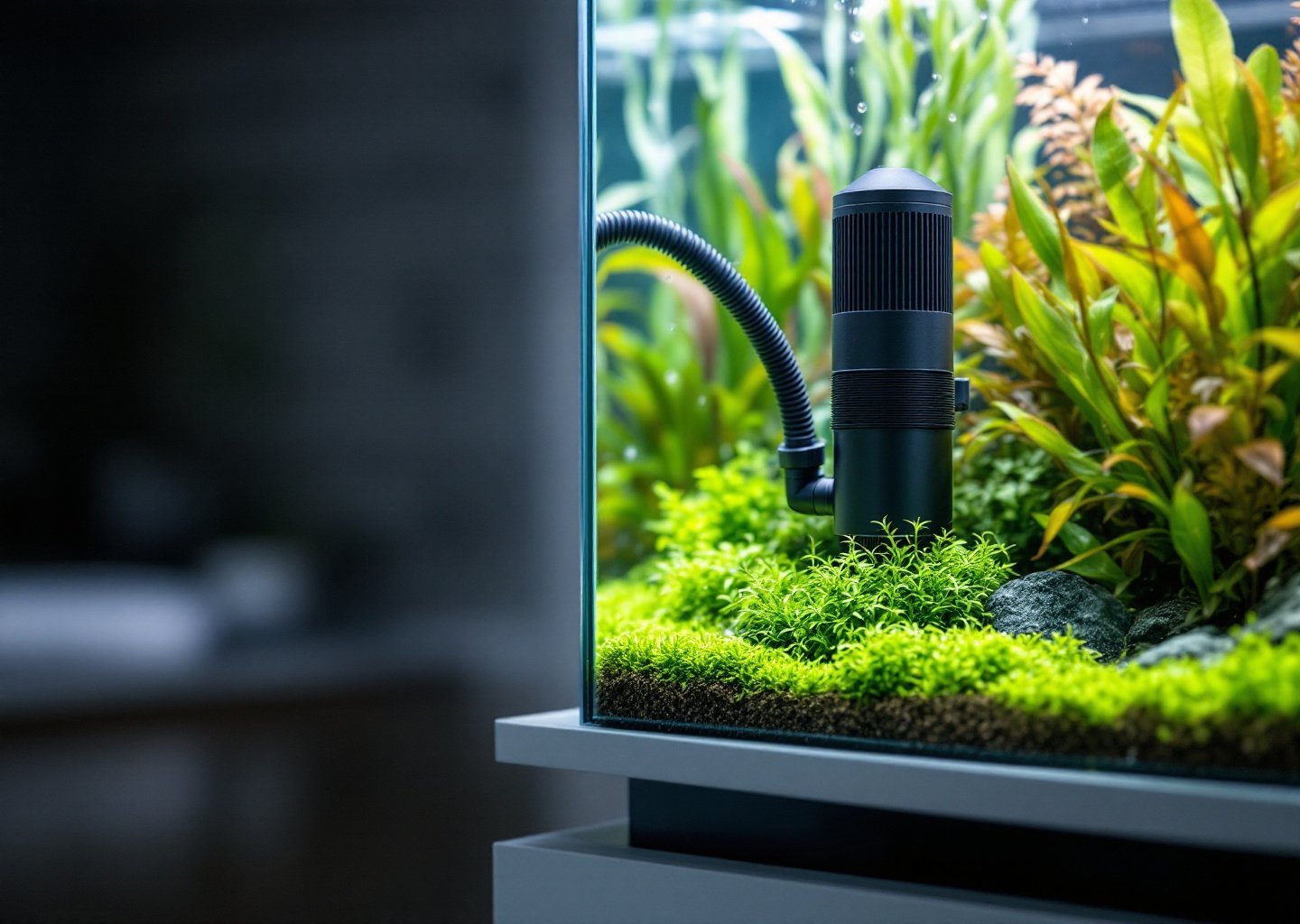
Eight Months With the Fluval 307: Real Data From Someone Who Actually Tracked Performance
Eight months ago, I pulled the trigger on a Fluval 307 for my 65-gallon planted tank. Not because I trusted the manufacturer’s marketing (I’ve been burned before), but because my old HOB filter was turning my Monte Carlo carpet into a windswept prairie. What I didn’t expect was how much I’d learn by actually tracking this thing’s performance week after week.
Here’s what bugs me about most filter reviews: someone unboxes a canister filter, runs it for two weeks, declares it “whisper quiet” and “powerful,” then moves on. That tells you nothing about real-world performance. Does the flow rate tank after three months? Does that “silent operation” develop an annoying rattle once the motor breaks in? Will the gaskets hold up, or will you wake up to a flooded apartment?
Real answers. That’s what I wanted.
So I kept a spreadsheet. Yeah, I’m that person now. Flow rate measurements got tracked monthly, decibel readings recorded in different conditions, maintenance intervals logged, and media condition photographed over time. This Fluval 307 canister filter review is the result of that obsession, and I’m sharing every finding, including the stuff Fluval definitely won’t put on the box.
Whether you’re considering the 307 for a 70-gallon setup or debating the Fluval 307 vs. 407 comparison, stick around. I’ve got data, opinions, and probably too many photos of dirty filter media.
Unboxing to Running: The Fluval 307 Setup and Priming Reality Check
Let’s talk about getting this thing going, because the Fluval 307 setup and priming guide in the manual makes it sound easier than it actually is.
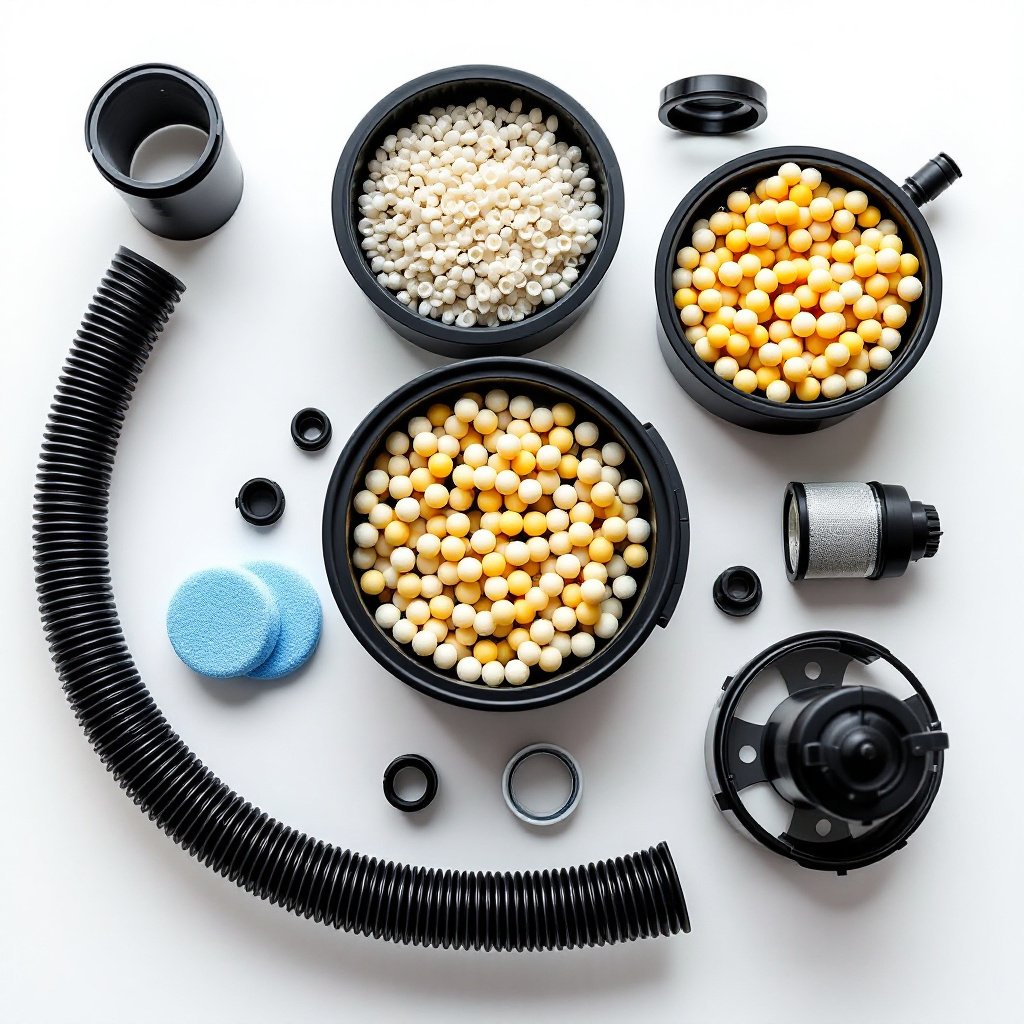
Out of the box, you get the canister, three media baskets, ribbed hosing, intake and output assemblies, the AquaStop valve system, and pre-loaded media (foam pads, carbon, and BioMax rings). Build quality feels solid. Those latches are chunky plastic, but they lock down with a satisfying click.
Now, priming. Fluval’s instructions say to fill the canister, close it up, connect the hoses, and use their “instant prime” system. In theory, you press a button, it creates suction, and water flows.
In practice? Nothing happened on my first attempt. Zero flow. I sat there pressing that primer button like it owed me money.
Here’s what the manual doesn’t emphasize enough: you need to tip the canister slightly while priming to release trapped air pockets. If you want to know how to prime a Fluval 307 canister filter without frustration, here’s my method:
- Fill the canister about 75% with tank water before closing
- Connect the intake hose first, and let water gravity-feed in
- Tip the canister toward you at a 30-degree angle while pressing the primer
- Keep pressing until you hear water gurgling through the output
- Plug it in and expect some spitting for the first 30 seconds
Three tries and a YouTube rabbit hole later, I finally figured this out. Once running, though, it just works. Motor kicked on immediately, flow stabilized within a minute, and no leaks appeared. Small victories.
Flow Rate Truth: GPH Measurements Over Time vs. Fluval’s Claims
Fluval advertises the 307 at 303 GPH. That number is technically accurate, in a laboratory setting with zero media and brand-new impellers. In the real world? Different story.
Output measurements came from a flow meter attachment at the spray bar. Here’s what I recorded:
Month 1: 285 GPH (fresh install, all media loaded)
Month 3: 268 GPH
Month 5: 241 GPH
Month 8: 252 GPH (after full maintenance)
So the Fluval 307 flow rate in gallons per hour realistically hovers around 250–280 GPH when loaded with typical planted tank media. Still solid turnover for anything under 75 gallons, but it’s about 15–20% lower than advertised.
That dip at month five? Rookie mistake. I’d let the pre-filter sponge get too clogged. After a thorough cleaning, flow bounced back to respectable levels.
For context, if you’re wondering about Fluval 307 real-world performance in large aquariums, it handles 50–75 gallon tanks comfortably. Push it beyond that, and you’ll probably want to consider the 407 or add a supplemental filter.
Answering the Noise Question: Decibel Readings and What Actually Causes Rattling
“Is the Fluval 307 quiet?” This question pops up constantly, and the answer is: yes, usually, with caveats.
Decibel readings came from my phone’s sound meter (not laboratory-grade, but consistent enough for comparison).
Baseline room noise: 32 dB
Fluval 307 during normal operation: 35–37 dB
Fluval 307 with air trapped: 42–45 dB
At 35–37 decibels, you genuinely can’t hear this thing unless you’re standing next to the tank in a silent room. It’s quieter than my refrigerator hum. Fluval 307 noise level and quiet operation claims are legit under normal circumstances.
But here’s where people get into trouble. That 42–45 dB reading? That’s the dreaded rattle, and it’s almost always caused by one of three things:
- Air bubbles trapped in the impeller housing
- Canister not sitting perfectly level
- Impeller magnet vibrating against worn bearings
Easy fixes exist for the first two issues. Burp the system by tipping the canister or running a chopstick through the intake to release bubbles. Check that your canister stand is level.
That third issue is why some people report their 307 getting noisier over time. If you’re wondering how quiet the Fluval 307 is during operation after a year or two, the honest answer is: probably slightly louder than day one. Bearings wear. It’s physics. But mine at eight months is still functionally silent.
Fluval 307 vs. 407: Why Bigger Isn’t Always Better
This decision haunted me for weeks before buying. Greater power and capacity come with the 407’s 383 GPH rating and 100-gallon handling. So why didn’t I go bigger?
A few reasons, and they might apply to you too.
Physical footprint matters. My apartment tank stand barely fits the 307. That larger 407 canister would’ve required rearranging furniture. Sometimes the best canister filter for a 70-gallon tank isn’t the beefiest option, especially if you can’t actually fit it under your stand.
Flow rate considerations for planted tanks. More GPH isn’t always better when you’re growing delicate stem plants or maintaining a carpet. Strong current from my previous setup was destroying my Monte Carlo. Adjustable output plus a spray bar on the 307 gives me gentler, distributed flow that keeps plants happy without creating a hurricane.
Price difference. The 407 runs about $50–60 more. That’s money I’d rather spend on quality hardscape or CO2 system options for planted tanks.
Really, the Fluval 307 vs. 407 comparison comes down to tank size and flow preferences. Tanks 75+ gallons with moderate to heavy bioload benefit from the 407. Planted tanks under 75 gallons where you want filtration without excessive turbulence? The 307 hits a sweet spot.
What’s Actually in My Media Baskets: Custom Setup for Crystal-Clear Water

Stock media is fine for a general community tank. But if you’re asking whether the Fluval 307 is worth it for planted aquarium setups, the answer depends heavily on how you customize those three baskets.
Here’s my current configuration from bottom to top:
Bottom basket: Seachem Matrix (biological media for the heavy lifting)
Middle basket: Fluval BioMax rings + ceramic rings (more bio-media surface area)
Top basket: Coarse sponge, Purigen bag, fine polish pad
Carbon got ditched entirely. Regular water changes in planted tanks make carbon pointless, and it just removes the fertilizers I’m paying for. Purigen is magic for water clarity, though. Seriously, my water looks like it’s not even there.
Best media for a Fluval 307 planted tank setup prioritizes biological filtration over chemical. Healthy bacteria colonies matter more than activated carbon when you’re running CO2 and dosing ferts.
One trick I’ve learned: rinse your mechanical media in old tank water during water changes, but leave the biological media alone unless it’s genuinely clogged. Your bacteria colonies will thank you.
Maintenance Schedule: How Often I Actually Clean It (With Photo Evidence)
Fluval recommends monthly maintenance. In practice, here’s what I actually do:
Every 2 weeks: Rinse the pre-filter sponge on the intake strainer. Takes 30 seconds.
Every 6–8 weeks: Open the canister, rinse mechanical media, and check for gunk buildup. This is when glamour shots of brown filter pads happen for the ‘gram (just kidding, it’s for this review).
Every 4–5 months: Deep clean, replace fine polish pads, regenerate Purigen, and inspect impeller and gaskets.
At six months, here’s my Fluval 307 long-term review takeaway: this filter is forgiving. Eight weeks have passed without opening the canister, and the flow rate barely suffered. Debris gets caught in stages rather than everything clogging at once, thanks to the three-basket system.
That gasket seal has held perfectly. No leaks, no drying out. During maintenance I do wipe it with a damp cloth just to keep the rubber supple.
After eight months of tracking, measuring, and occasionally cursing at trapped air bubbles, here’s where I land.
Genuinely good. Flow rate meets expectations once you account for real-world media loading. Noise levels are excellent unless you neglect basic maintenance. Build quality holds up. AquaStop valves make water changes and filter maintenance almost pleasant.
But not perfect. Priming out of the box is fiddly. You’ll need patience. Advertised GPH is optimistic by about 20%. And yes, the price tag stings compared to budget alternatives.
Who should buy it:
– Planted tank keepers with 40–75 gallon setups
– Anyone who values quiet operation (apartment dwellers, bedroom tanks)
– Hobbyists willing to customize media for their specific needs
Who should skip it:
– Budget-conscious beginners who might do better starting with a quality HOB
– Tanks over 90 gallons (get the 407 or pair two filters)
– Anyone who hates any maintenance whatsoever (canisters require more work than internal filters)
Worth the investment? Absolutely, in my case. Plants are thriving now. Water stays crystal clear between maintenance, and sleeping in the same room as my tank happens without any motor noise waking me up. Isn’t that the real test?
If you’re still on the fence, consider what you’re upgrading from and what problems you’re trying to solve. Poor tank maintenance habits won’t be fixed by the 307, but good habits become easier to maintain. And honestly, that’s the best you can ask from any piece of aquarium equipment.