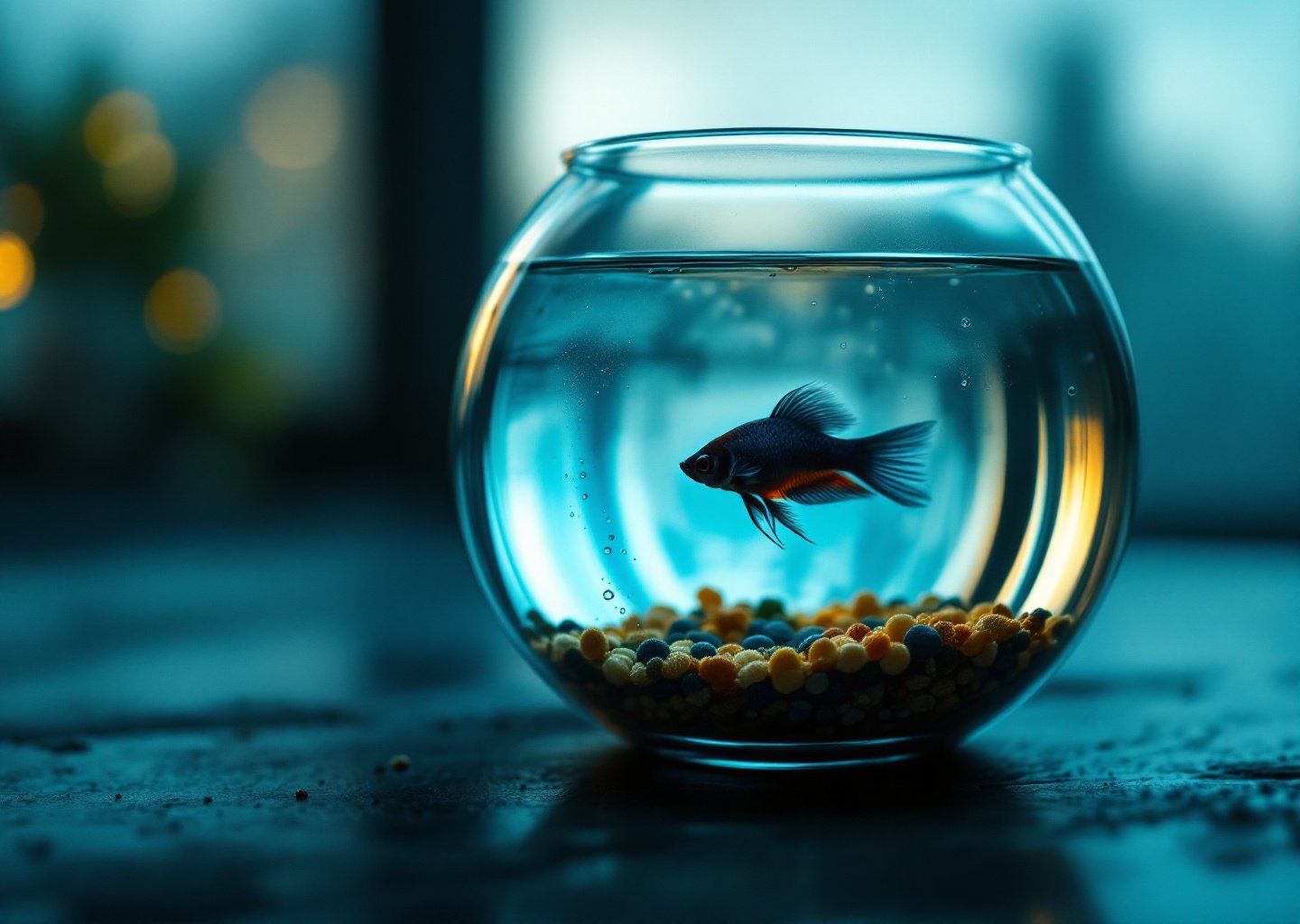
Why Your Fish Keep Dying (And How I Finally Stopped Killing Mine)
I still wince when I think about Gerald, my very first betta, floating at the top of his bowl like a tragic warning sign. If you’ve ever Googled “why do my fish keep dying in my tank” at 2 AM with watery eyes and a sinking stomach, trust me. I’ve been there. And since common aquarium mistakes that kill fish are usually completely avoidable, I want my failures to save yours.
Fish were supposed to be easy. Drop them in water, feed them, admire their cute faces. Turns out, I was wrong in about twelve different ways. What years of trial and error taught me is that most beginner aquarium setup mistakes to avoid are invisible. You can’t see ammonia. You can’t see a stalled nitrogen cycle. You can’t see the way stress quietly chips away at a fish until it gives up.
So here’s my honest timeline of how I accidentally created a tiny underwater disaster zone, how those mistakes played out, and how I eventually learned how to keep fish alive for beginners without constant panic Googling.
Mistake 1: Trusting the 24-Hour Water Sitting Myth
When Gerald came home with me, a coworker said to just let tap water sit out overnight. Apparently, that made it safe. I took that advice like it was gospel. Portland tap water smells fresh, so it must be fine, right?
It wasn’t.
Letting water sit for 24 hours only removes chlorine, and that’s if your city uses chlorine at all. Mine uses chloramine, which doesn’t evaporate. That meant Gerald got a nice bath in chemical water. He survived a few days, which made me think he was doing fine. But I’d started the clock on new tank syndrome without knowing it.
Here’s the thing: this is one of the biggest common aquarium mistakes that kill fish. Water conditioner exists for a reason. Someone really should have told me that before Gerald met his doom.
Mistake 2: Skipping the Nitrogen Cycle, the Invisible Killer
Beneficial bacteria weren’t even on my radar. Not in bowls, not in tanks, not anywhere. My entire understanding was clean water equals good water. That magical thinking cost me my first fish.
A tank that isn’t cycled behaves like a sink with a clogged drain. Waste piles up, ammonia spikes, and you get a deadly soup that looks sparkling clean. “New fish tank fish dying first week” situations almost always point back to this.
And yes, I was that person who posted on a forum asking, “Why are my fish dying one by one?” like some tank-specific supernatural curse was happening. Spoiler: it was ammonia.
Mistake 3: Adding Too Many Fish at Once
After upgrading from the bowl to my first 10-gallon, I felt unstoppable. So I did what every excited newbie does. I bought a whole group of fish because the tank looked empty.
Seven small fish, all at once, in an uncycled tank.
Ammonia surged. Nitrite followed. Basically, I created a chemical rollercoaster. Within a week, I had fish dying after adding new fish like clockwork. I blamed everything except the real cause: my rushed stocking.
Ever wondered why your fish are dying one by one in a brand new setup? This is probably why.
Mistake 4: Ignoring Early Signs of Ammonia Poisoning
The fish were gasping at the surface and darting around like they were being constantly startled. I thought they were just energetic.
Nope. Those were early signs of ammonia poisoning in fish.
Other clues I completely missed:
– Red or inflamed gills
– Lethargy mixed with random bursts of panic swimming
– Loss of appetite
– Hanging near the filter output like it’s a life raft
Looking back, the tank was screaming for help. I just didn’t speak the language yet.
Mistake 5: Panic Water Changes That Made Everything Worse
The first time a fish started struggling, I did what I assumed was the heroic thing. A gigantic water change.
Temperature wasn’t matched. Dechlorination wasn’t done correctly. And the concept that you can shock already stressed fish with swings in parameters? Completely foreign to me.
There was absolutely no plan for how to reduce ammonia in a fish tank fast without destabilizing things even more.
Panic made the situation worse. Several times.
Mistake 6: Trusting Pet Store Experts Over Test Results
Look, I’m not here to bash pet store employees. Some truly knowledgeable ones exist out there. But I’ve also met the type who waves a hand and says, “Your water looks fine.”
One time, an employee told me I could add new fish the same day because my water was clear. If you’ve been in the hobby longer than six minutes, you know clear water means nothing.
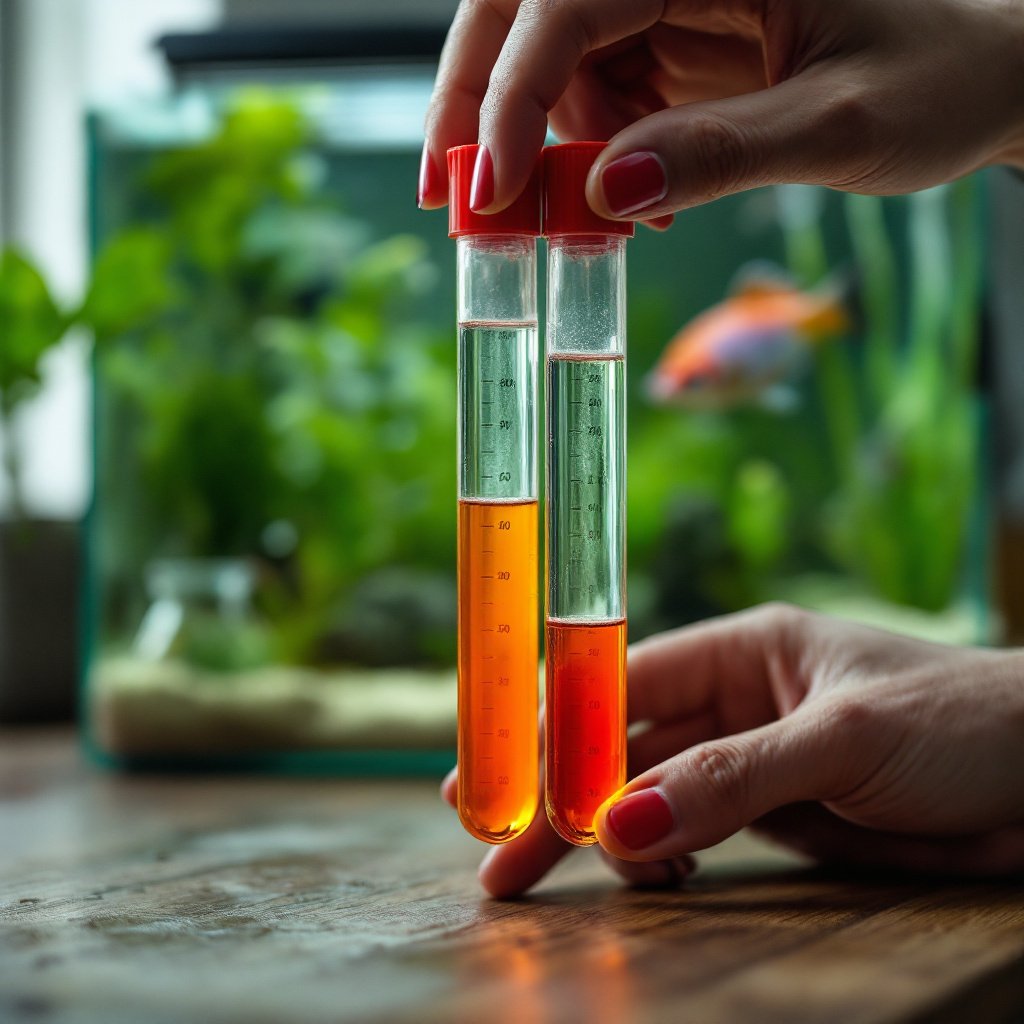
Trust your test kit. Liquid tests, not strips. Strips are like reading your horoscope for water parameters. Fun but unreliable.
Fish tank cycling mistakes new aquarists make often stem from trusting reassurance over readings. Did I fall for this repeatedly? Absolutely.
Mistake 7: Giving Up Too Soon Instead of Learning the Fix
There was a point where I genuinely believed I was cursed. Maybe fishkeeping just wasn’t for me. But quitting would have taught me nothing. And honestly, it would’ve wasted all the money I’d already spent on tanks scattered around my tiny apartment.
What finally changed things was this thought: fish aren’t actually fragile. They’re just victims of bad information.
Once the flailing stopped and actual learning started, everything clicked.
The Turnaround: How I Finally Cycled My Tank Properly
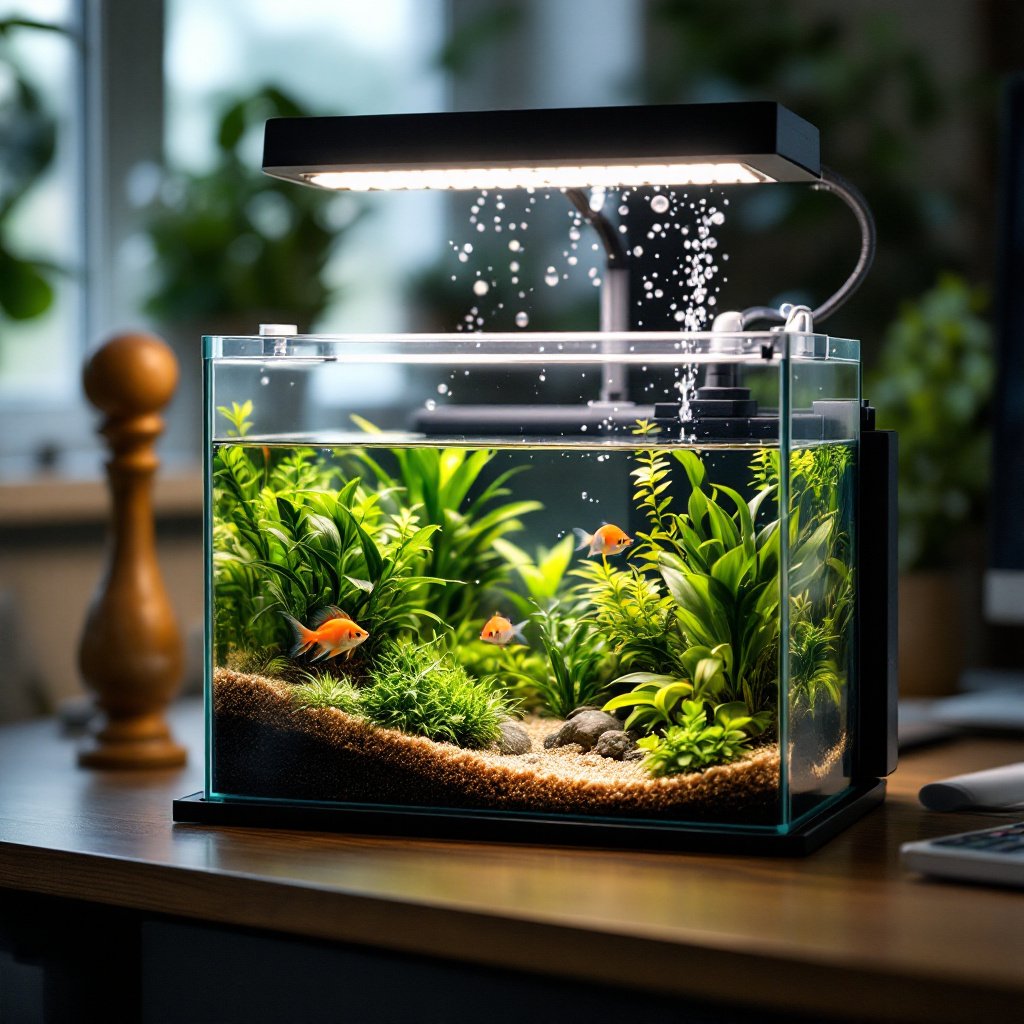
The day I decided to do this right, I set up my little 5-gallon the same way I would plan a new aquascape layout. Thoughtfully. Like a design problem that deserved real attention.
Here’s exactly how the cycling went, step by step.
Step 1: Set Up the Tank with Everything Running
Filter, heater, plants, substrate, hardscape. The environment needed to be stable before bacteria could flourish. No shortcuts this time.
Step 2: Add Bottled Ammonia
Just a tiny bit. Enough to bring levels to around 2 ppm. This gives the bacteria a food source so they can grow. You can find pure ammonia at hardware stores, but check the label for additives.
Step 3: Test Daily
Not obsessively, just consistently. Watching ammonia drop while nitrite climbed felt like seeing progress bars fill. Finally, a visual cue for a process that confused me for so long.
Step 4: Wait for Nitrite to Peak and Fall
This takes patience. Distraction helped, whether that meant trimming plants in another tank or hunting for better driftwood at thrift stores. Once nitrite hit zero, I could almost hear a choir singing.
Step 5: Confirm Nitrate Appears
This is the finish line. If nitrate is present, it means the cycle works. The first time those readings showed up on the test, I actually pumped my fist alone in my living room.
Step 6: Do a Big Water Change and Add Fish Slowly
Two at a time. Not seven. Testing happened daily for the next two weeks to make sure the cycle held steady. Patience isn’t glamorous, but neither is scooping dead fish out of your tank.
If you want a more detailed guide on how to cycle a fish tank properly, I’ll eventually write a full tutorial how to cycle a fish tank.
If your new fish are dying the first week and you’re asking “why do my fish keep dying in my tank” while holding a test strip that looks like abstract art, please hear me. You’re not cursed, and you’re not a bad fishkeeper.
You’re just like I was. Confused, overwhelmed, and misled by well-meaning but outdated advice.
Here’s the reality:
– Fish rarely die because they’re delicate.
– They die because the environment is unstable.
– You can fix that with patience and information.
Learn the cycle. Test your water. Add fish slowly. Pay attention to signs of unhealthy aquarium water before they snowball into tragedy.
Your tank can absolutely thrive. Mine did, and I started with a betta named Gerald who lived through every single one of the common aquarium mistakes that kill fish. If I can turn things around, anyone can.
Want to explore more beginner-friendly topics? Check out my other guides like beginner aquarium setup mistakes or how to keep fish alive for beginners.