
Six Months With the NICREW ClassicLED: Real PAR Data and Brutally Honest Plant Results
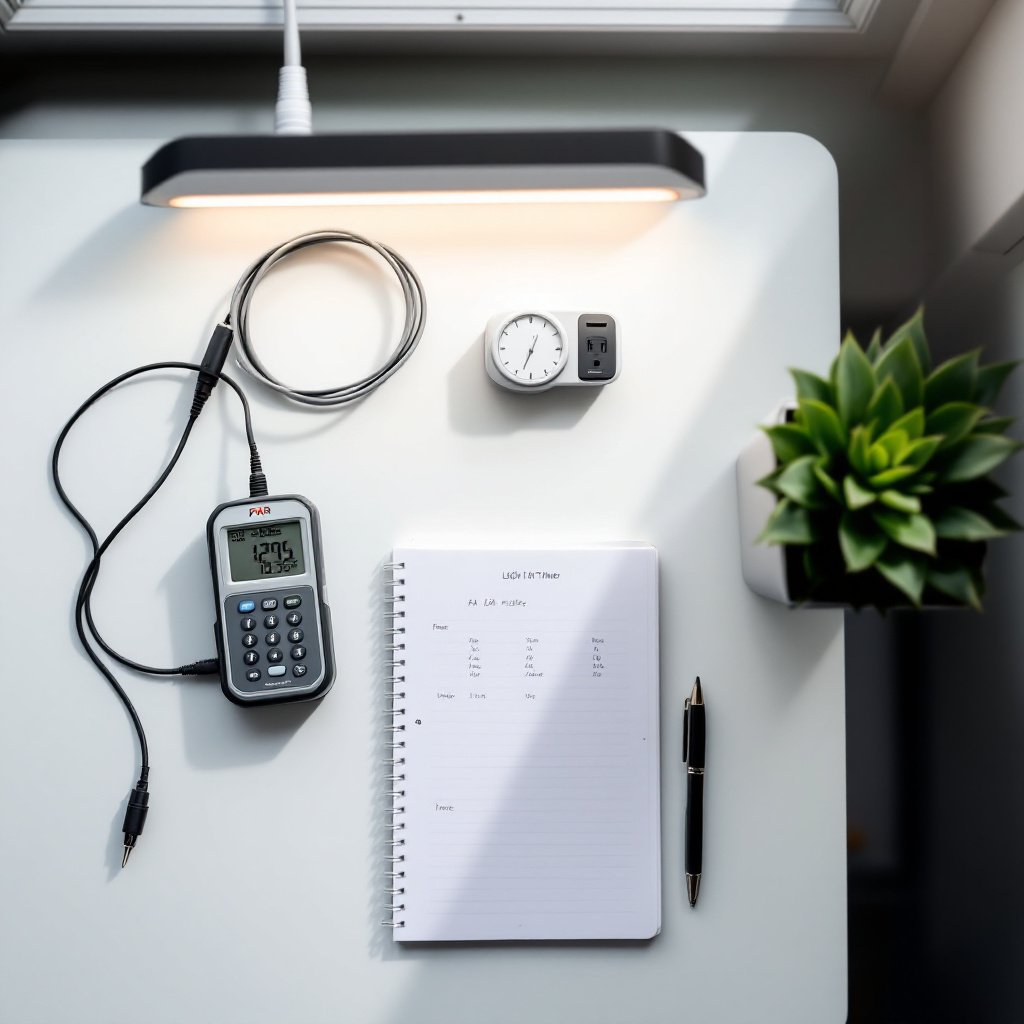
Six months ago, I made a decision that some aquarists might consider borderline reckless. I ignored the sea of Amazon reviews, the Reddit arguments, and the YouTube hot takes. Instead, I strapped a PAR meter to my arm and decided to let actual numbers tell me whether the NICREW ClassicLED deserves its reputation as a budget champion.
Here’s the thing about aquarium light reviews online: everyone’s measuring success differently. One person says their plants are “thriving” while showing leggy stem plants desperately reaching for the surface. Another claims a light is “too weak” but has their fixture sitting 18 inches above the water. PAR measurements don’t lie. They don’t have feelings about brand loyalty or buyer’s remorse.
When I started this NICREW ClassicLED aquarium light review, I had one goal: document everything with actual data. Every month, I took PAR readings at multiple depths. I photographed plant growth weekly. I tracked which species flourished and which ones gave up on life entirely. My graphic design background means I’m probably a little obsessive about documentation, but trust me, that obsession paid off here.
What I found genuinely surprised me. Some of the conventional wisdom about budget lights? Totally accurate. Other assumptions? Completely wrong. Here’s what the data showed.
The Numbers Don’t Lie: Actual PAR Measurements at Every Depth
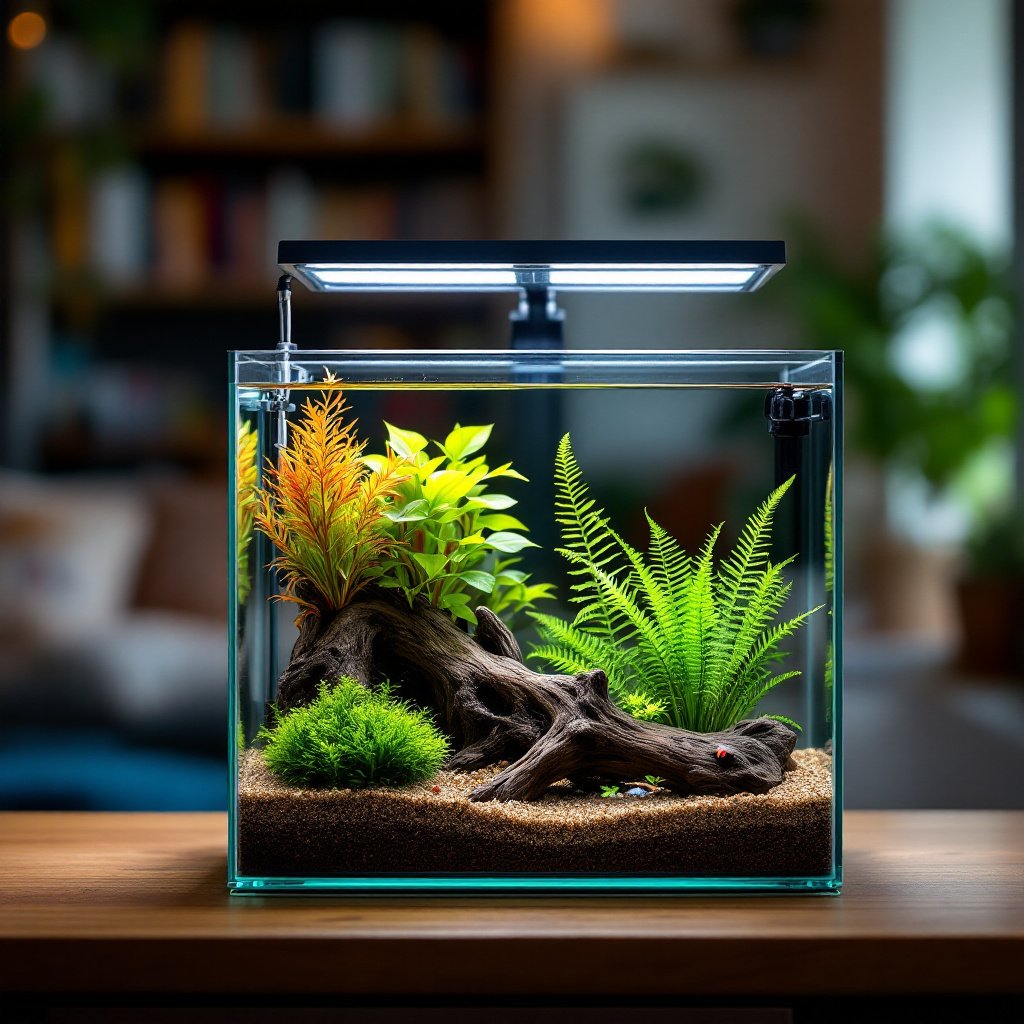
Before we go any further, let’s establish what we’re working with. I tested the NICREW ClassicLED Gen 2, specifically the 18 to 24 inch model, on my 20-gallon long tank with a water depth of roughly 12 inches from surface to substrate.
NICREW ClassicLED PAR Value Measurements (My Test Results):
| Depth from Surface | PAR Reading (μmol) | Light Level Category |
|---|---|---|
| Surface (0 inches) | ~80–95 | Medium-High |
| 4 inches | ~55–65 | Medium |
| 8 inches | ~35–40 | Low-Medium |
| 12 inches (substrate) | ~22–28 | Low |
Note: These are my personal test results using my specific equipment and setup. PAR readings can vary significantly based on testing methodology, water conditions, and measurement equipment. Your results may differ.
Now, context matters here. These readings were taken with the light sitting directly on the tank rim, with no glass lid in between. Adding a glass lid dropped readings by approximately 8 to 12% across the board.
For comparison, most aquatic plants need:
– Low-light plants: 15–30 PAR
– Medium-light plants: 30–50 PAR
– High-light plants: 50+ PAR
So what does this tell us? At substrate level in a 20-gallon tank, you’re firmly in low-light territory. This light won’t grow carpet plants without serious compromises. But those numbers at 4 to 8 inches deep? That’s actually usable medium light for midground plants.
Readings stayed remarkably consistent over six months too. I observed minimal degradation in PAR output between month one and month six. Budget LED, quality diodes apparently.
Plant Growth Diary: Winners and Losers Under the ClassicLED
Data is great, but you want to know what actually grows under this thing. I tested fifteen different plant species over the six months. Some did remarkably well. Others… let’s just say I learned some expensive lessons.
The Winners:
- Anubias nana petite: Absolutely bulletproof. Slow growth (as expected), but deep green coloration and zero algae issues on leaves.
- Java fern varieties: My Windelov java fern actually produced more babies under this light than under my more expensive Fluval on another tank. Go figure.
- Cryptocoryne wendtii: Took about three weeks to melt, then came back stronger. Classic crypt behavior. Beautiful bronze coloration by month four.
- Bacopa caroliniana: This one surprised me. Grew about an inch per week with solid stem thickness. No legginess.
- Amazon sword: Placed in the center directly under the light, it thrived. New leaves every two weeks.
The “Meh” Performers:
- Ludwigia repens: Grew fine but never developed that red coloration I was hoping for. Stayed stubbornly green. Want red plants? You’ll need more PAR than this light provides. red aquarium plants lighting requirements
- Water wisteria: Grew fast but looser and less compact than I’d like. Totally acceptable for a jungle look, though.
The Losers:
- Dwarf baby tears (HC Cuba): Don’t even try. It survived for about six weeks before becoming stringy and eventually melting away. PAR at substrate level just isn’t enough.
- Monte Carlo: Same story. I really wanted a carpet, you guys. The ClassicLED said no.
- Rotala rotundifolia: Technically survived but grew so slowly and leggy that I eventually pulled it.
The Verdict: Is the NICREW ClassicLED good for live plants? Absolutely, if you choose the right ones. Stick to low-tech species, avoid demanding carpeting plants, and position your light-hungry plants toward the center of the tank.
ClassicLED vs. ClassicLED Plus vs. Fluval Aquasky: Value Breakdown
I know what you’re wondering. Should you spend a little more for the ClassicLED Plus? Or go big with something like the Fluval Aquasky? Let me break down the NICREW ClassicLED Plus vs. Classic comparison alongside the Fluval.
| Feature | ClassicLED | ClassicLED Plus | Fluval Aquasky |
|---|---|---|---|
| Price (20-gal size) | ~$25 | ~$35 | ~$70 |
| PAR at 12″ | ~22–28 (my tests) | ~35–45 (reported) | ~45–60 (reported) |
| Color Spectrum | 6500K + blue | 6500K + RGB | Full RGB |
| Dimming | No | Yes | Yes + app |
| Timer Built-in | No | No | Yes |
Note: PAR values for the ClassicLED Plus and Fluval Aquasky are based on various user reports and may vary depending on testing conditions.
Here’s my honest take on NICREW ClassicLED vs. Fluval Aquasky: the Fluval is unquestionably a better light. Whether it’s $45 better depends entirely on your specific setup.
Running a low-tech tank with undemanding plants? The ClassicLED genuinely delivers 80% of the performance at 35% of the price. That’s incredible value.
Want red plants, faster growth, or the option to grow more demanding species later? The ClassicLED Plus represents the sweet spot. That extra $10 gets you meaningful PAR improvements and dimming capability.
The Fluval makes sense if you want app control, built-in programming, or you’re planning a more ambitious planted tank down the road. It’s not a ripoff by any means. It’s just serving a different customer.
My recommendation for a NICREW LED light for a 20-gallon tank? Go with the ClassicLED Plus if you can swing the extra ten bucks. Dimming alone is worth it for algae management.
Timer Setup Done Right: Step-by-Step Guide + The Brightness Sweet Spot
Neither the ClassicLED nor the Plus comes with a built-in timer, which honestly isn’t a dealbreaker at this price point. Here’s how to set up NICREW ClassicLED light timer functionality the right way.
What You’ll Need:
– A mechanical or digital outlet timer ($8–15)
– The light’s power adapter
– Five minutes of your time
Step-by-Step Setup:
- Plug your timer into the wall outlet.
- Connect the ClassicLED power adapter to the timer.
- Set your on/off times (I’ll explain ideal duration below).
- That’s it. Seriously.
Mechanical timers are my preference for aquarium lights. They’re cheap, reliable, and don’t reset after power outages like some digital timers do. The BN-LINK dual outlet timer has worked flawlessly across all seven of my nano tanks.
The Brightness Sweet Spot:
For the ClassicLED (non-dimmable), duration becomes your only control mechanism. Seven to eight hours worked best for my low-tech setup. Any longer and I started seeing green spot algae on the glass. Any shorter and plant growth slowed noticeably.
For the ClassicLED Plus, the NICREW ClassicLED brightness settings guide is simple: start at 70% intensity for 8 hours. Seeing algae? Reduce to 60%. Plants growing slowly with no algae? Bump to 80%. Give each adjustment two weeks before evaluating.
That dimming function on the Plus model honestly makes a huge difference for dialing in the perfect balance. how to prevent algae in planted tanks
Best Use Cases: Tank Sizes and Plant Types That Actually Work
After six months of testing, I’ve developed strong opinions about where the ClassicLED shines and where you should look elsewhere. Here’s my best budget aquarium light for planted tank recommendation breakdown.
Ideal Use Cases:
- Nano tanks (5–10 gallons): Shorter water columns mean more PAR reaches your plants. This is honestly where the ClassicLED performs best.
- Low-tech setups without CO2: Matches perfectly with the “low light, low tech” philosophy.
- Beginner planted tanks: Forgiving enough that you won’t cook your plants while learning. beginner planted tank setup guide
- Betta tanks: Great light for viewing without being harsh, and perfect for the anubias and java fern that bettas love.
- Quarantine or hospital tanks: Why spend more on temporary setups?
Best Plants for NICREW ClassicLED Light:
- Anubias (all varieties)
- Java fern (all varieties)
- Cryptocorynes
- Amazon swords
- Vallisneria
- Java moss
- Hornwort
- Bacopa species
- Water sprite
When to Spend More:
- Tanks deeper than 16 inches
- Any carpeting plant ambitions
- Red plant coloration goals
- High-tech, CO2-injected setups
- Display tanks where you want that premium shimmer effect
This light works wonderfully for NICREW ClassicLED for low-tech planted tanks. It’s not trying to be everything to everyone, and that’s actually a strength.
Six months, fifteen plant species, countless PAR readings, and one very nerdy spreadsheet later, I can give you a definitive answer on this NICREW ClassicLED aquarium light review.
Buy the ClassicLED if:
– You’re starting your first planted tank
– Your budget is tight (no shame in that, my first tank used a desk lamp)
– You’re setting up a nano tank under 15 gallons
– You want low-tech, low-maintenance plants
– You need lighting for quarantine or breeding setups
Buy the ClassicLED Plus if:
– You want dimming flexibility
– Your tank is 15–29 gallons
– You might want to grow slightly more demanding plants later
– That extra $10 won’t hurt
Look elsewhere if:
– You want carpet plants
– Your tank is deeper than 16 inches
– Red plant coloration is a priority
– You’re running high-tech with CO2 injection
The NICREW ClassicLED isn’t going to win any design awards. It won’t make your plants pearl like crazy. But it delivers legitimate, measurable performance at a price point that makes this hobby accessible to more people. And honestly? That matters.
My desk betta Gerald (rest in peace, buddy) would have loved this light. The anubias in my current setup certainly do. Sometimes the boring, budget-friendly choice is exactly the right one.
Now if you’ll excuse me, I need to go convince my partner that we definitely have room for another nano tank by the kitchen window. For science.