What I Learned About Aquarium Filters After Killing My First Fish
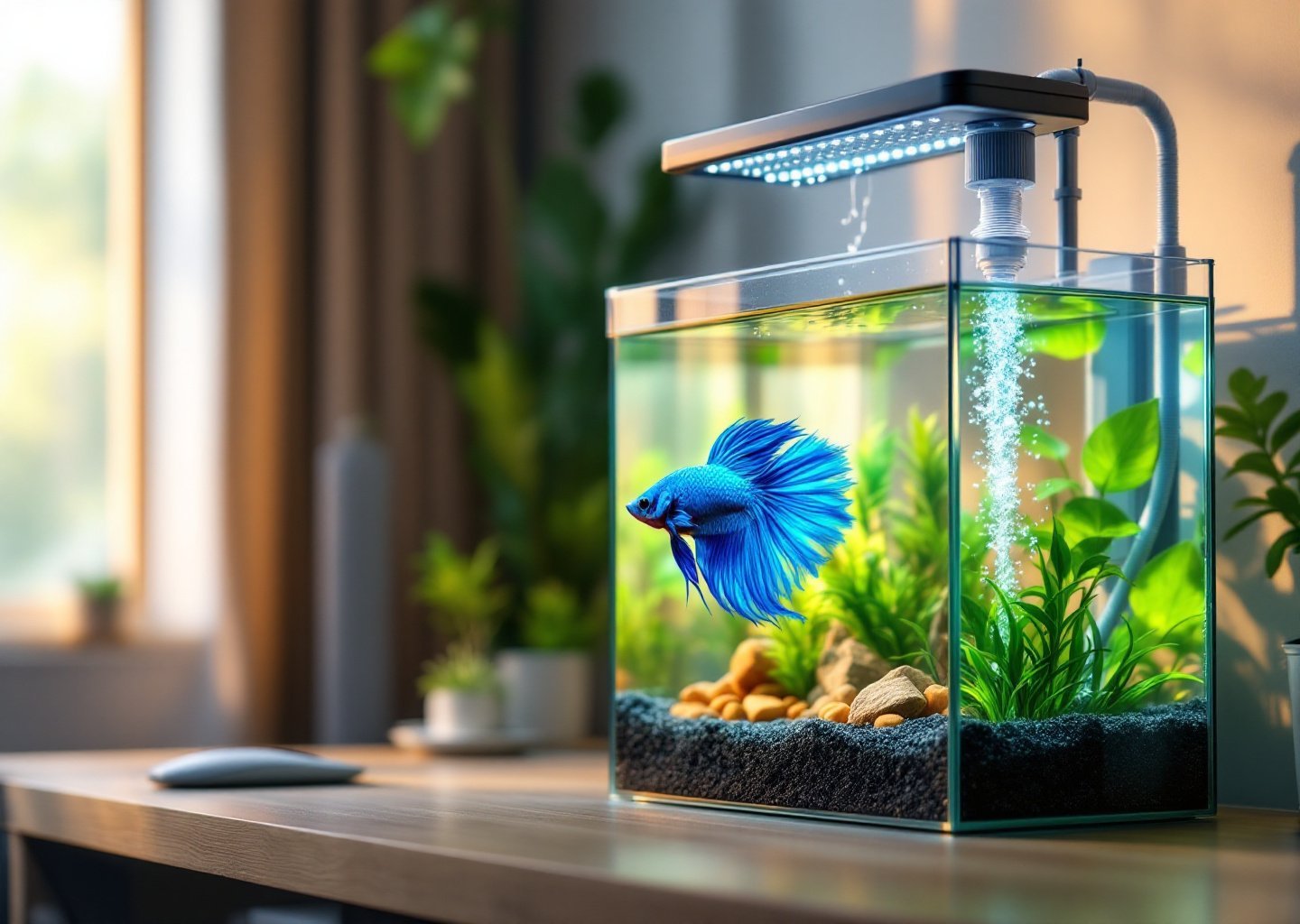
Let me tell you about Gerald. Gerald was a beautiful blue betta who lived in a small tank on my desk during my first month in the aquarium hobby. Gerald died because I didn’t understand filtration, cycling, or honestly anything about keeping fish alive. That was three years and seven nano tanks ago. I’ve made it my mission to help other beginners avoid my expensive, heartbreaking mistakes.
When I started researching the best aquarium filter for beginners after Gerald’s passing, I hit a wall of confusing manufacturer specs, contradictory advice, and guides that seemed written by people who’d never actually set up a tank in a tiny apartment. Nobody talked about the filter that rattled so loudly it kept me awake. Nobody mentioned the one that created a current so strong my next betta, Franklin, looked like he was fighting a hurricane just to swim to his food.
So I did something that probably qualifies as obsessive. Over the past year, I tested seven different filters across my tanks, documenting noise levels, actual water clarity, maintenance headaches, and which ones were still running strong after 90 days. I measured. I took notes. My partner got really tired of hearing about filter media.
This guide is everything I wish someone had told me before I wasted money on filters that ended up in my closet.
Filter Types Explained: Sponge vs. HOB vs. Canister (With Honest Pros/Cons)
Before we get into specific products, you need to understand what you’re choosing between. I promise to keep this shorter than the 47-page forum threads I waded through.
Sponge Filters
Picture a sponge connected to an air pump. Water gets pulled through the sponge, beneficial bacteria colonize it, and boom, you’ve got biological filtration.
What I actually experienced:
– Crazy cheap, usually under $10
– Nearly impossible to kill (I’ve tried)
– Perfect gentle flow for bettas and shrimp
– Requires a separate air pump (add $15 to $25)
– That bubbling noise drove me nuts in my bedroom
When comparing sponge filters vs. power filters, it really depends on your setup. Sponge filters win for breeding tanks and betta setups. They lose for anyone who wants crystal-clear water without patience.
Hang-on-Back (HOB) Filters
You’ve probably seen this type everywhere. It hangs on the back of your tank, sucks water up through an intake tube, runs it through filter media, and waterfalls it back in.
What I actually experienced:
– Easy to set up and maintain
– Great mechanical filtration (actually removes debris)
– Can be loud if you don’t keep water levels topped off
– That waterfall effect agitates the surface nicely for gas exchange
– Some models have adjustable flow, which saved Franklin’s life
For the canister vs. hang-on-back filter comparison, HOBs win on convenience and price. They lose on total filtration capacity and noise.
Canister Filters
These are the big guns. They sit below or beside your tank, pump water through multiple media chambers, and push it back through a spray bar or outlet.
What I actually experienced:
– Overkill for most beginner setups under 30 gallons
– Significantly quieter than expected
– Priming them made me question my life choices
– Expensive upfront, but the media lasts forever
– Maintenance is a whole production
Unless you’re running a 40-gallon planted tank or have fish with heavy bioloads, skip these for now.
The GPH Myth: How to Actually Size Your Filter for 10-, 20-, and 30-Gallon Tanks
Here’s where most guides get it wrong. They’ll tell you to buy a filter rated for your tank size and call it a day. But manufacturer ratings are basically fiction.
Old-school advice says you want your tank’s total volume filtered 4 to 6 times per hour. So a 20-gallon tank needs 80 to 120 GPH. Simple, right?
Not quite.
Actual GPH drops the moment you add filter media. That AquaClear 50 rated at 200 GPH? With a full media basket, you’re probably getting 140 to 160 GPH. After a month without cleaning? Even less.
My actual sizing recommendations based on testing:
| Tank Size | Minimum GPH Rating | My Preferred GPH |
|---|---|---|
| 10 gallon | 75 to 100 GPH | 100 to 150 GPH |
| 20 gallon | 150 to 200 GPH | 200 to 250 GPH |
| 30 gallon | 200 to 250 GPH | 250 to 300 GPH |
If you’re wondering what size aquarium filter you need for your tank, buy one size up from what the packaging suggests. You’ll notice clearer water within days, and you’ll have room to grow into the hobby. Trust me. The hobby always grows.
One caveat: if filter flow being too strong for betta fish is a concern, get an adjustable flow filter and dial it back. A too-strong filter doesn’t help your fish. It exhausts them.
My 7-Filter Test Results: Performance, Noise, and 90-Day Durability
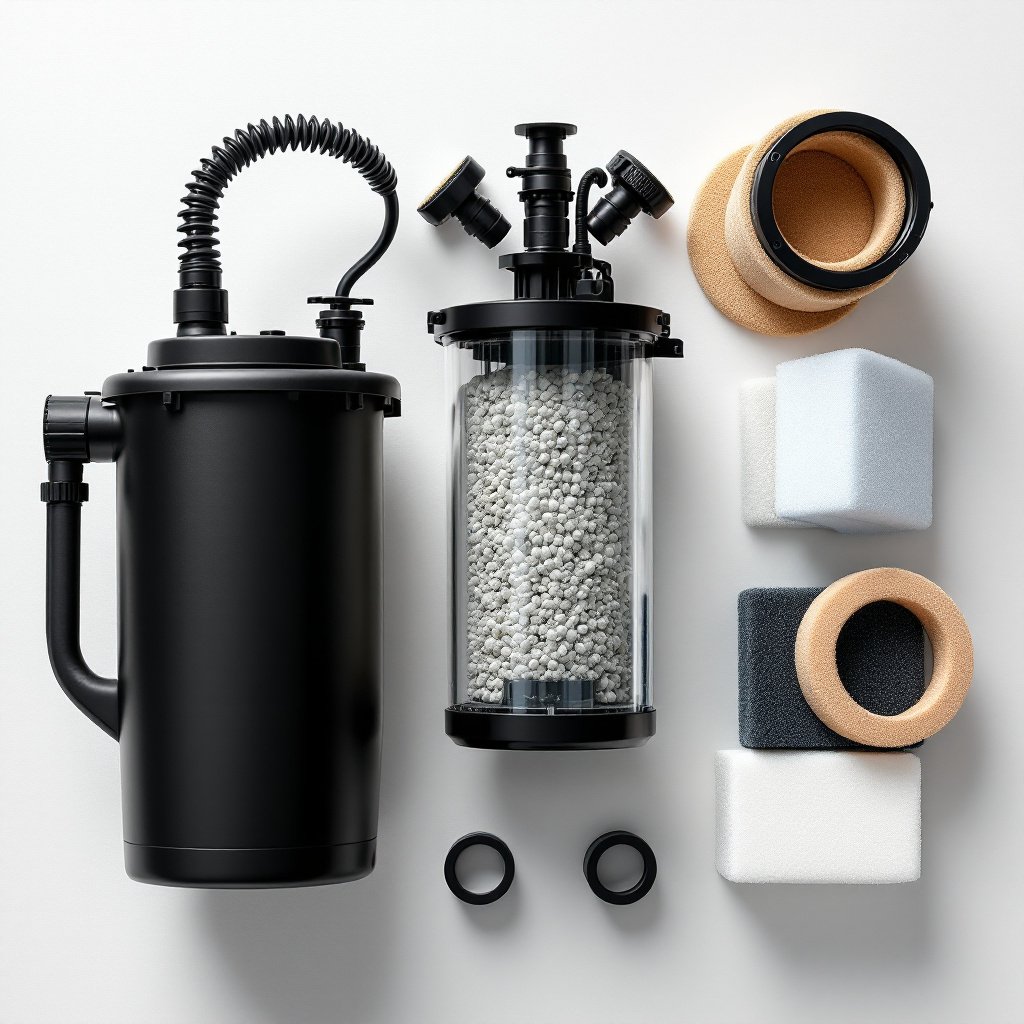
I tested these filters across three tanks: a 10-gallon betta tank, a 20-gallon planted community tank, and a 5-gallon shrimp tank. Here’s what actually happened.
AquaClear 30 (HOB)
Price: Around $35
Rated GPH: 150
Best for: 10 to 20 gallon tanks
This became my daily driver. Flow is adjustable, the media basket is customizable (ditch the carbon, add more bio media), and it’s run for 8 months now without issues.
Noise level? Quiet hum when the water level is high. Annoying trickle when it drops. I keep it topped off religiously now.
AquaClear 50 (HOB)
Price: Around $45
Rated GPH: 200
Best for: 20 to 30 gallon tanks
Basically the bigger sibling. I run this on my 20-gallon planted tank, and it’s handled everything I’ve thrown at it. It earns the best filter for 20-gallon planted tank title because the adjustable flow doesn’t destroy delicate plant stems.
Seachem Tidal 35 (HOB)
Price: Around $50
Rated GPH: 150
Best for: People who like to tinker
Self-priming, surface skimmer included, maintenance indicator. But honestly? I found it fussier than the AquaClear line. Those heater holders kept popping off. It’s a good filter. Just not my favorite.
Hikari Bacto-Surge Sponge Filter (Sponge)
Price: Around $12 (plus air pump)
Best for: Betta tanks, shrimp tanks, hospital tanks
A powerhouse that won’t bully your fish. Zero flow issues for my betta, and my cherry shrimp population exploded. When people ask about sponge filters vs. power filters for sensitive livestock, this is my answer.
Downside: the bubbling drove me out of my bedroom. Now it lives in my living room.
Tetra Whisper IQ (HOB)
Price: Around $25
Rated GPH: 105 (10 to 20 gallon model)
Best for: Budget setups
That “Whisper” name is marketing, not reality. It’s quieter than some, louder than others. The cartridge-based design means you’re locked into their media replacements. I used it for a month before switching.
Aqueon QuietFlow (HOB)
Price: Around $30
Rated GPH: 150
Best for: Those who want set-and-forget
Decent performance, mediocre noise levels. The self-priming feature worked exactly once. After that, I had to manually prime it every time I unplugged it. Returned.
Oase Filtosmart Thermo 100 (Canister)
Price: Around $120
Best for: People with more budget than I have
I borrowed this from a friend to test on my 20-gallon. Whisper quiet. Crystal-clear water. Built-in heater. But the price and the intimidating setup process made it a no-go for a genuine beginner recommendation. It’s fantastic if you’re ready to level up, though.
Special Cases: Best Picks for Planted Tanks, Bettas, and Bedroom Setups
Best Filter for Planted Tanks
For a 20-gallon planted tank, grab the AquaClear 50 with the flow turned down to about 60%. Planted tanks need filtration but hate strong currents that uproot stem plants. I lost an entire Amazon sword to a filter I couldn’t adjust. Never again.
Also consider adding a pre-filter sponge to the intake. It protects baby shrimp and reduces maintenance.
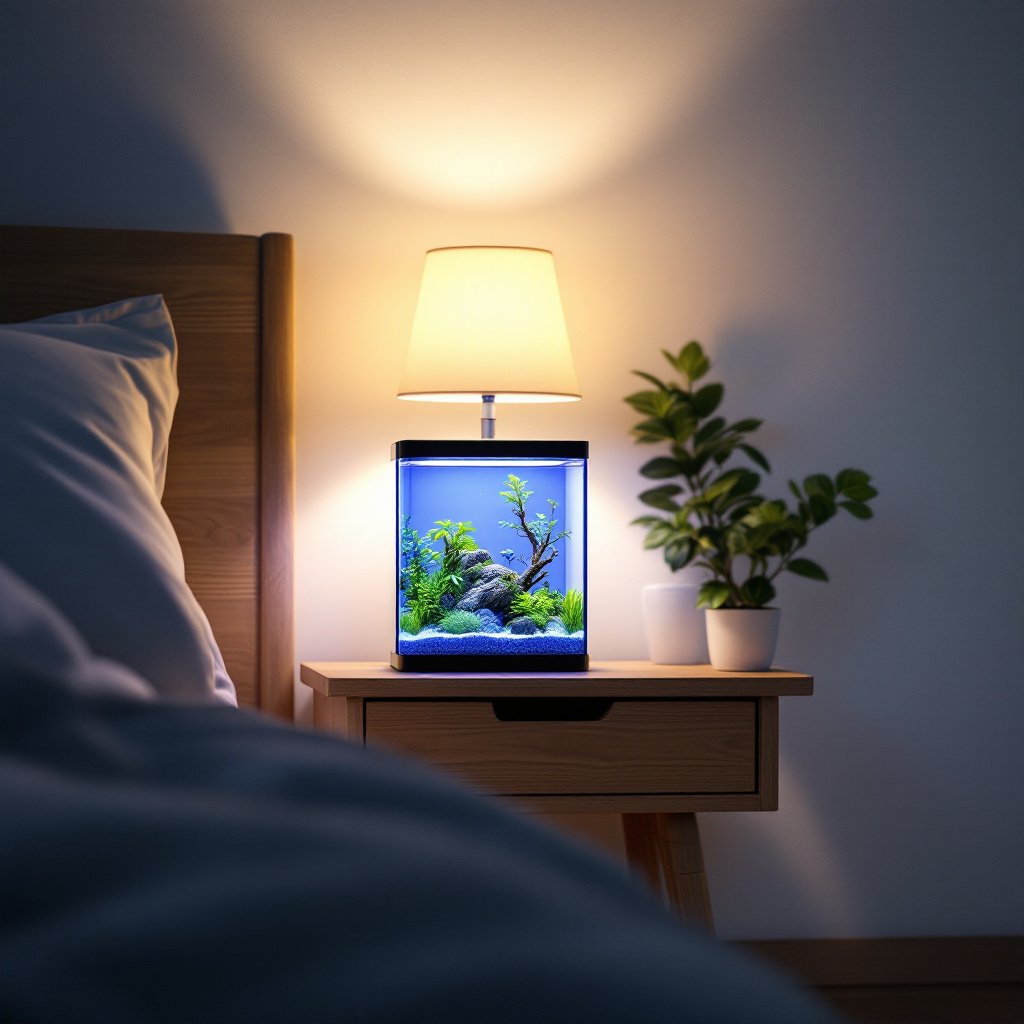
Quietest Fish Tank Filter for Bedroom
Want the quietest fish tank filter for bedroom setups? My pick is the Seachem Tidal series or any HOB with the water level kept consistently high. That waterfall sound is what keeps people awake, not the motor.
If you can tolerate some bubbling, a sponge filter with a quality air pump (like the Tetra Whisper AP) is actually pretty peaceful. I know I complained about mine, but I’m a light sleeper. Most people adjust within a week.
tips for reducing aquarium filter noise
Best for Bettas
Sponge filter, full stop. Or the AquaClear 20 with the flow dialed to minimum. Your betta shouldn’t have to fight a current to exist in his own home. Franklin learned to surf the gentle current from the AquaClear, but I wouldn’t go stronger than that.
The Real Cost Breakdown: Filter Media Replacement and Hidden Expenses
Let’s talk about how often to replace aquarium filter media, because this is where beginners get scammed.
What filter companies want you to believe: Replace cartridges monthly for optimal performance.
What’s actually true: Replacing all your media monthly destroys your beneficial bacteria colony and can crash your cycle. Don’t do it.
Here’s my actual replacement schedule:
- Mechanical media (sponges, floss): Rinse in old tank water monthly. Replace every 3 to 6 months.
- Biological media (ceramic rings, bio balls): Never replace unless it’s literally falling apart. Rinse gently if needed.
- Carbon: I don’t use it unless I’m removing medication. For most setups, it’s unnecessary.
Real first-year costs:
| Filter Type | Upfront Cost | Year 1 Media | Year 1 Total |
|---|---|---|---|
| Sponge | $25 (with pump) | $0 | $25 |
| AquaClear 30 | $35 | Around $15 | $50 |
| Cartridge-based | $25 | Around $50 | $75 |
Those cartridge-based systems get expensive fast. The best aquarium filter for beginners is one that doesn’t trap you into proprietary replacement parts.
how to properly set up aquarium filter media
My Final Recommendations
After all this testing, here’s what I’d actually buy with my own money:
Best Overall for Beginners
AquaClear 30 or 50 (depending on tank size)
Adjustable flow, customizable media, reasonable price, and they just work. When anyone asks me for a recommendation, I point them here.
Best Budget Option
Hikari Bacto-Surge Sponge Filter + Tetra Whisper AP Pump
Under $30 total, perfect for nano tanks and bettas, and basically indestructible.
Best for Planted Tanks
AquaClear 50 with flow reduced and a pre-filter sponge added. Your plants will thank you.
Before you buy, do these three things:
- Measure your tank’s actual gallon capacity (length × width × height in inches, divided by 231)
- Decide if noise level matters (bedroom tank or not?)
- Check if your fish need gentle flow (bettas, fancy goldfish, shrimp)
Use these answers to cross-reference with the aquarium filter GPH flow rate guide section above.
And please, for Gerald’s sake, cycle your tank before adding fish. The best filter in the world can’t save fish from ammonia poisoning in an uncycled tank.
complete guide to cycling your first aquarium
Now go set up that tank. I know you’ve been thinking about it. And if you’re in a tiny apartment wondering if you have room, let me assure you: there’s always room for a 5-gallon. That’s what I keep telling my partner, anyway.