Most aquarium fish die due to poor water quality, stress, disease, or improper care.
I’ve kept tanks for years and helped friends fix failing aquariums. I understand why fish in aquarium die, and I’ll walk you through clear causes, simple tests, and fixable steps. Read on to learn practical fixes you can use today to keep fish healthy and reduce losses.

Common causes of fish deaths
Fish die for many reasons. The most common are water chemistry issues, stress, infection, and bad husbandry. If you know the signs and fixes, many deaths are preventable.
- Poor water quality: High ammonia, nitrite spikes, and toxic levels of nitrate quickly harm fish. Regular testing shows problems early.
- Overcrowding: Too many fish create waste and stress. Each species needs space and hiding spots.
- Poor acclimation: Sudden moves or new tank water shocks fish. Slow acclimation lowers shock and loss.
- Disease and parasites: Bacterial, fungal, and parasitic infections can spread fast in tanks. Quarantine new fish to prevent outbreaks.
- Wrong temperature or pH: Fish thrive in narrow ranges. Mismatched water kills them slowly or suddenly.
- Inadequate filtration: Filters remove waste and keep water clear. A weak filter can let toxins build up.
- Poor nutrition: Low-quality or overfeeding leads to disease and water problems. Feed correct diets and amounts.
Why fish in aquarium die often comes down to basics. Address those basics and mortality rates fall fast.

Water quality: the #1 factor
Water is the fish’s air and home. Small changes in chemistry can be deadly. I always test water weekly. It saved dozens of fish in my first community tank.
- Test for ammonia, nitrite, nitrate, pH, and temperature. Simple test kits find problems before fish show stress.
- Ammonia and nitrite should be zero. Even low ppm levels hurt gills and immune systems. If you see spikes, do partial water changes and check your filter.
- Keep nitrate low. Nitrate under 20–40 ppm is safe for many community fish. Higher levels stress fish and invite disease.
- Maintain stable pH and temperature. Sudden swings cause shock and can explain why fish in aquarium die shortly after changes.
- Aeration and surface movement matter. Low oxygen kills fish faster than most think.
Small daily steps to monitor water cut the chance that you’ll ask later why fish in aquarium die.
Stress, compatibility, and behavior
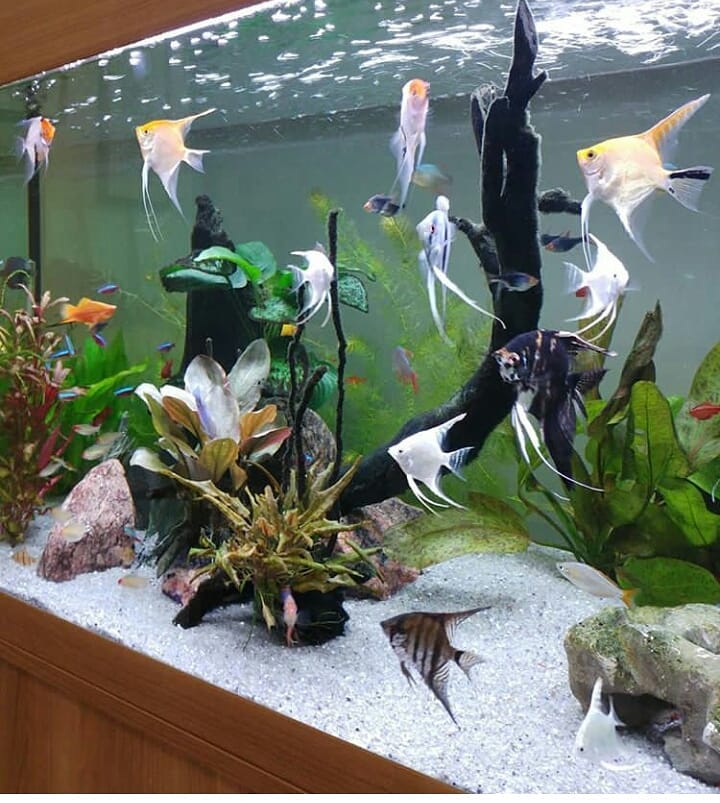
Stress weakens fish and makes them vulnerable. I once lost a small tetra to frequent loud noise near the tank. Stressors are often hidden.
- Bullying and territorial fights cause injury and chronic stress. Match fish by temperament and size.
- Constant light or noise affects sleep cycles. Fish need calm periods.
- Poor hiding spots increase cortisol in fish. Add plants and caves to reduce stress.
- Fast changes in environment cause stress. When moving fish, acclimate slowly to reduce shock and prevent deaths.
Understanding social needs helps explain why fish in aquarium die in some setups but thrive in others.
Common diseases and how they kill fish
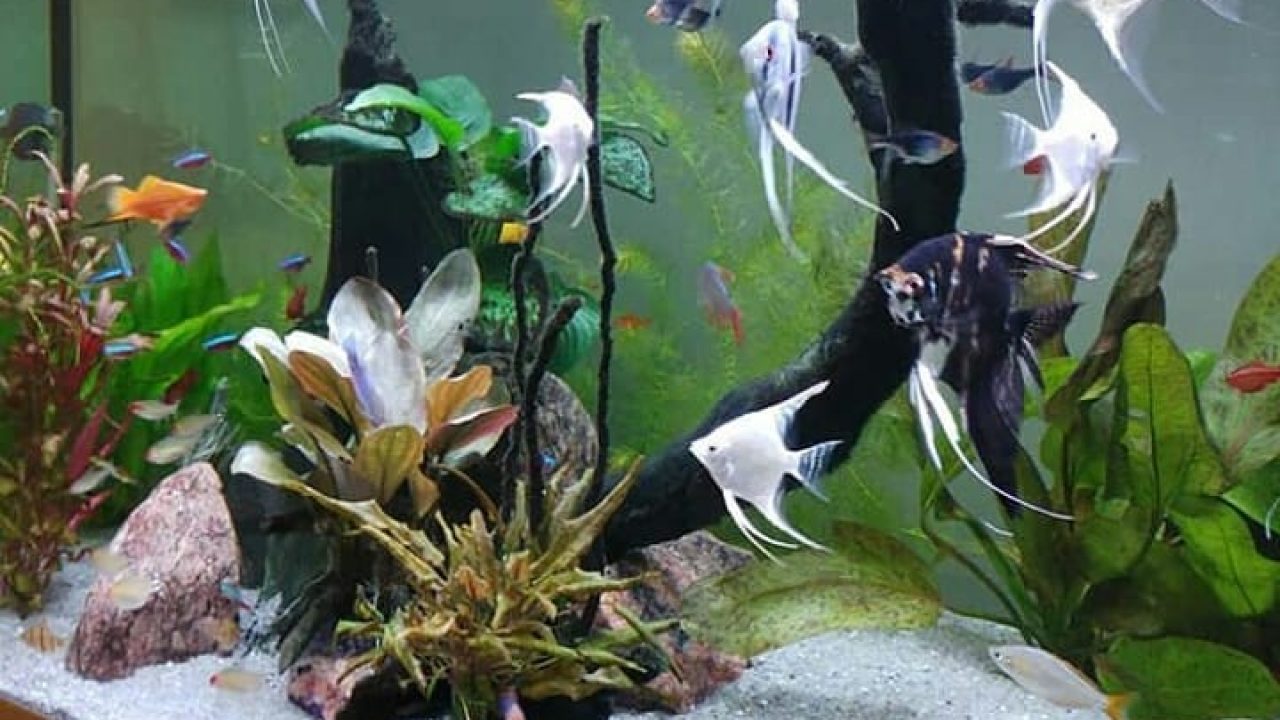
Diseases can sweep a tank quickly. Knowing common signs helps you act fast and save lives.
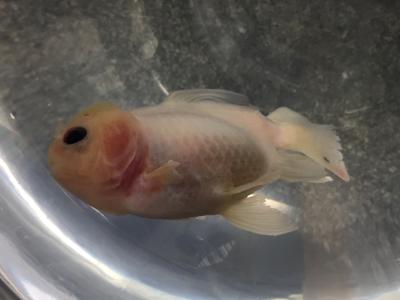
- Ich and parasites: White spots, scratching, and rapid breathing are classic signs. Early treatment with correct meds or heat cures many cases.
- Bacterial infections: Red sores, fin rot, and lethargy often follow poor water. Antibiotics or improved water can clear infections.
- Fungal growth: Cotton-like patches appear after injury or stress. Clean water and antifungal treatments help.
- Swim bladder disease: Fish float oddly or sink, often because of diet or infection. Diet changes and gentle care often restore balance.
- Hidden chronic conditions: Long-term stress and bad water allow opportunistic microbes to kill slowly. Regular care is prevention.
When you ask why fish in aquarium die suddenly, think disease plus poor water. Treat both to stop spread.
Tank setup and maintenance best practices
A healthy tank is easier to keep than restarting after losses. I learned this the hard way with my first overstocked tank.
- Match tank size to fish needs. Bigger tanks give stable water and more forgiveness for mistakes.
- Cycle your tank before adding fish. A fully cycled tank avoids deadly ammonia and nitrite spikes.
- Choose the right filter and clean it gently. Replace media only as needed to preserve beneficial bacteria.
- Keep a regular schedule for water changes. Weekly partial changes remove waste and lower toxins.
- Quarantine new fish for 2–4 weeks. This prevents introducing disease that can explain why fish in aquarium die en masse.
- Use a reliable heater and thermometer. Keep temperature stable to avoid shock and immune suppression.
These steps reduce most common causes of death and help new keepers succeed.

Feeding, nutrition, and common mistakes
Feeding seems simple. Yet it is one of the top reasons fish die in aquariums. I’ve watched people overfeed, thinking it’s harmless. It is not.
- Feed high-quality food suited to species. Carnivores need protein, herbivores need plant matter.
- Avoid overfeeding: feed small amounts 1–2 times daily and remove uneaten food after a few minutes. Excess food rots and spikes ammonia.
- Rotate diet. Fresh, frozen, and quality flake or pellet variety keeps fish healthy.
- Supplement vitamins only when needed. Too many additives stress fish.
Good feeding habits explain why fish in aquarium die less often in well-run tanks.

Treatment and quick responses to emergencies
If fish start to die, act fast. Early, calm steps save more fish than frantic, sweeping changes.
- Test water immediately to check ammonia, nitrite, and pH. Correct chemistry first with partial water changes.
- Isolate sick fish in a hospital tank when possible. Medication doses are safer and more effective in small tanks.
- Improve oxygenation. Add an air stone or increase surface agitation to help fish breathe.
- Avoid drastic temperature or chemical swings. Make steady adjustments and monitor closely.
- Seek species-specific treatment for parasites, bacteria, or fungal infections. Broad treatments can stress healthy fish.
A calm, stepwise approach answers the urgent question of why fish in aquarium die and how to stop it.

Personal lessons and common homeowner mistakes
Over the years I made mistakes that taught me more than any book. Sharing them may save you grief.
- I once added many fish at once to a small tank. The young livestock died over days. Lesson: stock slowly.
- I trusted visual clarity over tests. Clear water still held ammonia. Lesson: test water, don’t guess.
- I skipped quarantines to save time. A single sick fish infected the whole tank. Lesson: quarantine new arrivals.
- I fixed these habits and saw survival rates jump. Slow steps and simple tools matter most.
These are real failures and fixes. They show why fish in aquarium die and how easy many deaths are to prevent.
Equipment checklist to reduce deaths
A short kit keeps fish safe and lowers surprises.
- Test kit for ammonia, nitrite, nitrate, and pH. Test weekly and after changes.
- Reliable filter rated for tank size. Keep it clean and running.
- Heater and thermometer for tropical species. Maintain stable temperature.
- Water conditioner to remove chlorine and chloramine. Use with every tap water addition.
- Net, siphon, and quarantine tank for routine care and emergencies.
This basic kit addresses most reasons why fish in aquarium die.
Frequently Asked Questions of why fish in aquarium die
Why do fish die after being added to a new tank?
New tanks may still cycle. Ammonia and nitrite spikes harm fish. Always cycle the tank first and add fish slowly.
Can overfeeding kill aquarium fish?
Yes. Uneaten food decays and raises ammonia, which is toxic. Feed small portions and remove leftovers quickly.
How often should I test tank water?
Test weekly and after adding fish or changes. Frequent checks catch issues before they become deadly.
Does tank size affect fish survival?
Absolutely. Small tanks have unstable water and higher risk of spikes. Larger tanks are more forgiving and safer.
Should I quarantine new fish?
Yes. Quarantine for 2–4 weeks to watch for disease. This prevents introducing infections that can kill many fish.
Is tap water safe for aquariums?
Tap water can have chlorine or chloramine and heavy metals. Always use a water conditioner and test before adding it.
Conclusion
Fish die in aquariums for clear, fixable reasons: poor water quality, stress, disease, and mistakes in care. Focus on consistent testing, proper stocking, slow acclimation, good diet, and quarantine routines. Start small, learn from errors, and build steady habits to protect your fish. Try one change this week—test water, reduce feeding, or set up a quarantine tank—and watch how much better your aquarium becomes. Share your experience or questions below and subscribe for more practical tips to keep your tank thriving.