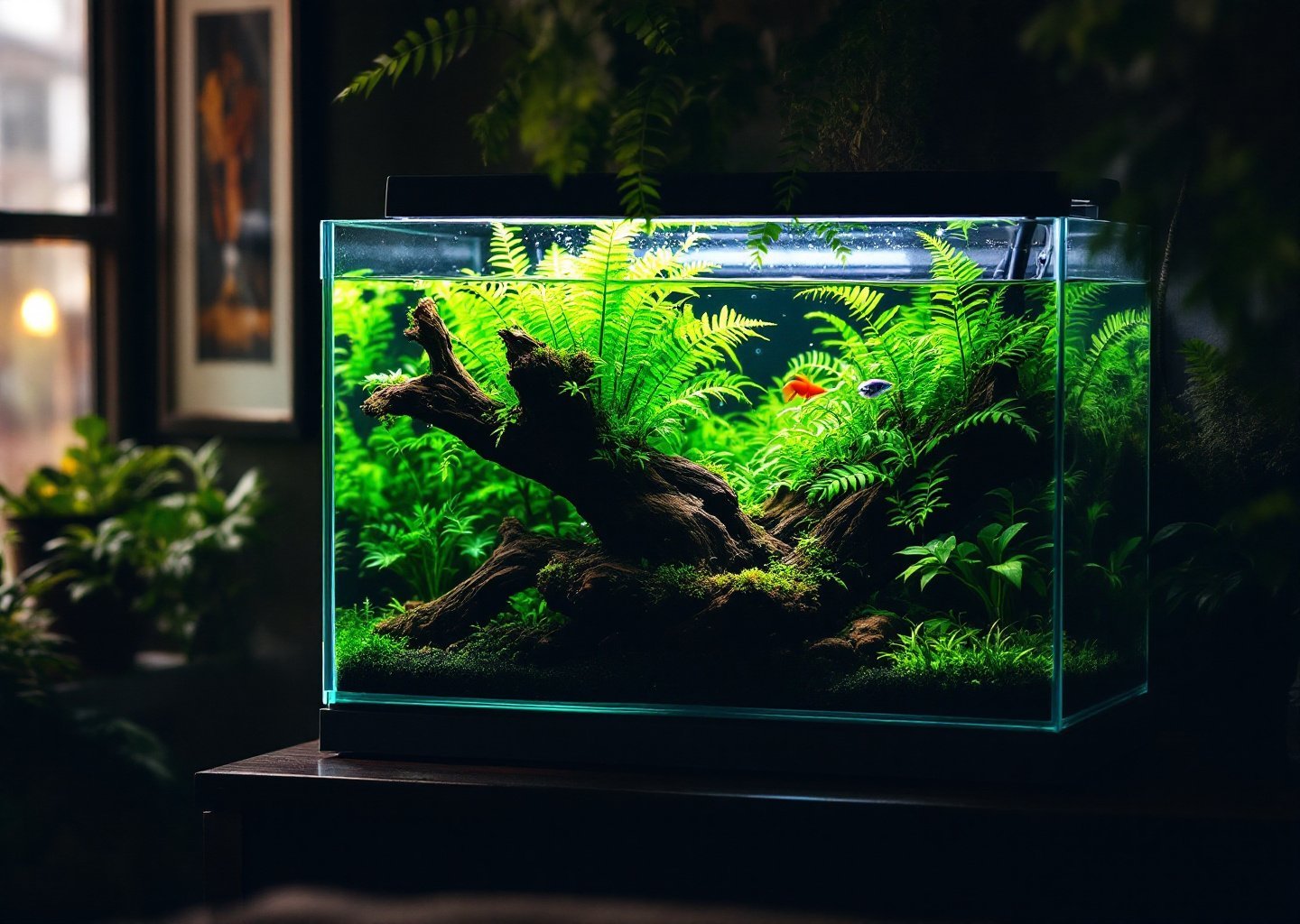
Easy Low-Light Aquarium Plants for Beginners: No CO2 Required
I used to joke that my first year in the hobby could be measured by the number of plants that melted into mush in my nano tanks. Every beginner forum told me I needed easy low-light aquarium plants for beginners, no CO2, so I bought every plant labeled “easy.” Spoiler: half of them were absolutely not easy, and my trash can looked like a very expensive underwater plant graveyard.
New to planted tanks and feeling like your plants are plotting their own slow demise? Yeah, you’re not alone. I went through the exact same mess after setting up my first betta tank in college. My graphic design background made me confident I could create a tiny underwater jungle. Reality checked me fast.
This guide breaks down what actually works in real low-tech setups. The thing is, no-CO2 tanks play by different rules, and some plants that get marketed as beginner-friendly only stay that way with high light or injected CO2. I want you to skip the frustration and learn what I wish I’d known from the start.
The Low-Light Lie: Why Some “Beginner Plants” Still Die
Low light means something very different to hobbyists than it does to plants. Most beginners think low light means the stock light that came with the tank. But honestly? Many stock lights are more like dim mood lighting, good for late-night ambiance, not great for photosynthesis.
What usually goes wrong:
– You buy plants that need medium light but are labeled “easy.”
– The tank’s new, so nutrients are uneven and unstable.
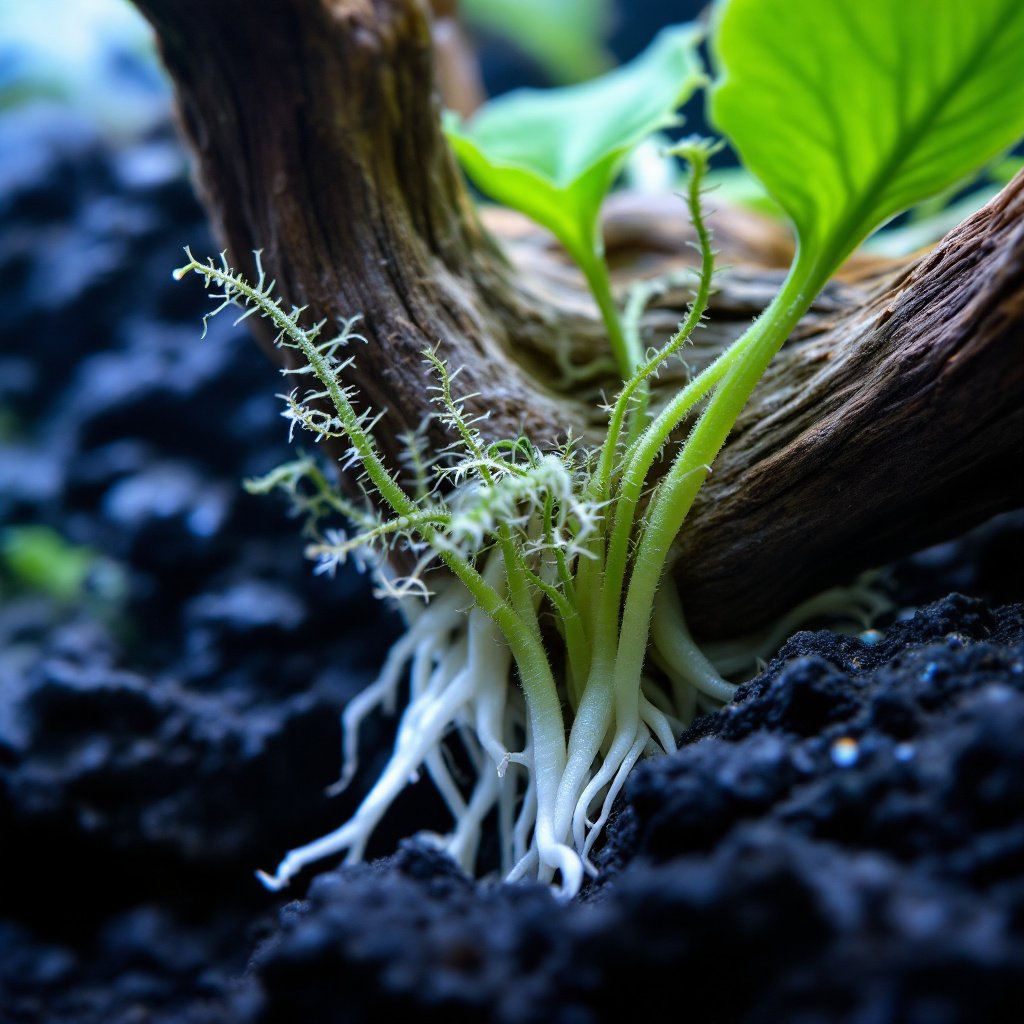
– You plant rhizomes in the substrate and unintentionally smother them.
– You underestimate how slow slow-growing aquarium plants without CO2 injection really are.
Real low-tech tanks run on patience and consistent conditions. Growth happens, but it creeps. When your expectation is constant lush new leaves, you’re going to feel like you’re failing even when you’re not. Sound familiar?
The Honest Tier List: 5 Plants That Survive Neglect vs. 3 Overhyped “Easy” Plants
After seven nano tanks in a Portland apartment that barely gets sunlight, I can confidently rank these.
Five Plants That Almost Refuse to Die
These are the true easy low-light aquarium plants for beginners, no CO2. Yes, finally some honesty.
- Java fern: The textbook hardy plant and easily one of the best low-tech planted tank species.
- Anubias nana or Anubias barteri: Slow but steady, with minimal demands.
- Floating plants like salvinia or frogbit: These will grow in anything and help stabilize a new tank.
- Cryptocoryne wendtii: Crypt melt is real, but once they settle? Loyal for life.
- Mosses like Java moss: Slightly scruffy, but unstoppable.
Three Plants That Get Hyped as Easy but Are Not
These are the marketing traps that filled my plant graveyard.
- Dwarf hairgrass: Looks adorable in photos, but needs way more light than advertised.
- Alternanthera reineckii mini: Pretty red leaves, but it hates low light and no CO2.
- Pearl weed: Fast grower, but it stretches into a sad mess without strong lighting.
I really wish someone had told me that some plants are only easy when you’ve got high light and CO2. A beginner planted tank without a CO2 system simply doesn’t have those conditions.
Java Fern vs. Anubias: Choosing Your First Plant Based on Your Specific Tank Setup
People ask me this all the time, and I always ask two questions:
1. Do you have hardscape to tie plants to?
2. Do you prefer broad leaves or narrow leaves in your scape?
Java fern gives you long, textured leaves that look incredible in taller tanks. Anubias gives you round, broad leaves that feel bold in smaller tanks. In my 5-gallon betta tanks, Anubias always feels more balanced. In my taller 10-gallon? Java fern fills the vertical space better.
A few tips worth remembering:
– Never bury the rhizome. I killed two Anubias before learning this. (Yes, two.)
– Both Java fern and Anubias can benefit from some water circulation to deliver nutrients and prevent debris buildup on leaves, though neither requires high flow.
– For variety, look into Anubias varieties for beginners, no CO2. Anubias nana petite is a favorite of mine for nano layouts.
Want more specifics? I wrote a short Java fern care guide for low-light tanks.
Floating Plants: The Secret Weapon for Balancing Light and Reducing Algae
Floating plants saved my tanks during my learning curve. When my scapes looked like algae art projects, floating plants stepped in and stole the excess nutrients.
Some of the best floating plants for low-light aquariums:
– Frogbit
– Salvinia minima
– Water lettuce (in bigger tanks)
Why do floating plants matter so much? Fast growers even in dim conditions, they block overly harsh light that encourages algae while creating a natural, soothing canopy that bettas absolutely adore.
Floaters also help you grow aquarium plants without CO2 by creating a more stable environment. Just remember to thin them weekly, or they’ll block all the light from your rooted plants.
The Fertilizer Question: When Your Low-Tech Tank Actually Needs Supplements
A lot of beginners panic and throw in every fertilizer they see. Or they do the opposite and add nothing for months. I did both. Neither approach works well.
Simple rule: low-tech tanks need nutrients, but not a buffet.
When you’re using inert substrate like sand or plain gravel, you should add a comprehensive liquid fertilizer once or twice a week. Something balanced and affordable works fine. I usually recommend root tabs for crypts but not for rhizome plants.
A few quick tips:
– Look for the best fertilizer for low-tech planted tank setups that won’t overload the water with iron or nitrates.
– Start with half doses for the first few weeks.
– Watch your plants, not just your test strips. Pale growth often means a nutrient gap.
Realistic Expectations: Photo Timeline of Healthy Low-Light Growth
You know those dramatic time-lapse videos on social media where a tank fills in after three weeks? Yeah, those are almost always CO2-injected tanks with strong lighting.
What low-tech growth actually looks like:
– Week 1: Plants adjust, melt, and look worse than day one.
– Weeks 2–3: Maybe a new leaf. Maybe.
– Weeks 4–6: Slow, steady growth that finally feels real.
– Month 3: The tank starts looking mature and balanced.
– Month 6: That jungle look you imagined at the start.
Expect slow progress, not instant gratification. Slow-growing aquarium plants without CO2 injection are doing their best. You just need to meet them halfway.
Planning to keep a betta? These slow growers are perfect. They make great low-maintenance live plants for betta tank setups because they create hiding spots without taking over the tank.
Your First Month: A Week-by-Week Planting Schedule for Complete Beginners
This is the simple plan I wish I had when I killed my first dozen plants.
Week 1
– Pick two or three plants from the hardy list: Java fern, Anubias, or crypts.
– Add one floating plant species.
– Keep the light at 6 hours daily.
Week 2
– Add a small amount of a balanced fertilizer.
– Remove dead leaves so they don’t rot.
– Do a 20 percent water change.
Week 3
– Increase light to 7 hours when you’re seeing no algae.
– Adjust plant placement when shadows look uneven.
Week 4
– Trim floating plants so they don’t cover everything.
– Add root tabs for crypts when needed.
– Take photos. Small changes matter.
By the end of the month, your system should feel stable. No-CO2 tanks thrive when you’re patient and consistent, and the right plants make the process surprisingly relaxing.
Want to keep expanding your plant lineup? Check out best low-tech planted tank species. And when you ever feel discouraged? Just know my tank named Gerald’s Revenge is living proof that beginners get better fast.