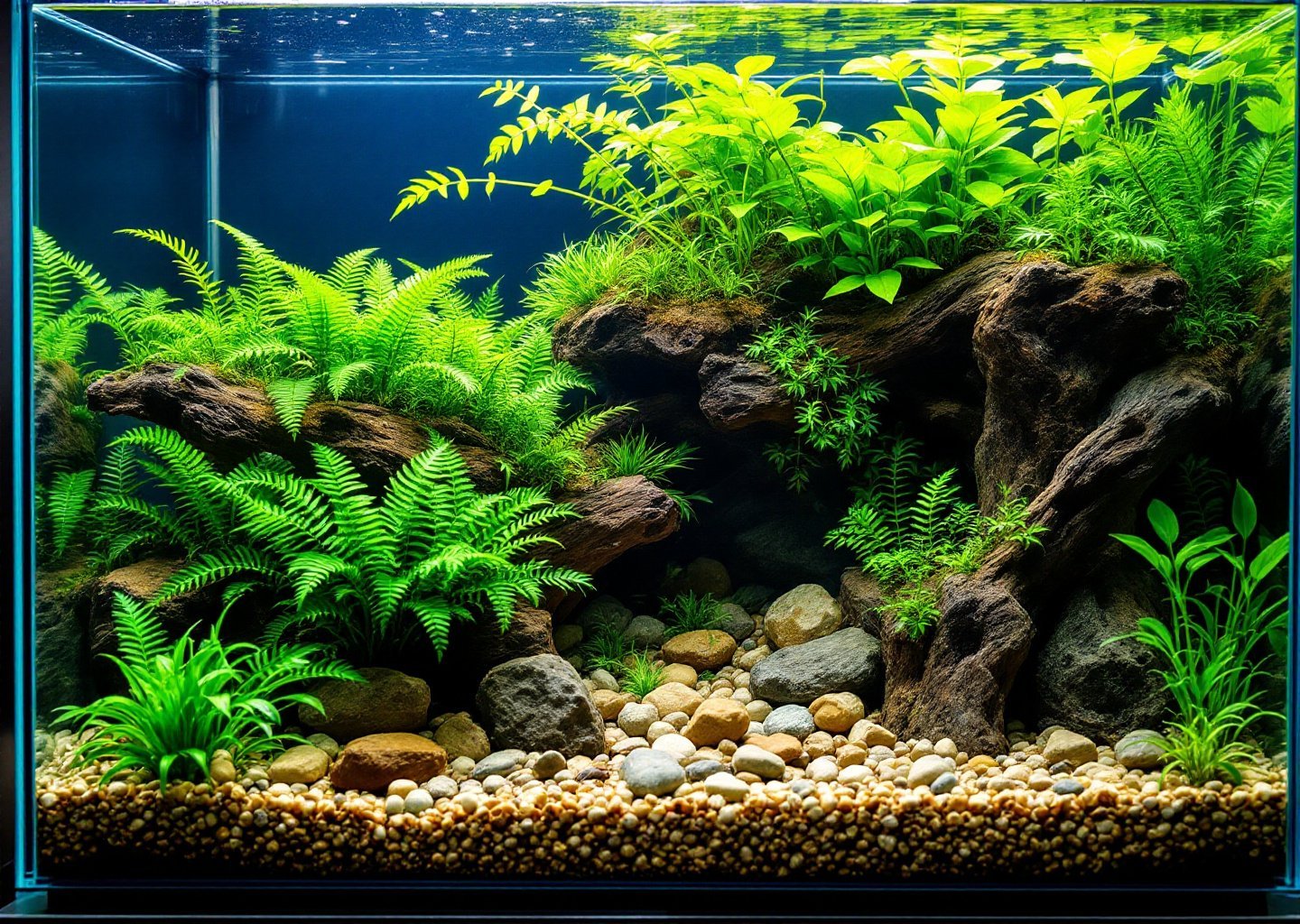
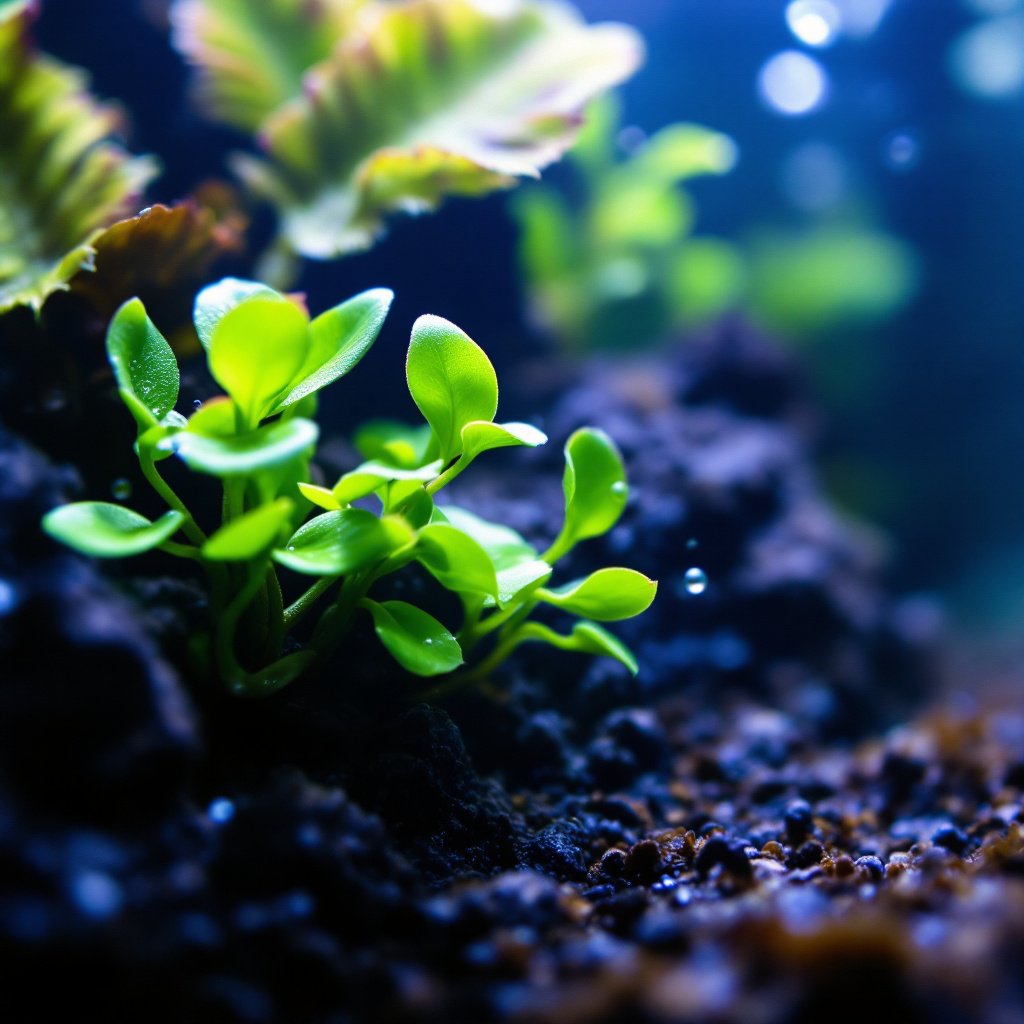
If you’ve typed “aquascaping basics for beginners step by step” into a search bar, you probably ended up overwhelmed by gorgeous tanks that look impossible to recreate. I get it. My first tank was a plastic 2.5-gallon cube on my graphic design desk, and I killed poor Gerald the betta in an uncycled, algae-covered mess. Many beginners quit within the first few months, not because they lack skill, but because nobody teaches the timeline part. Aquascaping is slow art, and this guide breaks it into small tasks so you can build a tank that actually survives. I’m going to show you exactly how to start an aquascape tank without the chaos spiral that takes down most new setups. You’ll follow a simple 30-day plan that handles the hard parts for you. By the end, you’ll know what aquascaping for beginners means, explained in a way that feels doable, not stressful. And you’ll avoid the rookie traps I fell into. ## Aquascaping vs. Regular Fish Tanks: The One Mindset Shift That Changes Everything Most people set up a tank for fish. Aquascaping flips that. You set up a tank for plants, then add fish later if you want. It sounds small, but it changes everything. When you think like a plant keeper: • You stop rushing
• You let the tank cycle properly
• You choose the right substrate
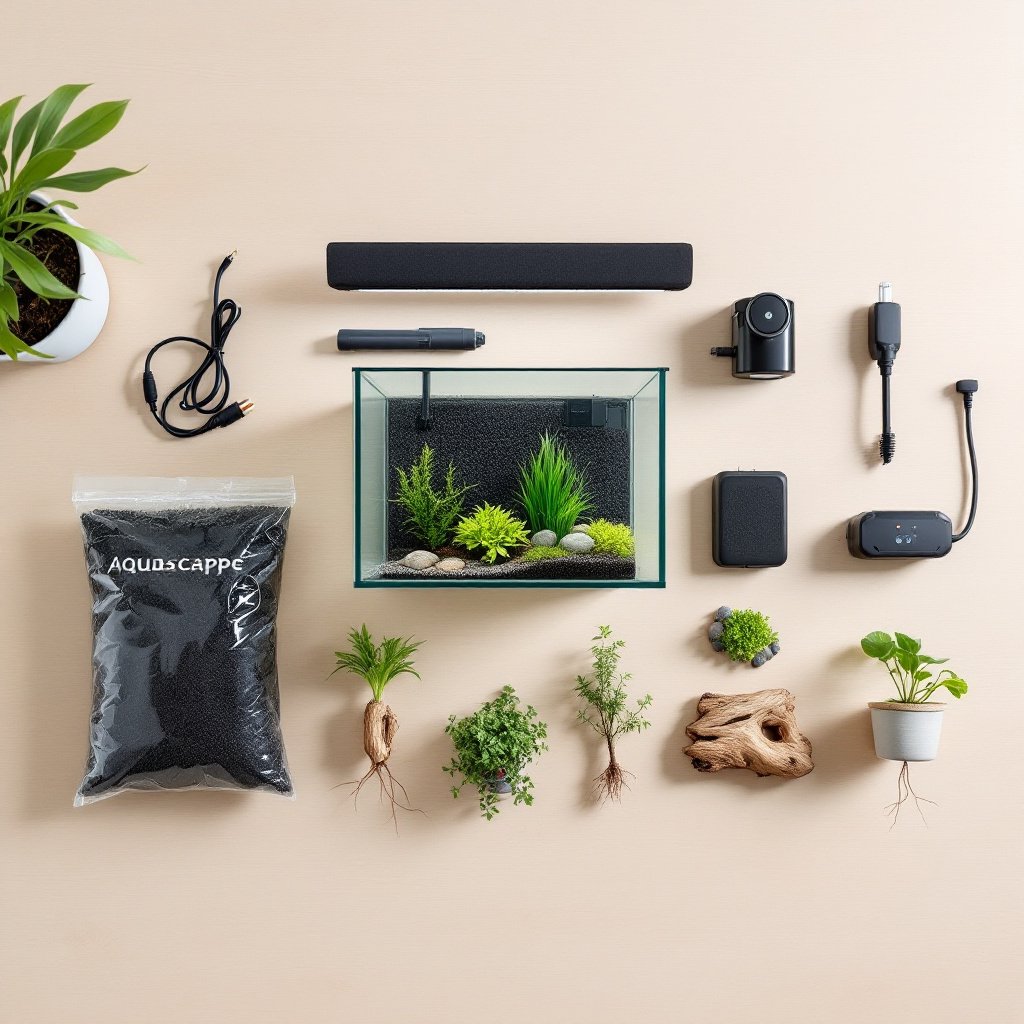
• You add plants before fish Aquascaping is closer to building a tiny garden than caring for a goldfish. And gardens follow timelines. When beginners skip the timeline, ammonia spikes, algae blooms, and everything melts. When you follow one, even simple aquascape layouts start to look surprisingly polished. ## The Beginner Equipment List: What You Actually Need (Under $150) I’m all about aquascaping on a budget. I live in a Portland apartment filled with nano tanks, so I know every trick to keep costs down. Here’s what I recommend. Tank
• 5- to 10-gallon, rimless if possible
Budget: $25–$40 Light
• A simple LED that outputs around 20–30 PAR at the substrate
Budget: $25–$40 Filter
• Sponge filter or a tiny internal filter
Budget: $10–$20 Heater
• 50-watt adjustable
Budget: $15–$20 Substrate
• Active planted substrate like Fluval Stratum
Budget: $20–$30 Hardscape
• Rock and wood from local fish stores or thrifted pieces
Budget: $10–$20 Plants
• Low-light, hardy species
Budget: $20–$30 Total cost usually falls between $125 and $150, depending on where you shop. This setup checks every box for a beginner aquascaping equipment list without buying things you don’t need. ## Choosing Your Substrate: Why This Single Decision Makes or Breaks Your Tank If I’d known early on how much substrate matters, I would’ve saved myself so many headaches. Beginners often choose gravel because it looks clean and cheap. But gravel starves most rooted plants. They melt, algae takes over, and everything looks sad. Active substrate solves this. It feeds roots, stabilizes pH, and creates a buffer that protects you from the mistakes we all make in the first month. For the best substrate for beginner aquascape setups, I usually point people toward: • Fluval Stratum
• Tropica Aquarium Soil
• ADA Amazonia Light These aren’t the cheapest options, but they’re worth every penny. If you absolutely must stay budget-friendly, use sand or gravel on top but place nutrient tabs below. ## The 5 Unkillable Plants for No-CO2 Beginner Tanks (With Placement Guide) Since this is an aquascaping-without-CO2-injection guide, we’re sticking with species that handle low-tech conditions. These are the beginner aquascape plants that don’t die unless something truly wild happens. 1. Anubias Nana Petite
Placement: Foreground and midground
Attach to rock or wood; never bury the rhizome. 2. Java Fern Windelov
Placement: Midground feature
Also attach to hardscape. It grows slowly but always looks elegant. 3. Cryptocoryne Wendtii (Green or Bronze)
Placement: Mid- to background
It melts at first, then rebounds like a champ. 4. Bacopa Caroliniana
Placement: Background
Vertical growth adds height fast. 5. Floating Plants (like Salvinia)
Placement: Surface
Shades the tank, prevents algae, and adds movement. These qualify as low-maintenance beginner aquascape plants while still giving you room to play with color and form. I love pairing green crypts with darker rock because the contrast looks intentional without extra work. ## The 3-Zone Layout Formula: Simple Aquascape Designs That Actually Work When people ask me for easy aquascape ideas for 10-gallon tank setups, I always come back to zone-based layout. These designs always look cohesive, even if your hardscape skills are still developing. Zone 1: Foreground
Small plants, open sand, or low carpet species. Zone 2: Midground
Hardscape transitions, medium-height plants, and your main focal area. Zone 3: Background
Tall plants that hide equipment and give a sense of depth. Here are three layouts beginners nail almost immediately: The Triangle Layout
Tall plants on one side tapering downward. Great for asymmetry. The Island Layout
One central mound of rock and wood with open space around it. The U-Shape
Hardscape on both sides with an open path through the center. These are simple aquascape layouts that work every time because they guide the eye. My design school brain loves them. ## Your 30-Day Launch Timeline: Daily Tasks From Setup to Thriving Tank This is where everything comes together. You’ll follow a slow, controlled rhythm so your tank never crashes. ### Week 1: Setup to Day 7 Day 1
Set up your tank, add substrate, place hardscape, and plant heavily. Fill slowly to avoid uprooting. Turn on the heater and filter. Lights stay off today. Day 2
Turn on lights for 4 hours. Add beneficial bacteria. No water changes yet. Day 3
Check temperature and filter flow. Top off evaporated water with conditioned tap water. Day 4
Increase light to 5 hours. Remove any melted leaves. Day 5
Do your first 30% water change. Test ammonia and nitrite if you have kits. Day 6
Add more floating plants if the water still looks cloudy. Day 7
Another 30% water change. Light stays at 5 hours. ### Week 2: Day 8 to Day 14 Plants start adjusting during this week. Algae also shows up, which scares beginners, but it’s normal. Days 8–10
Maintain 5-hour photoperiod. Manually remove any diatoms. Don’t scrub aggressively, or you’ll disturb beneficial bacteria. Day 11
30% water change. Day 12
Trim floaters if they cover more than half the surface. Day 13
Check hardscape stability. Wood sometimes shifts as it waterlogs. Day 14
Another 30% water change. ### Week 3: Day 15 to Day 21 Your tank starts settling here. Most people give up around this point because early algae hits hard. Stay the course. Day 15
Increase light to 6 hours. Day 16
Replant any stem plants that grew tall and leggy. Day 17
Check filter sponge. Rinse gently in old tank water if clogged. Day 18
20% water change. Day 19
Add more plants if you want to fill empty space. Day 20
Observe plant growth patterns. Adjust lighting angle if shadows hide details. Day 21
Another 20% water change. ### Week 4: Day 22 to Day 30 This is the stabilization phase. Plants start thriving, algae slows down, and everything feels easier. Day 22
Increase light to 7 hours. Day 23
Start shaping your midground plants. Small trims help you control future growth. Day 24
Top off evaporated water. Day 25
20% water change. Day 26
Add your first cleanup crew if levels are safe.
Good options: ramshorn snails, nerite snails, or cherry shrimp. Day 27
Evaluate the scape from a distance. Adjust rock angles if anything looks too symmetrical. Day 28
20% water change. Day 29
Optional: Start light fertilizing if plants look pale. Day 30
Your tank should now look settled, even if it’s still young. Take photos because this is your baseline. By following this aquascaping basics for beginners step-by-step timeline, you avoid the algae explosion and plant melt that usually wipe out early tanks. Week 5 and beyond becomes routine. Maintenance for a low-tech tank is pretty simple: • Weekly 20% water change
• Glass cleaning every 1–2 weeks
• Trim fast growers
• Rinse filter media monthly Once your tank hits the two-month mark, you can think about leveling up with new plants, better lighting, or trying your first CO2 system. Or, if you’re anything like me, you’ll suddenly realize there’s space for one more 5-gallon in the corner and start planning your next scape. If you want deeper tutorials, check out how to cycle a planted tank or beginner hardscape design tips. Your first aquascape doesn’t need to be perfect. It just needs to survive the first month, and now you have a plan that keeps you out of the trouble I fell into. Happy scaping.