
My $200 Planted Tank Experiment: Three Budget Builds, 90 Days, One Clear Winner
The first time I tried building a budget planted tank setup under $200, I somehow blew through almost double that. And I still ended up with a sad soup of melting crypts and algae fuzz. It hurt. My wallet. My pride. And my poor shrimp. So I decided to scrap everything and actually test three different budget approaches in parallel, all capped at $200 each.
My very first real attempt at a planted tank? A $400 disaster. Fancy substrate, overpriced stem plants, a light that claimed to be high-tech but acted more like a desk lamp. Then I rushed everything because I was impatient. Classic beginner move. Gerald the betta never forgave me.
After talking to other apartment aquarists around Portland, I kept hearing the same frustration. Everyone wants beautiful underwater jungles, but nobody wants to drop hundreds just to get started. Sound familiar? So I built three new tanks, each with a different method: standard low-tech, true Walstad, and a hybrid Frankenstein approach I cobbled together using thrift store finds and dirt from the yard.
All three tanks ran for about 90 days. Every cost, plant failure, and algae tantrum got recorded. What follows is the complete breakdown.
Tank 1: The Complete $200 Budget Breakdown, Where Every Dollar Goes (Standard Low-Tech)
Basically your classic beginner planted tank cost breakdown. A safe, predictable setup. Think: the 10-gallon planted tank budget build most people attempt after binging YouTube for a weekend.
Here’s what I bought:
– 10-gallon Aqueon tank: $20 on sale
– NICREW ClassicLED Plus light: around $20–$50 depending on size and retailer
– Sponge filter with pump: $18
– Aquasolum Black Humate substrate: around $25–$45 depending on bag size and retailer
– Hardscape (manzanita and two rocks): $20
– Plants (crypts, anubias, bacopa, floaters): $45
– Fertilizer (Thrive S): around $12–$18 depending on retailer and size
– Timer and basic tools: $10
Total: approximately $195
Results at 90 days:
– Moderate growth
– Bacopa reached the surface
– Anubias was fine but nothing to write home about
– Crypts melted for weeks then bounced back (they always do this, so don’t panic)
– Algae stayed manageable with weekly water changes
Honestly, this tank worked, but nothing about it felt exciting. Like the default preset on a design program. Functional, sure. But inspiring? Not really.
Tank 2: Walstad Method Build, True Costs and the Labor Nobody Mentions
People love saying the Walstad method is cheap. And it can be. But here’s the thing: the labor is real. The planning is real. And the mess? Very, very real.
What I spent:
– 20-gallon used tank from Craigslist: $25
– Organic potting soil, sifted carefully: $6
– Play sand cap: $5
– Shop light from my garage: $0
– Hardscape (random driftwood picked up along the Willamette): $0
– Plants, heavy on floaters and stem plants: $40
– Test kits and replacements for when the first set got soil-jammed: $20
– Replacement bucket after I cracked the old one mixing mud: $8
– Extra sponges because the filter kept clogging: $12
– Miscellaneous tools and timer: $10
Total: $126
Sounds cheap, right? But here’s the part people conveniently downplay: the first month is absolute chaos. Water went cloudy three separate times. Gas bubbles under the sand popped and shot soil everywhere. Constantly vacuuming soil specks that escaped the cap. And my living room smelled like swamp tea for a week. My roommate was… not thrilled.
But at day 90:
– Plant mass was significantly greater than the low-tech tank
– Zero fertilization needed
– Floaters covered half the surface
– Algae was almost nonexistent
Had the wildest, most natural look. Very wabi-sabi. Very Oregon creek bed. But I’ll be honest with you: the maintenance during the early phase would overwhelm most beginners.
Tank 3: The DIY Hybrid Approach That Actually Won
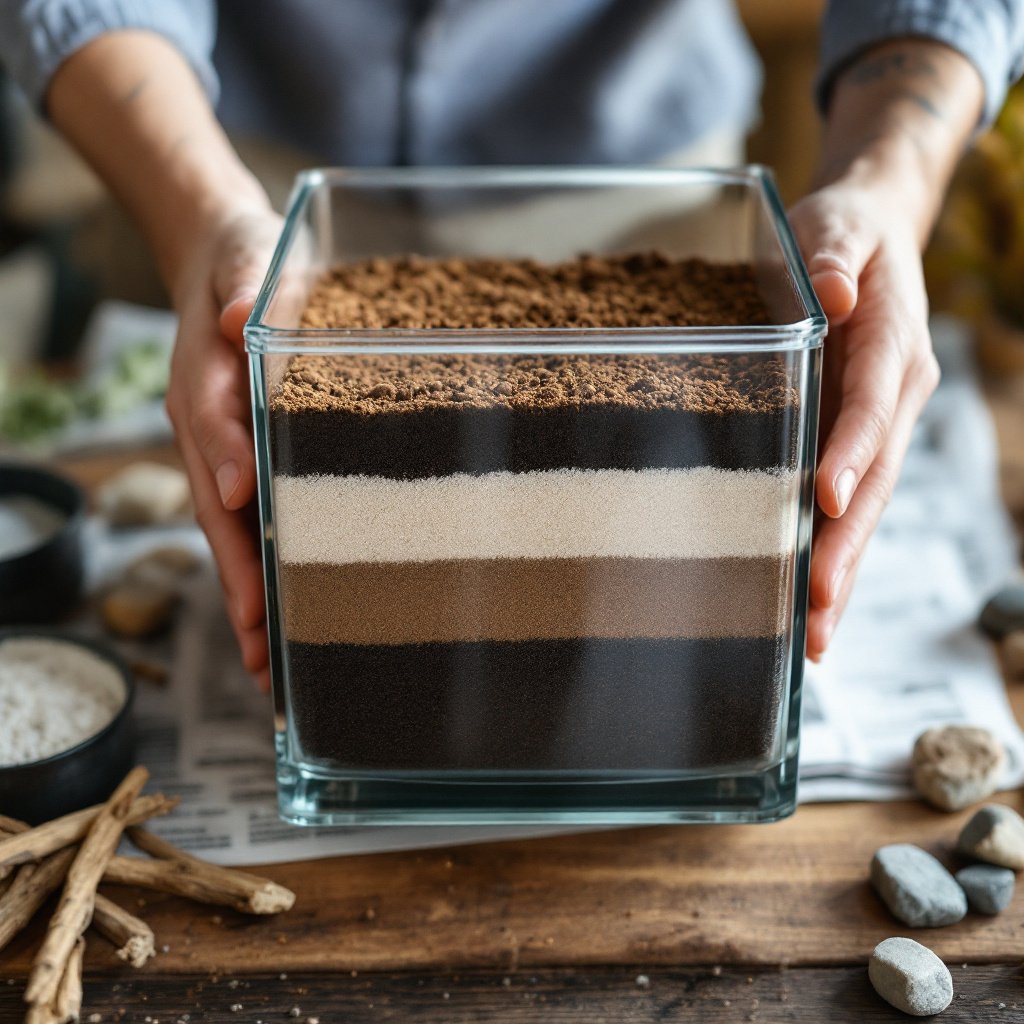
Impulsive is the only word for it. Combined dirt, cheap aquasoil, and pool filter sand, layered like a parfait. Used a clamp light with a bright LED bulb instead of a traditional aquarium light. Whole system was a low-tech planted tank, no-CO2 budget experiment, and I kept costs tight.
What I spent:
– 10-gallon rimless cube from Facebook Marketplace: $30
– Pool filter sand: $9
– Thin layer of dirt: free from my porch planter
– Small bag of cheap aquasoil: $16
– Clamp light plus full-spectrum bulb: $22
– Hardscape from a thrifted terrarium piece: $6
– Plants, mostly cuttings from my other tanks: $20
– Fertilizer (root tabs): $10
– Sponge filter setup: $18
– Timer and tools: $10
Total: $141
Genuinely surprised me. Looked good from day one and stayed stable from day ten. Growth was steady. Color was rich. Algae stayed low. Hybrid layering gave plants nutrients without the instability of full Walstad dirt.
At 90 days:
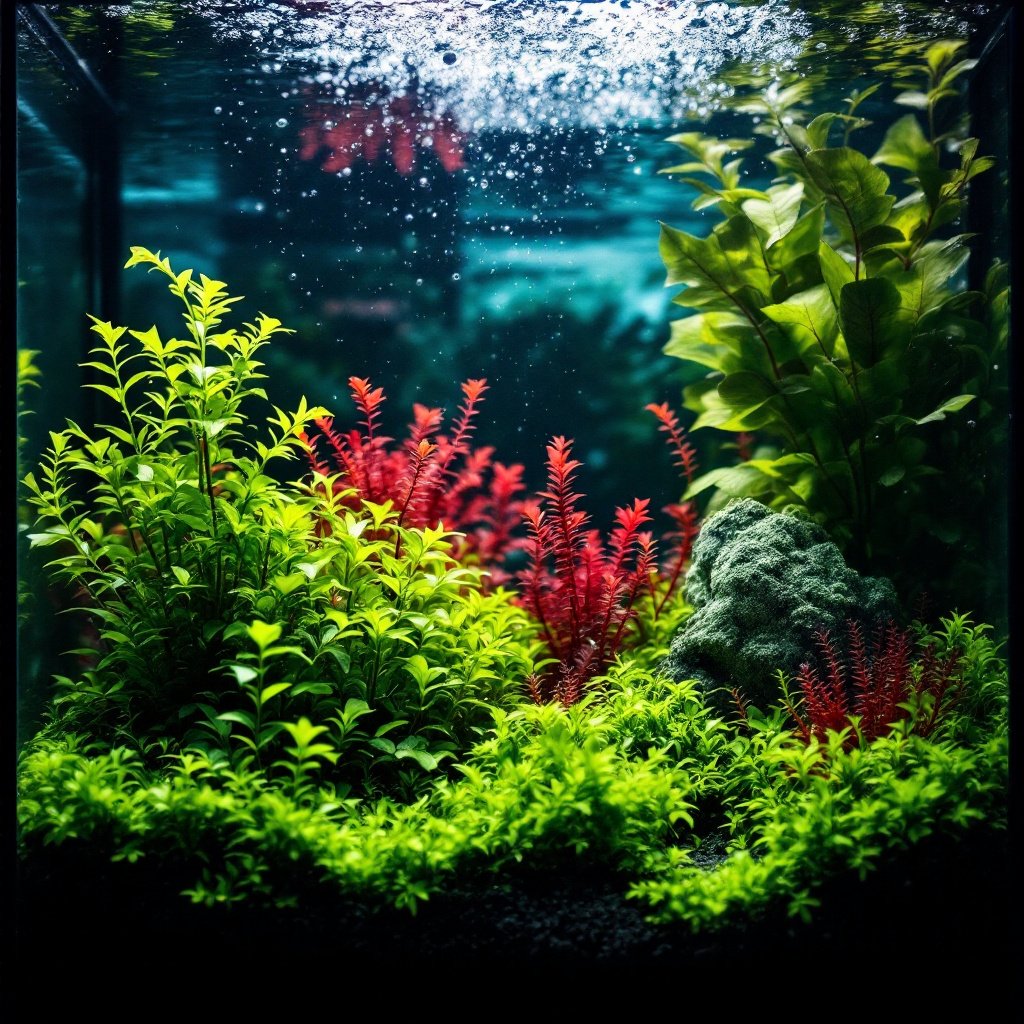
– Rotala grew red under the clamp light
– S. repens crawled into a carpet
– Sand stayed clean
– Maintenance was a breeze
Ended up looking like a $300 tank. And I loved it enough to keep it running permanently.
Affordable Substrate Showdown: Pool Filter Sand vs. Cheap Aquasoil vs. Dirt, 90-Day Results
After watching all three tanks mature, some clear patterns emerged.
Pool filter sand:
– Cheapest option by far
– Looks clean and bright
– Needs root tabs for heavy feeders
– Perfect if you don’t want to fuss with maintenance
Cheap aquasoil:
– Helps early plant growth
– Can leach ammonia for a week or two (heads up if you’re adding fish early)
– Turns mushy if you move it around too much
Dirt:
– Insanely nutrient-rich
– Can get messy if uncapped areas shift
– Rewards patient people who actually enjoy tinkering
If you asked me right now for an affordable substrate for planted tanks, I’d recommend a sand cap over aquasoil with a sprinkle of dirt under the main planting zone. Forgiving and still powerful.
Best Value LED Lights Under $40: Real Growth Comparison With Photos
Tested three lights:
– NICREW ClassicLED Plus
– Clamp light with a full-spectrum bulb
– Generic bar LED from Amazon (around $20–$30)
NICREW:
– Clean white color
– Good for crypts and anubias
– Weak for red plants
Clamp light bulb:
– Shockingly strong
– Best color punch
– Easy to angle for dramatic shadows
Generic LED bar:
– Bright but harsh
– Plants grew but looked washed out
– Algae bloomed earlier
Want actual growth on a budget? Clamp light wins. It doesn’t look sleek. Let’s be real, it looks a little janky. But plants don’t care about aesthetics.
10 Cheap Plants That Actually Thrive (And 5 Beginner Plants That Secretly Struggle)
Favorite cheap aquarium plants that grow fast:
– Water wisteria
– Bacopa caroliniana
– Hygrophila polysperma
– Vallisneria spiralis
– Amazon frogbit
– Cryptocoryne wendtii
– Java fern
– Bucephalandra “Red Mini” (small but surprisingly hardy)
– Dwarf sagittaria
– S. repens
Plants that pretend to be beginner-friendly but often melt on you:
– Scarlet temple
– Pearlweed
– Alternanthera reineckii
– Pogostemon stellatus “Octopus”
– Micro swords
Learned this the hard way when I tried to force red plants under a cheap desk light and wondered why everything turned brown. Don’t be me.
After running all three tanks, the hybrid build absolutely blew the others out of the water. Best balance of cost, growth, and day-to-day stability. If you want a planted aquarium on a budget that actually delivers results, this setup hits the sweet spot.
Here’s the exact complete $200 planted tank checklist I’d buy if I were starting over today:
– Used rimless 10- or 20-gallon tank
– Pool filter sand
– Thin layer of dirt under the main planting area
– Small bag of aquasoil to enrich planting holes
– Sponge filter and pump
– Clamp light with a strong LED bulb
– 6–8 hardy plants from the cheap list above
– One small bag of root tabs
– Mechanical timer
Monthly maintenance costs:
– Fertilizer: $3–$5
– Replacement bulbs every year: around $10
– Occasional root tabs: $5
Been trying to figure out how to set up a planted tank under $200 without creating your own version of my old $400 disaster? Give this setup a shot.
And if you want help picking plants or lights, I’ve got guides planned like beginner aquarium plant list and budget aquarium lighting tips.