
High aquarium pH often stems from hard water, low CO2, and alkaline substrates or treatments.
I’ve kept tanks for years and helped dozens of hobbyists figure out why is aquarium ph high. This guide draws on real-world experience, simple chemistry, and hobby best practices to give clear answers, practical fixes, and ways to prevent pH creep. Read on to learn what raises pH, how to test it, safe ways to lower it, and how to keep your aquarium stable for healthy fish and plants.

Common causes of high aquarium pH
High pH in an aquarium can come from many sources. Knowing those sources helps you fix the issue fast. Below are the most common reasons I see in home tanks.
- Hard tap water raising carbonate hardness and pH
Many municipal waters contain dissolved minerals. These bicarbonates resist acid and push pH upward. - Alkaline substrates or rocks
Crushed coral, limestone, and some aragonite sands slowly dissolve and raise pH. - Low carbon dioxide (CO2) levels
CO2 is acidic in water. Low CO2 means less acidity and a higher pH. - Overuse of buffering products
Adding commercial buffers to prevent pH swings can overshoot and keep pH high. - Evaporation without water changes
Evaporation concentrates minerals left behind. Over time, this raises pH and hardness. - Photosynthesis during the day
Heavy plant or algae photosynthesis removes CO2 and temporarily increases pH, often observed in planted tanks.
I once inherited a tank with a persistent pH of 8.4. The owner used crushed coral and added buffers weekly. Removing the coral and switching to regular water changes fixed the problem within a month.

How to test and monitor pH accurately
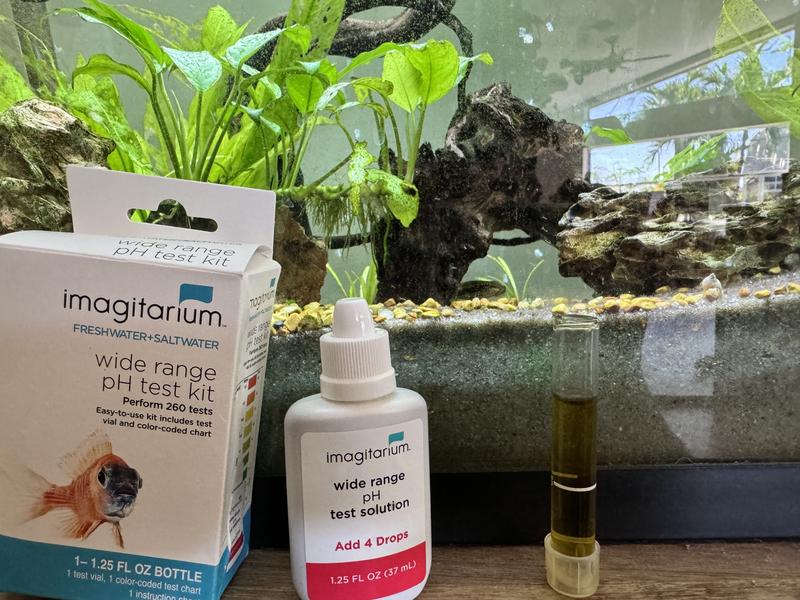
Good decisions start with reliable tests. Cheap strips can lie. Here’s what I recommend.
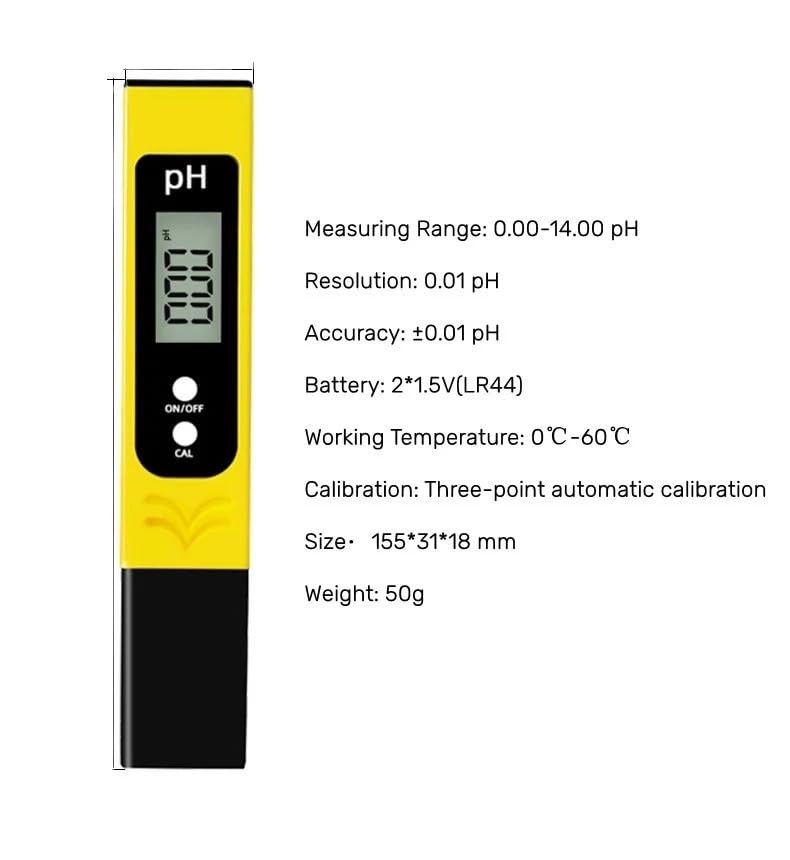
- Use a quality digital pH meter
Calibrate it weekly and rinse between tests for consistent readings. - Confirm with liquid test kits
Color kits are cheaper and useful as a backup to meters. - Track pH at different times
Test morning and evening to find daily swings. Record results for a week. - Test source water and tank water
Compare tap water pH and hardness to tank pH to spot source issues.
When I calibrate meters, I keep a log. Small meter drift can make a stable tank look unstable. Regular calibration saved me hours troubleshooting.

How to safely lower aquarium pH
Lowering pH too fast is risky. Follow slow, steady steps to protect fish and beneficial bacteria.
- Do gradual water changes
Replace 10 to 20 percent of water every few days with slightly lower-pH water. - Add peat moss in a filter bag
Peat releases tannic acids that slowly reduce pH and soften water. - Use reverse osmosis (RO) or deionized (DI) water
Mix RO water with tap water to lower hardness and pH without chemicals. - Introduce driftwood or almond leaves
Natural tannins lower pH gently and add color that many fish like. - Avoid acid drops as a long-term fix
Rapid pH drops stress fish. Use them only in extreme cases and with caution.
I once used RO water and peat to lower pH for a South American community tank. The change took three weeks and the fish showed no stress. Slow fixes work.

Preventing high pH long term
Prevention is easier than repair. Small habits keep pH stable for months and years.
- Test your tap water regularly
Seasonal shifts in source water can change pH and hardness. - Avoid alkaline substrates for soft-water fish
If you want soft water, choose inert soils or sand. - Keep evaporation in check
Top off with dechlorinated water, not plain tap that’s very hard. - Maintain steady CO2 for planted tanks
A drop checker and consistent CO2 dosing reduce daily swings. - Use buffers only with a plan
If you use a buffer, match it to your desired pH and monitor often.
I learned the hard way that topping off with hard tap water raised pH over months. Once I kept a bucket of treated water on hand, pH stayed stable.
Species that tolerate or prefer high pH
Sometimes high pH is not a problem. Many fish thrive in hard, alkaline water.
- African cichlids
These fish come from Rift Lakes with pH often above 8.0. - Livebearers like guppies and mollies
They do well in higher pH and hard water. - Salt-tolerant species and community mixes
A mixed tank with hardy species may not suffer from pH around 7.8–8.4.
Match your fish choice to your water. If you keep species that prefer high pH, adjust goals accordingly and avoid unnecessary changes.
Common mistakes and how to avoid them
Many hobbyists try quick fixes that create bigger problems. Learn from these common errors.
- Rapid pH changes
Avoid big changes in 24 hours. Move slowly to protect fish and bacteria. - Relying only on pH as a health metric
pH is useful but pair it with ammonia, nitrite, nitrate, and hardness tests. - Mixing chemical fixes with hard water
Adding acid drops into very hard water often gives short-lived results. - Ignoring buffer capacity (KH)
Low KH causes unstable pH. Know both pH and KH values. - Blaming fish behavior without testing
Changes in activity can mean many things. Test water before acting.
In one case a friend added acids to lower pH quickly. Her clown loaches stopped eating. After slowly reversing the change and stabilizing the water, the fish recovered.
Simple plan to troubleshoot high pH
Follow this step-by-step checklist to find and fix the cause of a high pH aquarium.
- Test tap water for pH, GH, and KH
- Test tank water at morning and night for one week
- Look for alkaline substrates or rocks in the tank
- Check for large plants or strong CO2 that might shift daytime pH upward
- Do small, frequent water changes or use RO water to lower hardness
- Add peat or driftwood for gentle acidification if needed
- Re-test weekly until pH stabilizes
This method helped me stabilize a stubborn community tank in under two months. Stick to a calm, steady plan.
When to seek expert help
Some problems need a pro. Consult a specialist if problems persist.
- pH remains unusually high after removing obvious causes
- Fish show severe stress or unexplained deaths
- You need to convert water for rare or sensitive species
- You suspect contaminated source water or irregular municipal treatment
A local aquatic store or experienced fish keeper can provide hands-on help and advanced testing.
Frequently Asked Questions about why is aquarium ph high
What common home factors cause a high aquarium pH?
Hard tap water, alkaline rocks or substrates, and evaporation that concentrates minerals are common causes of high pH.
Can plants lower aquarium pH?
Plants lower pH during the day by consuming CO2, but they can raise pH as CO2 levels fall or at night when respiration dominates.
Will frequent water changes fix high pH?
Frequent water changes with lower-pH or RO-mixed water can gradually reduce pH without stressing fish.
Is a high pH bad for every fish?
No. Some species like African cichlids and mollies prefer higher pH, while others need softer, slightly acidic water.
How fast should I change pH to avoid stressing fish?
Aim for very slow changes, such as 0.1–0.3 pH per day. Fast swings can shock fish and harm beneficial bacteria.
Conclusion
High aquarium pH has clear causes and safe fixes. Test your water, identify hard water or alkaline materials, and use slow, natural methods to lower pH when needed. My practical tip: always stabilize changes slowly and monitor daily until the tank shows steady readings. Start with simple tests today, and leave a comment or subscribe to learn more about keeping your aquarium healthy and stable.