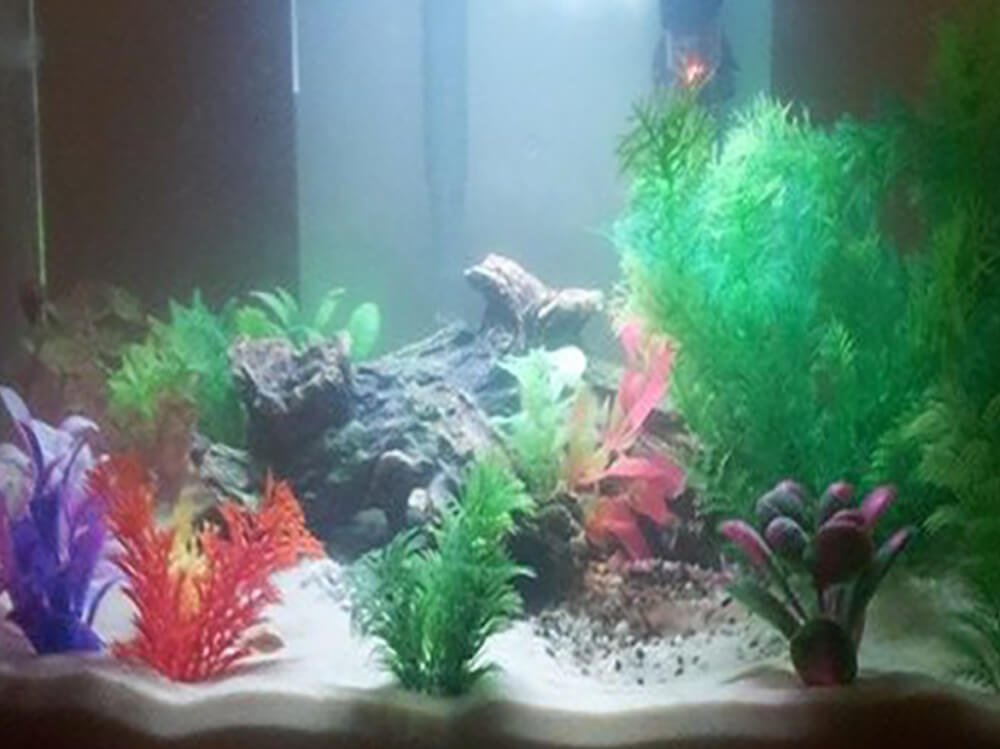
Cloudy water in a new tank is usually a harmless bacterial bloom or particulate from substrate.
I’ve set up dozens of aquariums, and I know how alarming cloudy water can feel when a new tank goes hazy. In this guide I’ll explain why is aquarium water cloudy in new tank, how to tell which type of cloudiness you have, safe steps to clear it, and how to prevent it next time. You’ll get practical, experience-based tips and clear actions you can take today to restore crystal-clear water and help your tank finish cycling the right way.
Common causes: why is aquarium water cloudy in new tank
New tanks go cloudy for a few predictable reasons. The top causes are bacterial bloom, fine substrate dust, dissolved organics from decorations, overfeeding, and leftover chemicals from cleaning. Understanding each cause helps you choose the right fix.
Bacterial bloom
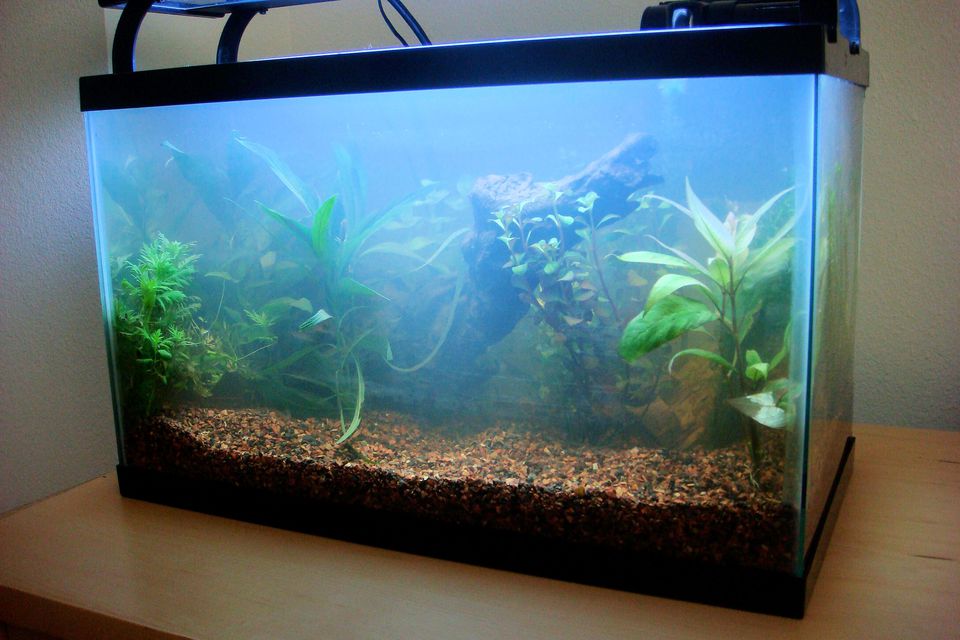
When beneficial bacteria multiply quickly, they can suspend in the water and make it look milky or gray. This is a normal part of the tank cycling process and often clears on its own as the filter matures.
Substrate dust and particles
Unrinsed gravel, sand, or crushed coral can release fine dust into the water. Those tiny particles scatter light and make water look cloudy for days.
Algae or green water
If the cloudiness is green and you have strong light, free-floating algae could be the reason. Green water is common if the tank gets too much light or excess nutrients are present.
Tannins and dissolved organics
Driftwood, peat, or some plants release tannins that tint water brownish. While not technically cloudy, tannins can reduce clarity and often show up in new setups.
Chemical residues
Residues from soap, polish, or additives on decor or equipment can also cloud water. Always rinse new items thoroughly before placing them in the tank.
Why is aquarium water cloudy in new tank often comes down to these simple, fixable issues. With the right steps you can clear the water without harming the developing bacteria or your future fish.
:strip_icc()/cloudy-aquarium-water-1378803-3736ff0eb5b34aa0907ae9df2882a86e.png)
Types of cloudiness and how to identify them
Knowing what kind of cloudiness you have helps you respond correctly. Here are the typical types and quick ways to identify each one.
White or milky cloudiness
Often a bacterial bloom. Water looks like milk or haze and may clear in a few days. Smell is usually neutral or slightly earthy.
Green water
This indicates free-floating algae. Water looks green and may tint the whole tank. It often reacts to light levels and nutrient control.
Brown or tea-colored water
Tannins from wood or leaves cause this. Water is clear but stained. It’s more cosmetic than dangerous.
Floating particles
Fine sand or dust leads to visible specks. Particles settle slowly or float when disturbed. Usually fixed by proper rinsing and filtration.
Match the appearance to the cause to avoid unnecessary treatments. For example, adding antibiotics for bacterial bloom can harm beneficial bacteria and delay cycling.

How to clear cloudy water safely
Follow these safe, step-by-step actions to clear cloudy water without disrupting the cycling process.
Test water first
Check ammonia, nitrite, nitrate, and pH. Tests tell you if the cycle is progressing and whether cloudiness is linked to spikes.
Do partial water changes
Replace 20–30% of water if cloudiness is severe or water chemistry is off. Use dechlorinated water that matches tank temperature to avoid shocks.
Rinse mechanical filter media only in tank water
If the filter collects visible debris, rinse the sponge or floss in removed tank water. Avoid using tap water, which can kill beneficial bacteria.
Increase gentle filtration and circulation
Add a temporary sponge filter or polish canister filters with fine mechanical media. Improved flow helps particles pass through the filter instead of floating.
Add live plants
Fast-growing plants compete with algae and reduce nutrients. Plants also stabilize water and speed up the tank’s natural balance.
Avoid chemical quick fixes unless necessary
Products promise to clear cloudiness fast, but they can mask problems or harm the cycling bacteria. Use them only as a last resort and with care.
Patience is often the best remedy for bacterial bloom. In my experience, a milky bloom cleared in four days with stable parameters and light trim, while a green water issue needed light reduction and fewer fish. Trust tests and small steps rather than dramatic changes.
Cycling basics: what to expect in a new tank
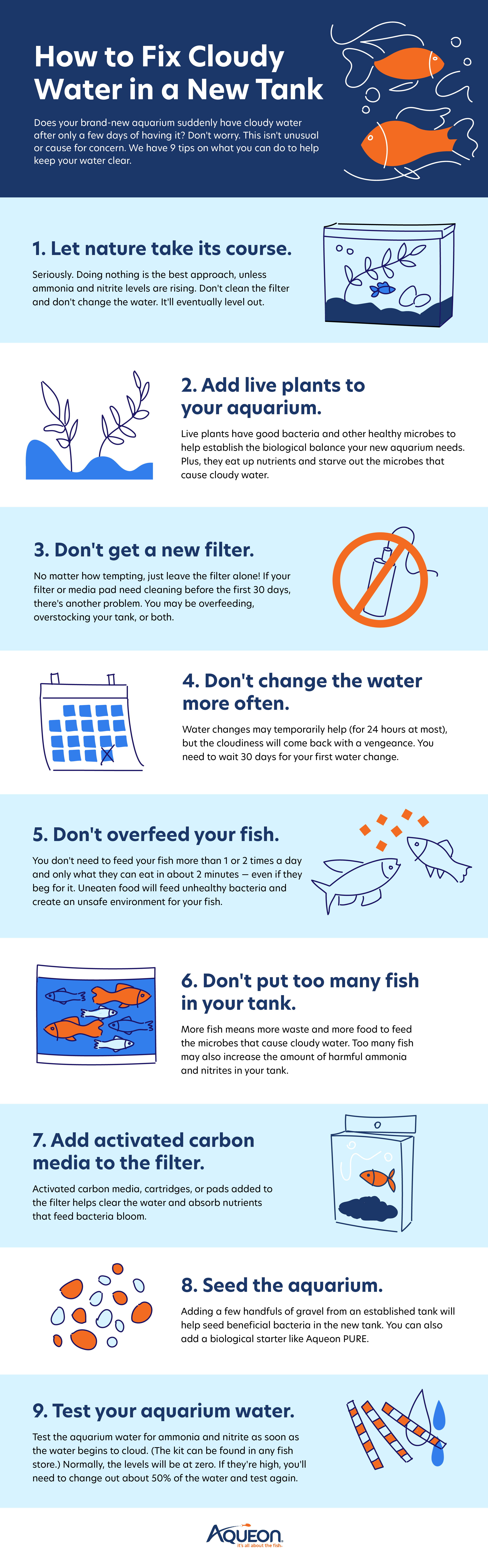
The nitrogen cycle underpins why is aquarium water cloudy in new tank. Knowing the cycle helps you read water changes and cloudiness correctly.
Stages of the cycle
Ammonia appears first from waste and decaying matter. Then nitrite rises as bacteria that feed on ammonia grow. Finally, nitrate increases and ammonia and nitrite fall as beneficial bacteria establish.
Typical timeline
A natural cycle often takes 4–8 weeks. Bacterial bloom and cloudy water commonly occur in the early weeks as populations surge.
Fishless cycling vs. fish-in cycling
Fishless cycling uses ammonia or a raw shrimp to build bacteria without stressing fish. Fish-in cycling works but needs careful monitoring and small water changes to protect fish.
Monitor and record
Test daily at first, then every few days. Keep a log of ammonia, nitrite, nitrate, and pH. This practice prevents overreaction to normal cloudiness.
Understanding the cycle helps you know when cloudy water is a normal sign of bacteria establishing and when it’s a problem that needs fixing.

Preventive measures to keep water clear
Preventing cloudiness is easier than fixing it. Use these best practices when setting up a new aquarium.
Rinse substrate and decor thoroughly
Wash gravel and sand until the water runs clear. Soak driftwood and rinse plants well before adding.
Seed the filter
Use filter media from an established tank or add a liquid bacterial starter. This helps beneficial bacteria colonize faster and reduces bloom time.
Start slowly with stocking
Add only a few hardy fish at first. Gradually increase the stock as the tank stabilizes to avoid nutrient overload.
Control feeding
Feed small amounts and remove uneaten food promptly. Excess food fuels algae and bacteria that cloud the water.
Use appropriate filtration
Match filter size to tank volume and stocking. Add mechanical media for fine particles and biological media for bacteria to colonize.
These steps reduce the chance that you’ll ask why is aquarium water cloudy in new tank five minutes after filling it.
Common mistakes and myths to avoid
Avoid these traps that can make cloudy water worse.
Over-cleaning the filter
Scrubbing all filter media with tap water can wipe out beneficial bacteria. Clean media gently in removed tank water.
Doing large water changes too often
Huge water changes stress bacteria and fish. Use modest, regular changes instead.
Using antibiotics or harsh chemicals casually
These can kill helpful bacteria. Only use medicated treatments when a true disease is diagnosed.
Believing “instant cycle” promises blindly
Some products can help, but no shortcut replaces time, stable conditions, and proper bacteria colonization.
Thinking cloudiness equals disease
Cloudy water is often a natural cycle sign. Use tests and observation before panicking.
I once emptied a tank after a milky bloom because I panicked. That wiped out bacteria and set me back weeks. Slow, informed steps work better.
Water testing: what to measure and when to act
Testing tells you whether cloudiness needs intervention. Keep these tests and thresholds in mind.
Essential tests
Ammonia, nitrite, nitrate, and pH. Test regularly during the first weeks and after any big change.
When to act
If ammonia or nitrite are above 0.25 ppm, do a partial water change and reduce feeding. If nitrate climbs above 40 ppm, do larger water changes and check stocking levels.
Record results
Track test results to see trends. Sudden spikes mean you should act; slow rises often resolve with time and plants.
Use test results to answer why is aquarium water cloudy in new tank and pick the safest fix.
Frequently Asked Questions of why is aquarium water cloudy in new tank
Why does my brand-new aquarium water look milky?
Milky water is usually a bacterial bloom as colonies establish. It often clears in a few days if water chemistry is stable.
Can I add fish while the tank is cloudy in the first week?
It’s best to wait until ammonia and nitrite are low or add only a few hardy fish. Cloudiness alone isn’t a reason to avoid stocking, but water chemistry should guide you.
Will water clarifiers solve cloudy water in a new tank?
Clarifiers can clump particles so filters remove them faster, but they can mask underlying issues. Use them sparingly and focus on proper filtration and cycling.
How long does cloudiness last in a new tank?
Cloudiness from bacterial bloom often lasts 2–7 days. Particle cloudiness from substrate may take several days to settle if filtration is weak.
Is green water harmful to fish?
Green water is usually not directly harmful, but it indicates excess nutrients and light. It can stress fish long-term and reduce oxygen levels at night.
Conclusion
Cloudy water in a new tank is usually a temporary sign that your aquarium is finding balance. Test regularly, rinse and filter well, avoid overfeeding, and be patient as beneficial bacteria establish. Take one steady action at a time and you’ll clear the haze without harming the cycle.
Start today by testing your water and doing a 20% water change if needed. If this guide helped, leave a comment with your tank size and symptoms, subscribe for more care tips, or try one suggested step and report back on how your water clears.