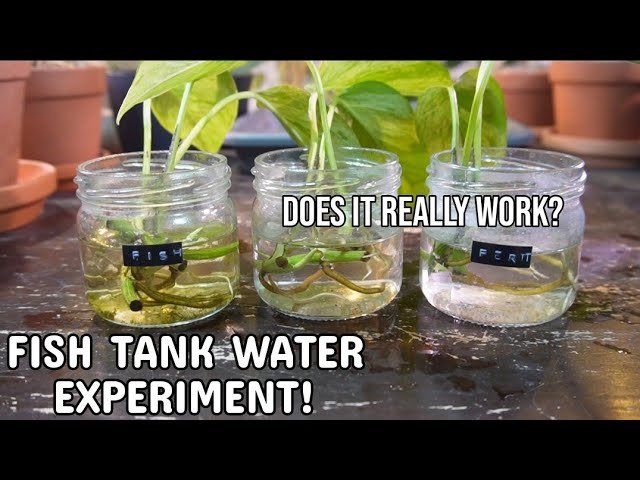
Aquarium water nourishes plants with fish waste, trace minerals, and beneficial microbes.
I have cared for aquariums and gardens for years. I know why aquarium water is good for plants. This guide explains the science, the practical steps, and the small risks. Read on to learn how to reuse tank water safely and give your plants a free boost.
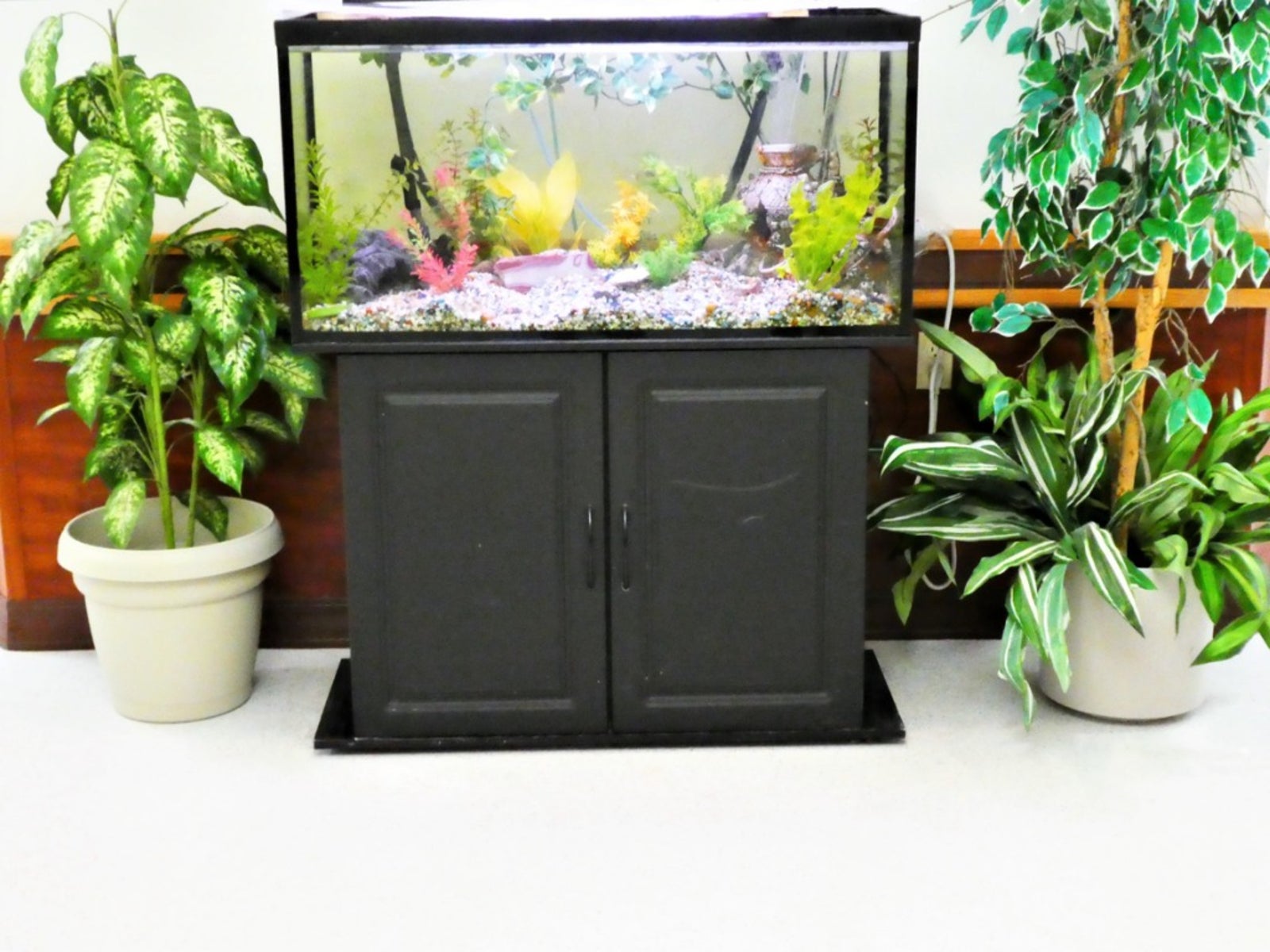
Why is aquarium water good for plants
One clear reason why is aquarium water good for plants is that it delivers nutrients gently.
Fish produce ammonia that turns into nitrite and then nitrate. Nitrate is a key nitrogen source for plants.
Aquarium water also carries phosphate, potassium, and trace minerals. These help leaf growth, root health, and blooms.
Beneficial microbes in tank water can improve soil life and help plants access nutrients more easily.

What nutrients and components are in aquarium water
Aquarium water has useful chemistry for plants. Short list of common components:
- Nitrate: a safe form of nitrogen plants use to make leaves.
- Phosphate: supports energy transfer and flowering.
- Potassium: helps overall plant strength and drought tolerance.
- Trace minerals: iron, magnesium, calcium, and others in small amounts.
- Organic matter and microbes: tiny bits of decayed food and bacteria that feed soil life.
These parts make aquarium water act like a mild, natural fertilizer. Understanding why is aquarium water good for plants starts with knowing these nutrients work together.
How to use aquarium water on plants (step-by-step)
Using tank water is simple and safe when done right. Follow these steps:
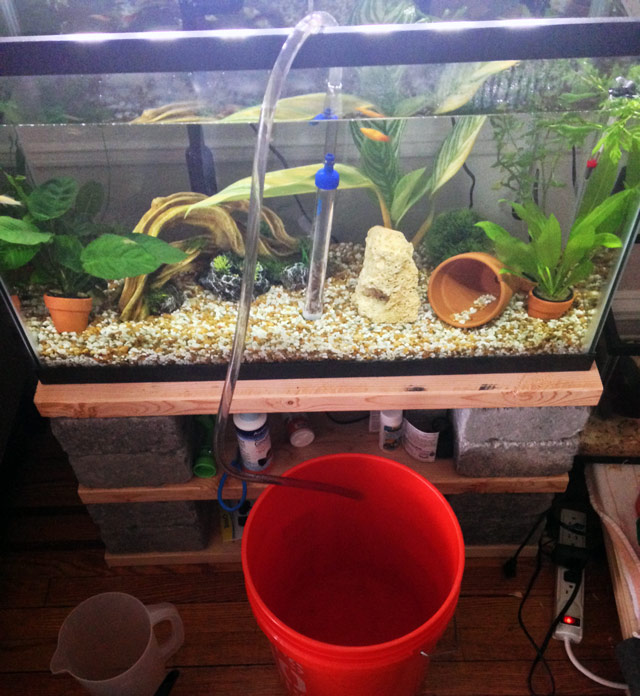
- Collect water: Scoop water during routine tank cleaning. Fresh water is best.
- Apply to soil: Pour directly onto the soil at the plant’s base. Avoid leaves to reduce mess and odors.
- Frequency: Use aquarium water once every 1–2 weeks for houseplants or container plants.
- Dilution: For seed starts or very young plants, dilute 50/50 with tap water.
- Storage: Use water within 24–48 hours. Stir or aerate if it smells strong.
These steps show in practice why is aquarium water good for plants: it provides steady nutrition without harsh chemicals.
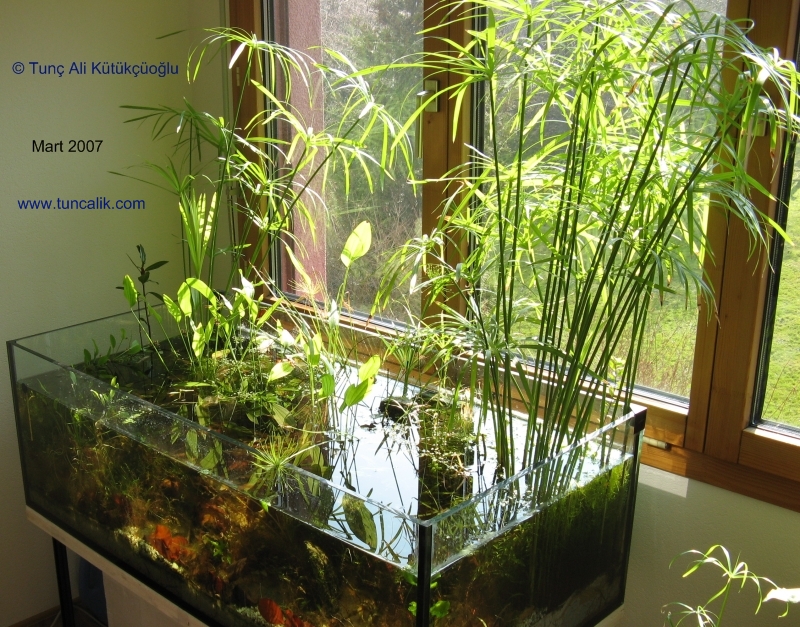
Best plants and uses for aquarium water
Some plants and settings benefit most from aquarium water. Good matches include:
- Houseplants: pothos, snake plants, spider plants, and philodendrons.
- Container vegetables: tomatoes, peppers, and basil in pots.
- Gardens: apply to established beds to boost growth.
- Seedlings: use diluted tank water to avoid burning young roots.
- Lawns and shrubs: occasional use can add slow nutrition.
Avoid using it as the only feed. Use aquarium water as part of a regular care plan to fully harness why is aquarium water good for plants.
When not to use aquarium water
There are times when aquarium water can harm more than help. Avoid use if:
- The tank holds sick fish or you recently treated it with antibiotics or copper.
- You use marine salt or heavy medications. Salt and meds can hurt plants and soil life.
- Ammonia or nitrite levels are very high. Fresh tank water should smell normal.
- You are watering seedlings without dilution. Strong nutrient water can burn small roots.
Knowing limits helps explain why is aquarium water good for plants in many cases, but not all.
Personal experience, tips, and mistakes to avoid
I have reused aquarium water for years on window-sill plants and garden pots. It helped plants green up fast. A few practical tips from my experience:
- Tip: Use water from regular partial changes. It saves time and water.
- Tip: Water soil, not leaves, to prevent algae growth on foliage.
- Mistake to avoid: Using water from tanks treated for disease. It can harm soil microbes.
- Tip: If the tank smells very fishy, aerate the water before using it on plants.
These lessons made clear to me why is aquarium water good for plants and how to do it without trouble.

Safety, environmental, and health considerations
Reusing aquarium water is eco-friendly, but stay cautious. Key points:
- Medications and salts: stop using tank water when either is present.
- Pathogens: rare risk. Avoid using tank water on edible crops without caution.
- Heavy metals: small aquaria rarely have harmful heavy metals, but if you use substrates or rocks that leach metals, test before widespread use.
- Odor and algae: long storage causes smell and algae. Use water quickly.
Being mindful of these issues keeps your reuse safe and explains where why is aquarium water good for plants applies best.

Frequently Asked Questions of why is aquarium water good for plants
Can aquarium water replace store-bought fertilizer?
Yes, it can partly replace fertilizer. Aquarium water supplies nitrogen, phosphate, and trace elements. Use it alongside occasional balanced fertilizer for best results.
Is aquarium water safe for edible plants?
Often yes, if the tank has no medications or heavy salt. Apply to soil, wash produce well, and avoid using water from treated tanks.
How much aquarium water should I use for houseplants?
Use about a cup or two per pot for small to medium houseplants every 1–2 weeks. Adjust by plant size and growth.
Will aquarium water cause odors or algae on plants?
Not if you pour on soil and do not overwater. Avoid leaving water on leaves. Use fresh water to minimize odors and algae.
Can saltwater aquarium water be used on plants?
No, avoid saltwater for most garden plants. Salt can harm soil microbes and plant roots. Freshwater tank water is best.
What if my tank has ammonia or nitrite?
Do not use water with high ammonia or nitrite. These indicate imbalance and can harm plants. Wait until levels are normal.
Conclusion
Aquarium water is a free, mild fertilizer rich in nitrate, phosphate, potassium, and trace minerals. It helps many houseplants, pots, and garden beds grow greener and stronger. Use it regularly but safely: avoid water from treated or salt tanks, dilute for seedlings, and pour to soil. Try reusing your next partial tank change and watch plants respond. Share your results or questions below, or subscribe for more practical tips on sustainable gardening.