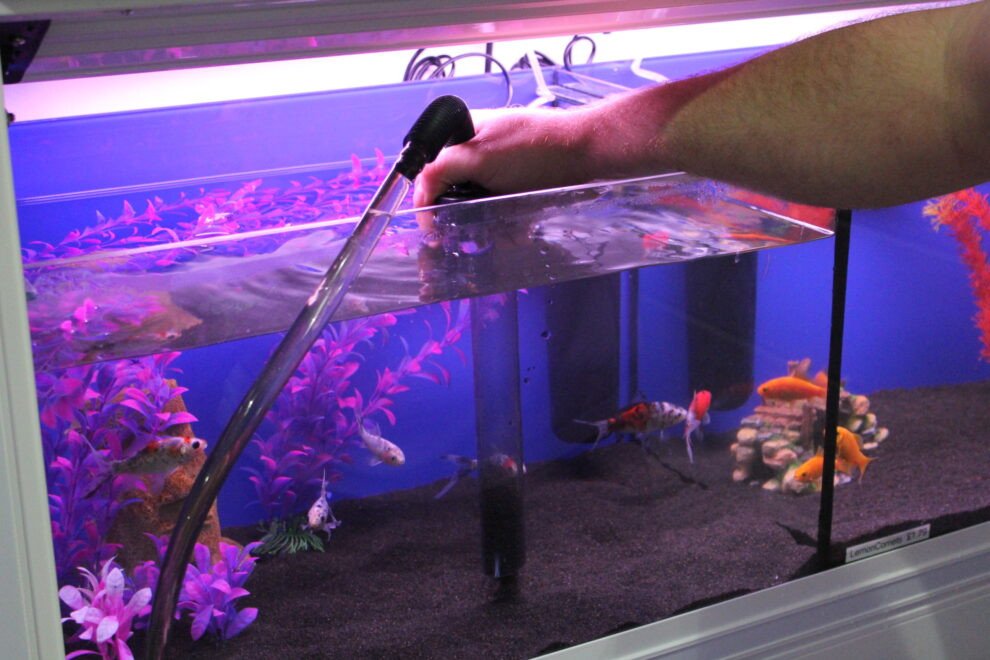
Water changes remove toxic waste buildup that your filter cannot, keeping your fish healthy and your tank stable.
As a long-time aquarium enthusiast, I've seen countless beginners struggle with the same problem: their fish get sick or their tank becomes an algae-filled mess, despite having a top-of-the-line filter. The missing piece of the puzzle is almost always the same. Understanding why water change aquarium maintenance is the most crucial task you'll perform is the key to unlocking a thriving, beautiful underwater world. This guide will walk you through the essential science behind this simple chore, revealing how it directly impacts the health of your fish and the stability of their home.
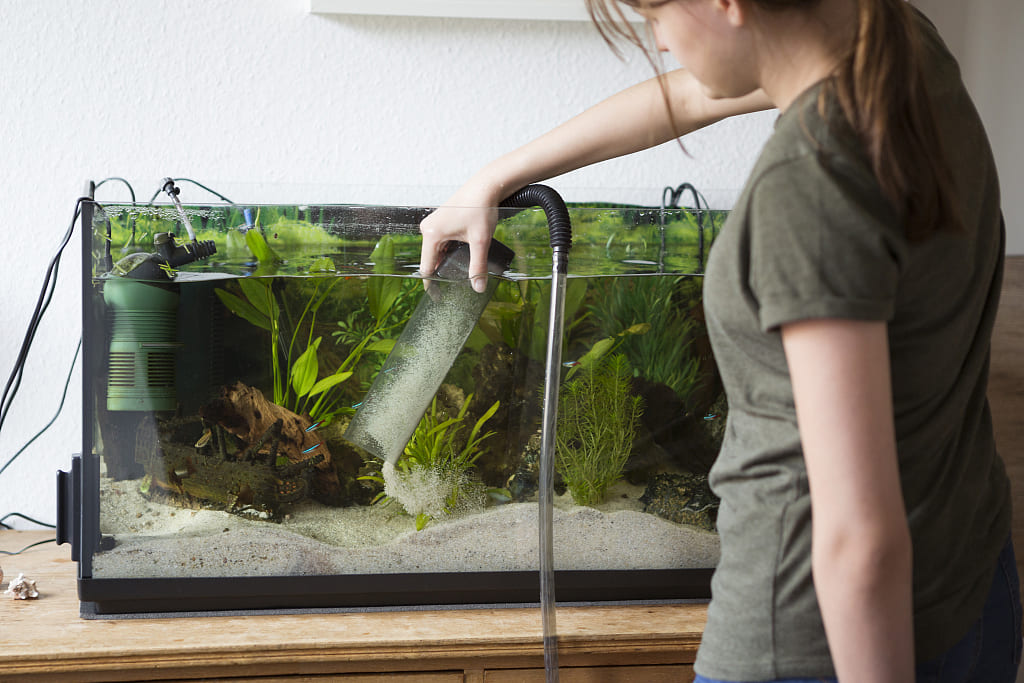
The Hidden Buildup: What Your Filter Misses
Many people believe a good filter is all they need. While filters are brilliant at removing physical debris like fish waste and uneaten food, they can’t remove everything. Think of your filter as a trash can; it collects the garbage, but you still need to take the garbage out of the house. This is the core reason for understanding why water change aquarium care is so vital.
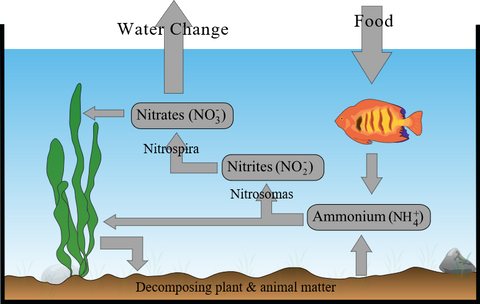
The biological part of your filter uses beneficial bacteria to convert highly toxic ammonia into nitrite, and then into a less harmful compound called nitrate. This is known as the nitrogen cycle. However, the cycle stops there. Nitrates will continue to accumulate in your aquarium water over time. While less toxic than ammonia, high levels of nitrates are a major source of stress for fish, weakening their immune systems and making them prone to disease. They are also a primary food source for nuisance algae.
A regular water change physically removes these dissolved compounds from the water column. It's the only practical way to dilute and get rid of:
- Nitrates that build up from fish waste.
- Phosphates that can enter through food and tap water.
- Dissolved organic compounds that can tint the water yellow.
By removing a portion of the old water and replacing it with fresh, clean water, you are essentially hitting the reset button on these accumulating toxins. This simple action is fundamental to long-term fish health and answers the question of why water change aquarium maintenance is non-negotiable.
Restoring the Good Stuff: Minerals and Buffers
Your aquarium is a closed ecosystem. Over time, fish, invertebrates, and live plants actively consume essential minerals and trace elements from the water to fuel their biological processes. Things like calcium and magnesium are crucial for proper bone and scale development in fish and for the shells of snails and shrimp.
Topping off evaporated water with new water does not replace these lost elements. In fact, it can make the problem worse by increasing the concentration of leftover compounds. A water change, on the other hand, does two things perfectly: it removes the bad stuff (like nitrates) and replenishes the good stuff.
Fresh water reintroduces vital minerals and helps stabilize the water's pH and hardness (KH/GH). These parameters can drift over time, and sudden shifts can be incredibly stressful for your fish. A consistent water change schedule helps maintain a stable, predictable environment, which is exactly what your aquatic pets need to thrive. My own experience with struggling shrimp colonies taught me this lesson; once I started using remineralized water for changes, their health and breeding rates improved dramatically. This is another key piece of the puzzle for why water change aquarium systems are so successful.

Boosting Fish Health and Preventing Disease
Have you ever noticed your fish looking lethargic, with faded colors or clamped fins? Often, poor water quality is the culprit. Living in a soup of high nitrates is like a person living in a room with poor air quality; it slowly wears you down. Consistently clean water has a direct and visible impact on your fish.
When you learn why water change aquarium routines are so important, you'll see the benefits firsthand:
- Brighter Colors: Fish often display their most vibrant colors when they feel safe and healthy.
- Increased Activity: Healthy fish are active and curious, not hiding in a corner.
- Stronger Appetite: A fish that is reluctant to eat is often a sign of stress from poor water conditions.
- Reduced Stress: Lowering nitrates and other toxins removes a major chronic stressor from their lives.
I remember a client's Betta fish that was listless and pale. They were convinced it was sick, but a quick water test showed extremely high nitrate levels. After performing a 50% water change and setting them up on a weekly schedule, they called me a week later to say the Betta was flaring, building bubble nests, and looked like a completely new fish. This powerful example shows why water change aquarium care is more than just cleaning—it's preventative medicine.
:strip_icc()/water-changes-1381886_final2-63b5961634e043cfb7bb233be39f4cc9.png)
A Practical Guide to Aquarium Water Changes
Now that you understand the "why," let's focus on the "how." The frequency and volume of your water changes depend on a few factors, but a good rule of thumb is a great place to start. For most aquariums, performing a 25-30% water change once a week is ideal.
Here’s how to tailor your routine:
- Tank Size and Stocking Level: A small, heavily stocked tank will need more frequent or larger water changes than a large, lightly stocked tank. More fish means more waste and faster nitrate accumulation.
- Live Plants: Heavily planted tanks can sometimes go longer between changes, as the plants consume some nitrates as fertilizer. However, they still benefit from the replenishment of trace elements.
- Water Testing: The best way to know for sure is to test your water. An aquarium water test kit will show you your nitrate levels. A good goal is to keep nitrates below 40 parts per million (ppm), and ideally below 20 ppm. If your nitrates are climbing too high between weekly changes, you may need to increase the frequency or volume.
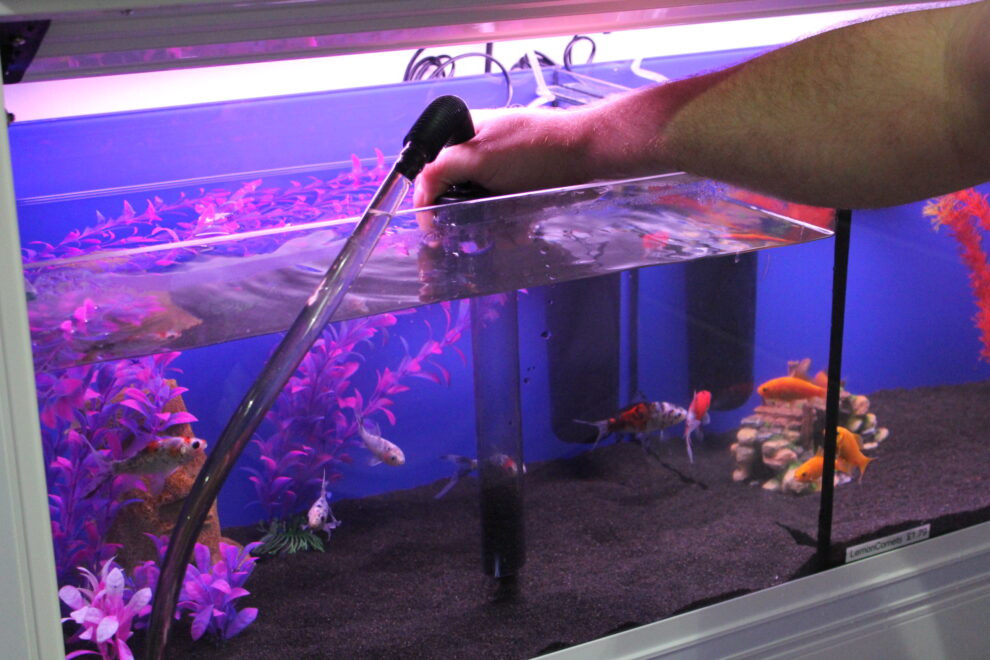
Performing the change is simple. Use a gravel vacuum to siphon out the old water from the bottom of the tank, which also cleans the substrate. Then, treat your new tap water with a water conditioner to remove chlorine and chloramine before slowly adding it back to the aquarium. This simple routine is the most impactful thing you can do for the health of your aquatic pets. Understanding why water change aquarium schedules are based on these factors empowers you to create the perfect environment.
Frequently Asked Questions of why water change aquarium
Can't my filter just handle everything?
Your filter is essential for processing toxic ammonia, but it cannot remove the final byproduct, nitrate. Water changes are the only effective way to physically remove nitrates and other dissolved pollutants from the water.
What happens if I just top off the evaporated water?
Topping off water only replaces the H2O that has evaporated, leaving behind all the concentrated nitrates, minerals, and pollutants. This can lead to a rapid decline in water quality and create an unstable environment for your fish.
How often should I really change my aquarium water?
For most tanks, a weekly water change of 25-30% is a fantastic starting point. However, this can vary based on your tank's size, the number of fish you have, and whether you have live plants.
Do I have to use a water conditioner?
Yes, you must always use a water conditioner. Tap water contains chlorine or chloramine to make it safe for us to drink, but these chemicals are highly toxic to fish and will kill the beneficial bacteria in your filter.
Will a water change crash my tank's cycle?
A properly performed water change will not harm your nitrogen cycle. The vast majority of your beneficial bacteria live in your filter media and on surfaces in your tank, not in the water column itself.
Conclusion
The simple act of changing your aquarium's water is the single most effective thing you can do to ensure a healthy, stable, and beautiful tank. It goes far beyond just cleaning; it's about removing invisible toxins like nitrates and replenishing the essential minerals your fish need to flourish. By diluting the bad and restoring the good, you create an environment where your fish can live long, vibrant lives free from stress and disease.
Don't wait for problems like algae blooms or sick fish to appear. Take control of your aquarium's health today by establishing a consistent water change schedule. Your fish will thank you for it with brilliant colors and energetic behavior. If you found this guide helpful, share it with a fellow hobbyist or leave a comment below with your own water change experiences