Activated carbon is used in aquarium filters to chemically remove dissolved impurities, odors, and discoloration from the water.
As a long-time aquarium hobbyist, I've seen firsthand the magic that a simple pouch of black granules can work. That "magic" is all about understanding why you should use carbon in an aquarium filter. It’s one of the most common, yet sometimes misunderstood, types of filter media. If you've ever wondered if you really need it, how it works, or when to use it for that crystal-clear water you see in show tanks, you're in the right place. We're going to dive deep into the science behind activated carbon and give you the practical knowledge to use it like a pro.
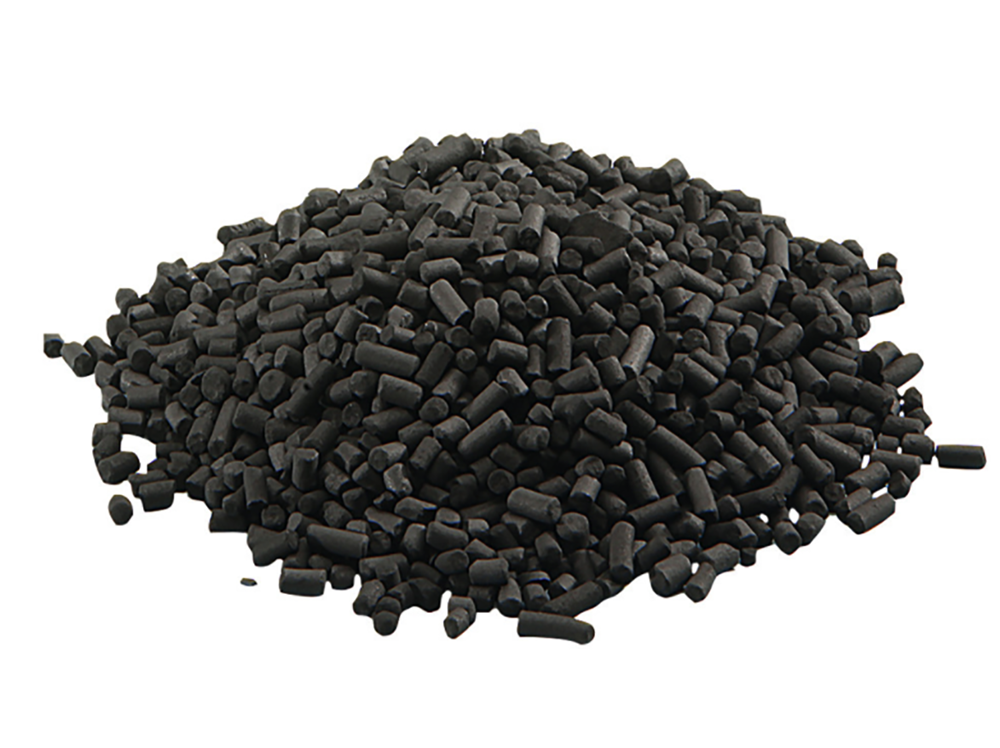
What Exactly Is Activated Carbon?
You might hear it called activated charcoal or just "carbon," but it's all the same powerful stuff. Think of activated carbon as a super-sponge for your aquarium water. It’s a form of carbon that has been processed at very high temperatures to create an incredibly porous surface. Each tiny granule is riddled with millions of microscopic pores, which dramatically increases its surface area.
To put it into perspective, just one gram of activated carbon can have a surface area equivalent to a football field. This massive surface area is the secret to its filtering power. It’s not just burnt wood; it's a highly engineered material designed to grab and hold onto specific types of impurities, making it a cornerstone of chemical filtration in the aquarium hobby. This is a key reason why you use carbon in an aquarium filter.

How Does Activated Carbon Work in Your Aquarium?
The process activated carbon uses is called adsorption, which is different from absorption. While a sponge absorbs water by soaking it up, activated carbon adsorbs pollutants by chemically binding them to its surface. The dissolved organic compounds, medications, and tannins floating in your water are attracted to the carbon's surface and get stuck in its vast network of pores.
Here’s a breakdown of what it targets:
- Dissolved Organic Compounds (DOCs): These are waste products from fish, uneaten food, and decaying plants. They are a primary cause of yellow or brownish water.
- Tannins: Released from driftwood, tannins can give your water a tea-like color. While harmless, many aquarists prefer a clear look.
- Odors: Carbon is excellent at removing the organic compounds that cause that "fishy" smell.
- Medications: After treating your fish for an illness, carbon effectively removes any lingering medicines from the water column.
- Chlorine and Chloramine: While your water conditioner should handle this, carbon provides an extra layer of protection against these harmful chemicals.
It’s just as important to know what carbon doesn't remove. It will not remove ammonia, nitrite, or nitrate. Your biological filter, which houses beneficial bacteria, is responsible for handling those through the nitrogen cycle. Carbon leaves these essential compounds and your beneficial bacteria alone. This selective filtering is a huge part of why you use carbon in an aquarium filter.
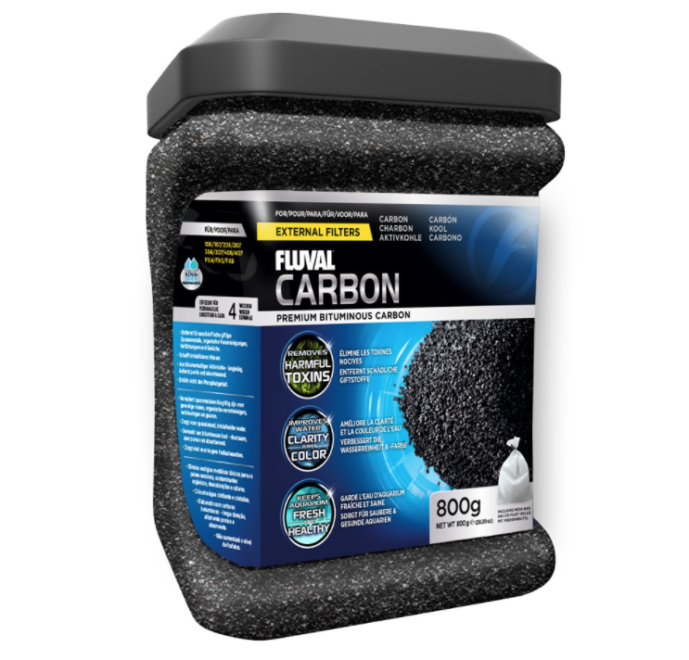
The Key Benefits of Using Carbon in Your Filter
Adding carbon to your filter isn't just a random step; it provides tangible benefits that you can see and smell. For anyone debating why you should use carbon in an aquarium filter, these advantages often seal the deal.
- Achieving Crystal Clear Water: This is the most visible benefit. I remember adding a beautiful piece of Mopani wood to my first planted tank. Within a day, the water was a deep brown. While some people like that "blackwater" look, I wanted clarity. A small bag of activated carbon in my filter had the water sparkling clear in less than 48 hours.
- Eliminating Unpleasant Odors: A healthy aquarium shouldn't have a strong, unpleasant smell. If your tank develops a swampy or overly fishy odor, it’s often due to excess DOCs. Carbon acts like a deodorizer, trapping the molecules responsible for the smell and leaving your tank smelling fresh and clean.
- Removing Medications Post-Treatment: This is a critical use. When you treat your fish with medication, those chemicals can linger long after the illness is gone. Using carbon after the treatment course is complete is the best way to pull out any residual medicine, preventing it from stressing your fish or harming your beneficial bacteria over the long term.
- Improving Overall Water Purity: While you can't see them, countless pollutants can find their way into your tank, from household aerosols to trace chemicals in your tap water. Carbon acts as a polisher, grabbing these miscellaneous impurities and contributing to a healthier, more stable environment for your aquatic pets.
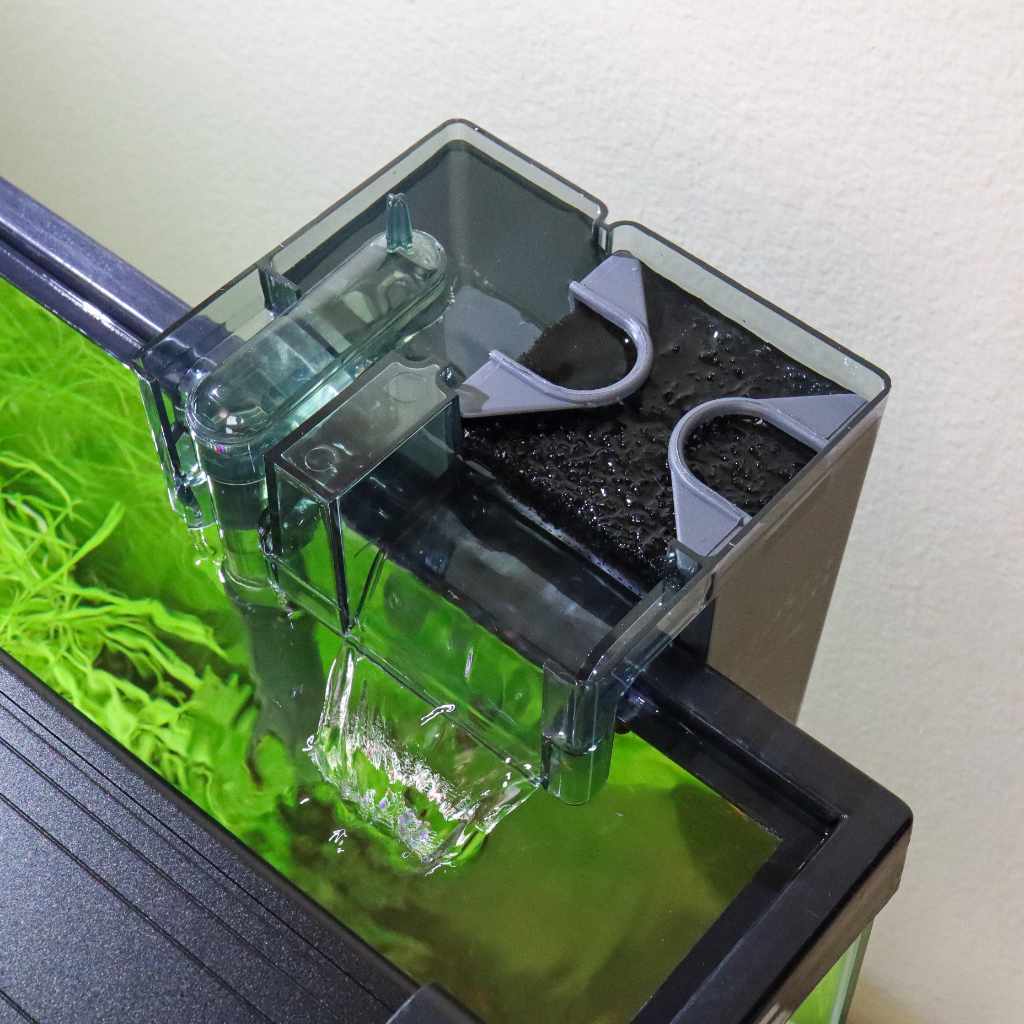
When Should You Use Activated Carbon?
The debate over whether to use carbon continuously or only when needed is a long-standing one in the hobby. The truth is, both approaches are valid, and the best choice depends on your goals. Understanding the specific situations is central to knowing why you use carbon in an aquarium filter effectively.
I personally use it in most of my display tanks full-time for that polished look, but I'll skip it in my breeding tanks where I'm less concerned with aesthetics. Here are the most common scenarios for using it:
- For Routine Maintenance: Many aquarists, myself included, keep a bag of carbon in their filter at all times. They replace it every 3-4 weeks to maintain consistently clear, odor-free water. This proactive approach prevents water from ever looking or smelling bad.
- After a Medication Cycle: This is non-negotiable. Once your fish have recovered and the treatment period is over, you must add fresh carbon to adsorb all the leftover medication from the water.
- To Clear Up Discolored Water: If you've just added new driftwood or are dealing with a bacterial bloom that has left your water cloudy or tinted, carbon can speed up the clearing process significantly.
- When Odors Become a Problem: If you walk by your tank and notice an off-putting smell, adding a fresh bag of carbon is a quick and effective fix.

Common Mistakes to Avoid with Aquarium Carbon
Activated carbon is an amazing tool, but using it incorrectly can either render it useless or, in some cases, cause problems. Over the years, I've learned a few things, sometimes the hard way, that I want to share so you can avoid these common pitfalls.
- Forgetting to Replace It: Carbon's pores eventually become full. Once saturated, it can't adsorb any more impurities. Worse, in rare cases, a major change in water chemistry could cause it to release some of what it has trapped. A good rule of thumb is to replace it every 2-4 weeks.
- Using It While Medicating: This is the biggest mistake I see beginners make. If you have carbon in your filter while adding medication, the carbon will simply remove the medicine from the water, making your treatment completely ineffective. Always remove it before you dose.
- Not Rinsing It First: Activated carbon is dusty. If you put it straight into your filter, a cloud of black dust will shoot into your tank. Always rinse the carbon pouch thoroughly in a bucket of used tank water or dechlorinated tap water until the water runs clear.
- Relying on It as a Crutch: Carbon is for chemical filtration, not a substitute for biological filtration or good maintenance. It won't fix high ammonia or nitrate levels. Regular water changes and proper tank maintenance are still the most important things you can do for your fish. Understanding why you use carbon in an aquarium filter means knowing its role and its limits.
Frequently Asked Questions
Is activated carbon necessary for every aquarium?
No, it is not strictly necessary. Many successful aquariums run perfectly well without it, relying solely on biological filtration and regular water changes. However, it is a highly effective tool for achieving superior water clarity and removing odors.
How often should I replace the carbon in my filter?
On average, activated carbon should be replaced every two to four weeks. After this period, its pores become saturated with pollutants and it loses its effectiveness at adsorbing new impurities.
Will activated carbon remove beneficial bacteria?
No, it will not. Beneficial bacteria live primarily on surfaces within your filter media, substrate, and decorations. Carbon only adsorbs dissolved compounds from the water column and does not harm your biological filter.
Can I reuse activated carbon?
No, you cannot effectively reuse it for aquarium purposes. While it can be "recharged" at extremely high temperatures in industrial settings, simply rinsing or baking it at home will not clear its saturated pores.
Does activated carbon affect water parameters like pH?
Most high-quality activated carbons are pH neutral and will not impact your water parameters. Some lower-quality or specialized carbons might slightly alter pH, so it's always best to use a reputable brand designed for aquarium use.
Conclusion
Understanding why you should use carbon in an aquarium filter empowers you to take your tank's health and appearance to the next level. It's not a magic bullet, but it is an incredibly efficient chemical filter media for polishing your water, eliminating smells, and cleaning up after medication. By adsorbing the dissolved impurities that mechanical and biological filtration leave behind, it provides that final touch for a truly pristine aquatic environment.
Now that you know the ins and outs, consider your own aquarium. Could it benefit from the clarifying power of activated carbon? Try adding a small, rinsed bag to your filter during your next maintenance day and see the difference for yourself. We'd love to hear about your experiences, so feel free to share your results in the comments below