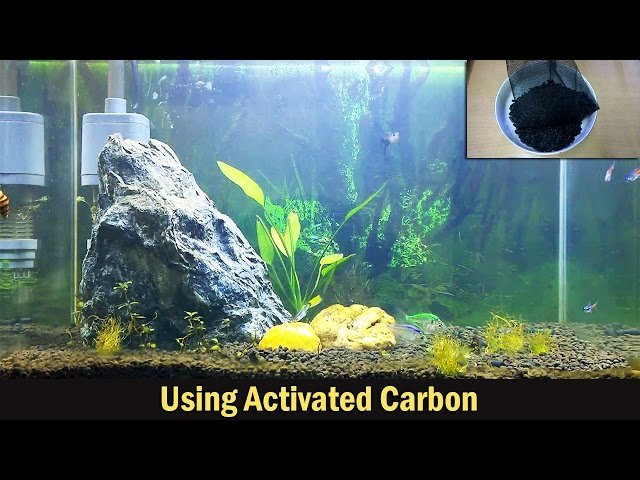
Activated carbon is used in aquariums to remove dissolved organic compounds, odors, and discoloration from the water.
As a long-time aquarium hobbyist, I've seen my fair share of cloudy, yellow-tinted water that just won't clear up, no matter how many water changes I do. It’s a frustrating experience that can make a beautiful tank look neglected. The secret weapon I learned to rely on is activated carbon. Understanding why use activated carbon in aquarium filtration is one of those game-changing moments for any fish keeper. In this guide, I'll walk you through exactly what it is, how it works, and how you can use it to achieve that crystal-clear water you've been dreaming of.

What Is Activated Carbon and How Does It Work?
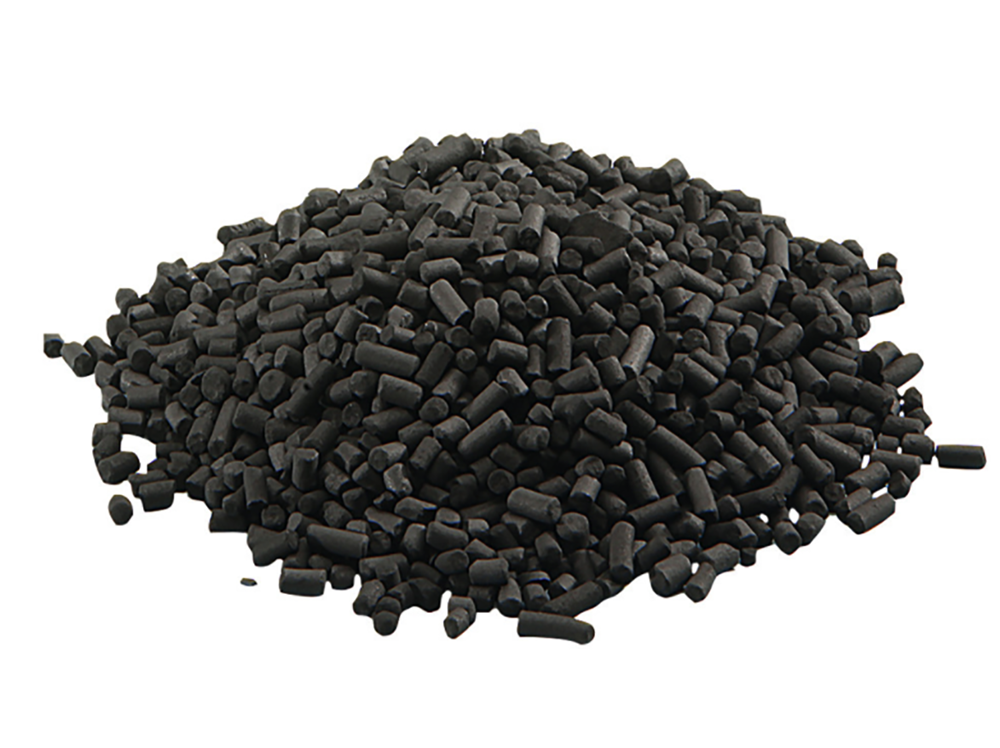
Activated carbon might just look like small, black granules, but it's a powerhouse of purification. Think of it as a super-sponge for your aquarium water. It is created from carbon-rich materials like coal, wood, or coconut shells that are heated to very high temperatures in a low-oxygen environment. This process creates a material that is incredibly porous.
The magic happens through a process called adsorption. Unlike absorption, where one substance soaks into another (like a paper towel soaking up water), adsorption is when pollutants stick to the surface of something. The vast network of microscopic pores in activated carbon provides a massive surface area. As water flows through it, dissolved organic compounds, tannins that turn water yellow, and smelly molecules get trapped in these pores, leaving your water cleaner and clearer.
This simple yet effective process is a cornerstone of chemical filtration. It targets the tiny impurities that mechanical filters miss and that biological filters don't process. This is a key reason why use activated carbon in aquarium setups is so popular among both beginners and seasoned aquarists.

The Key Benefits of Using Activated Carbon in Your Aquarium
Adding activated carbon to your filter isn't just about making the water look good; it directly contributes to a healthier environment for your fish. Over the years, I've found its benefits to be consistent and noticeable. Let's break down the main advantages.
- Achieving Crystal-Clear Water: The most visible benefit is water clarity. Activated carbon excels at removing tannins, which are released by driftwood and can give your water a yellow or brownish tint. It also removes other dissolved organic compounds that cause cloudiness, resulting in sparkling, clear water that makes your fish and plants pop.
- Eliminating Unpleasant Odors: A healthy aquarium shouldn't have a strong, fishy smell. If you notice an earthy or swampy odor, it’s often due to dissolved organic waste. Activated carbon effectively traps the compounds responsible for these smells, leaving your tank smelling fresh and clean.
- Removing Medications and Treatments: This is a critical reason why use activated carbon in aquarium care. After treating your fish for an illness like ich or a fungal infection, leftover medication can stress your fish and harm your beneficial bacteria. Running carbon in your filter for a few days will pull those residual chemicals right out of the water column.
- Reducing Harmful Contaminants: While it doesn't remove ammonia, nitrite, or nitrate, activated carbon can adsorb a range of other potential toxins. This includes things like pesticides that might enter the tank through new plants or even certain compounds released by aquarium decor over time.
When and How to Use Activated Carbon Correctly
Using activated carbon is simple, but a few best practices will ensure you get the most out of it. Improper use can make it ineffective or, in rare cases, counterproductive. Think of it as a tool that works best when you know how to handle it properly.
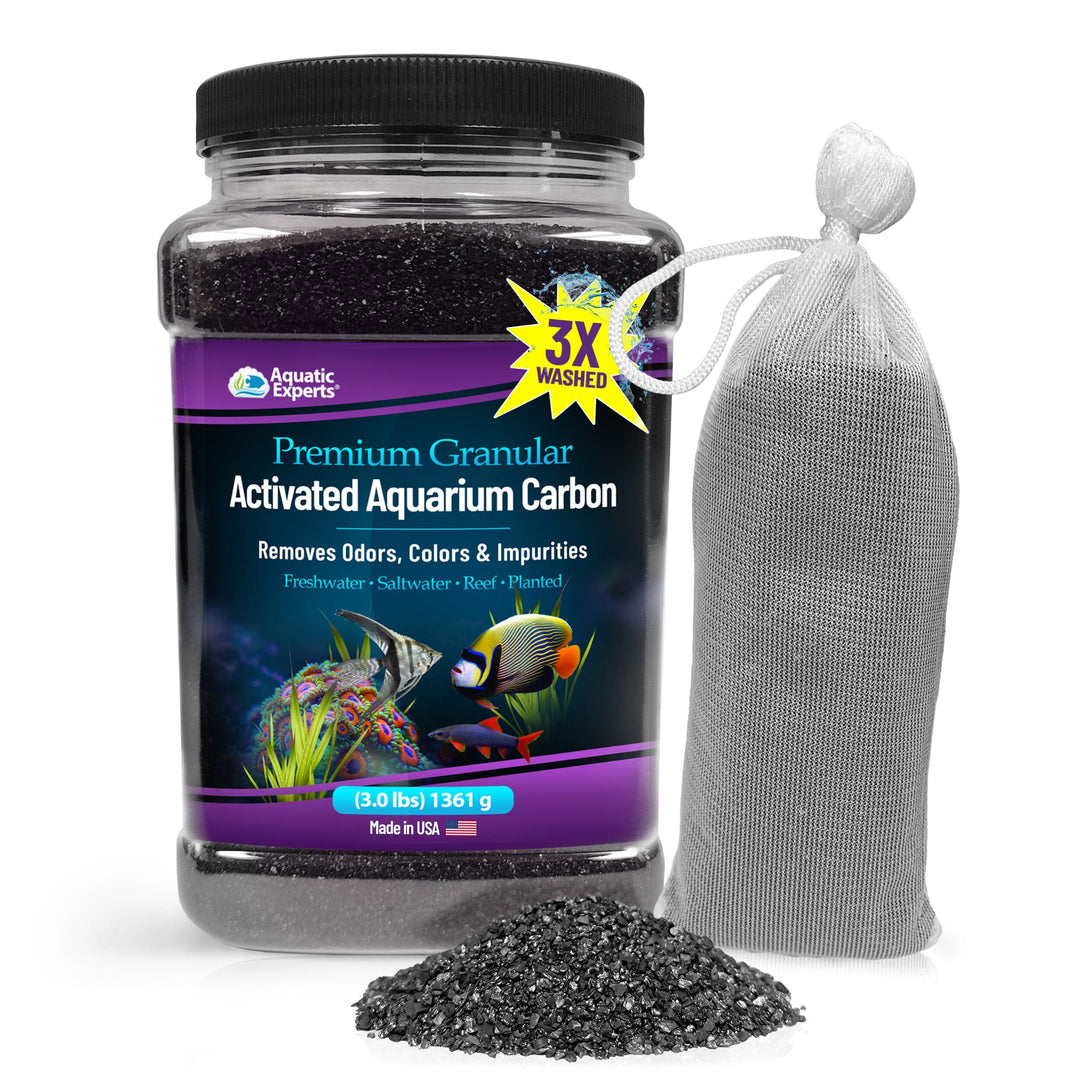
First, always rinse the carbon before placing it in your filter. It often comes with fine black dust that can cloud your tank if not washed off. Simply place the carbon in a media bag and run it under cool tap water until the water runs clear. This step is non-negotiable for me; I learned the hard way after turning a tank into a gray mess.
Next, place the media bag in your filter where water will flow through it efficiently. The ideal spot is usually after your mechanical filtration (like sponges or filter floss) but before your biological media (like ceramic rings). This way, the carbon isn't clogged with large debris and can focus on trapping dissolved impurities. This placement helps explain why use activated carbon in aquarium filters is so effective.
Finally, remember that activated carbon has a limited lifespan. Its pores eventually fill up, and it can no longer adsorb pollutants. For an average tank, you should replace it every 3 to 4 weeks. Leaving it in too long won't harm your tank, but it will stop working, rendering it useless.

Common Myths and Misconceptions About Activated Carbon
The aquarium hobby is full of information, and sometimes myths get passed around as facts. Activated carbon is a topic with a few persistent misconceptions. Let's clear the air on some of the most common ones so you can feel confident about your decision.
One popular myth is that old carbon will "leach" all the trapped toxins back into the water. This is highly unlikely under normal aquarium conditions. The adsorption process creates a strong bond. While not impossible, it would require a significant change in water chemistry for the carbon to release what it has collected. It simply stops working once it's full.
Another concern is that activated carbon removes essential trace elements that plants and invertebrates need. While it can remove some trace elements, the impact in a well-maintained aquarium with regular water changes and proper fertilization is minimal. The benefits of removing harmful organic compounds far outweigh the minor removal of some trace elements.
Finally, some hobbyists believe you must run carbon 24/7. This isn't true. Many successful aquarists use it only when needed—to clear up cloudy water, remove a bad smell, or after a medication cycle. Understanding why use activated carbon in aquarium setups is about knowing it's a tool, not a mandatory, full-time component.
Frequently Asked Questions of why use activated carbon in aquarium
How often should I change the activated carbon in my aquarium?
You should replace activated carbon every 3 to 4 weeks. After this period, its pores become saturated with impurities and it is no longer effective at cleaning the water.
Can activated carbon remove ammonia or nitrites?
No, activated carbon does not remove ammonia, nitrite, or nitrate from aquarium water. These compounds must be processed by the beneficial bacteria in your biological filter.
Is it necessary to use activated carbon all the time?
It is not necessary to run activated carbon continuously. Many aquarists use it periodically to clear up water, remove odors, or after medicating the tank.
Will activated carbon harm my live plants?
Activated carbon will not harm your live plants. While it may remove a very small amount of trace elements, this is easily replenished with regular fertilization and water changes.
Do I need to rinse activated carbon before using it?
Yes, you should always rinse activated carbon thoroughly with cool tap water before adding it to your filter. This removes the fine dust that can otherwise cloud your aquarium water.
Conclusion
The debate over using activated carbon can seem complex, but its purpose is refreshingly simple: it makes your aquarium water cleaner, clearer, and healthier for your fish. From polishing the water to a crystal-clear shine to removing nasty odors and leftover medications, it’s an invaluable tool in any fish keeper’s arsenal. By understanding how it works and how to use it correctly, you can solve common problems and maintain a pristine aquatic environment.
Now that you know why use activated carbon in aquarium care is so beneficial, consider adding it to your filtration routine. You might be surprised at the difference it makes.
Have you used activated carbon in your tank? Share your experiences or ask any questions in the comments below