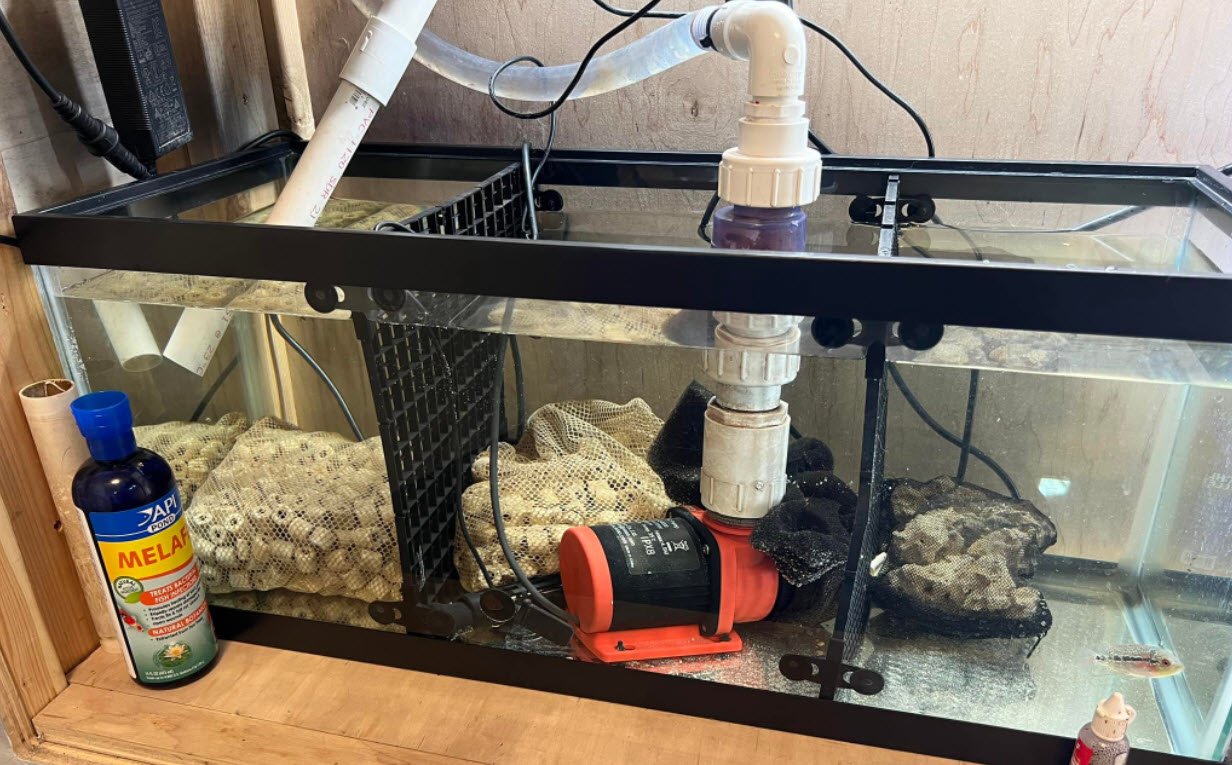
A sump provides superior filtration, increases water volume, and hides unsightly equipment for a cleaner aquarium aesthetic.
As an aquarist with years of experience, I've seen countless tanks, from simple betta bowls to complex reef ecosystems. One of the biggest leaps forward any hobbyist can make, especially with larger or more sensitive setups, is understanding why to use a sump for an aquarium. It might seem like an overly complicated piece of gear reserved for the pros, but it's actually a game-changing tool that simplifies maintenance and creates a healthier environment for your aquatic pets. If you're wondering how to take your tank to the next level of stability and beauty, exploring the reasons why you should use a sump for an aquarium is the perfect place to start.

What Exactly is an Aquarium Sump?
Think of a sump as the "behind-the-scenes" command center for your aquarium. It’s essentially a separate, smaller tank, usually hidden away in the cabinet beneath your main display tank. Water from the main aquarium drains down into the sump, passes through various filtration chambers, and is then pumped back up into the display tank.
This simple concept opens up a world of possibilities that you just can't get with traditional hang-on-back or canister filters. It’s not just a filter; it's a life support system that allows for incredible customization and control. My first sump installation felt like unlocking a secret level in the aquarium hobby, giving me space and flexibility I never had before.

The Top 5 Reasons Why You Should Use a Sump for Your Aquarium
So, you understand what it is, but the real question is, why use a sump for an aquarium? The benefits go far beyond simple water cleaning. A sump fundamentally changes how your aquarium functions, making it more stable, healthier, and easier to manage in the long run. Let's dive into the key advantages.
Superior Filtration and Customization
This is the number one reason hobbyists make the switch. Unlike a self-contained canister filter with limited space, a sump is a blank canvas. You can dedicate different chambers to different types of filtration, creating a multi-stage process that is far more effective.
- Mechanical Filtration: You can use filter socks or filter floss in the first chamber to catch large debris like uneaten food and waste before it breaks down.
- Chemical Filtration: A dedicated chamber can hold large amounts of activated carbon, GFO (Granular Ferric Oxide), or other media to remove impurities, odors, and phosphates.
- Biological Filtration: You have ample room for high-quality biological media like ceramic rings or marine pure blocks, providing a massive surface area for beneficial bacteria to colonize. This is the heart of your nitrogen cycle.
Increased Total Water Volume
A larger volume of water is always more stable. Think of it like this: a drop of food coloring will instantly change the color of a small glass of water, but it will have almost no effect on a swimming pool. The same principle applies to your aquarium's water chemistry.
Adding a sump can increase your total system volume by 10 to 25 percent or even more. This extra water acts as a buffer, making the system less susceptible to sudden swings in temperature, pH, salinity, or nutrient levels. This stability is crucial for sensitive fish and corals, and it’s a key reason why using a sump for an aquarium is so popular in the reefing community.
A Clean, Uncluttered Display Tank
One of the most immediate and satisfying benefits of a sump is the aesthetic improvement. All the clunky, ugly equipment that normally clutters up your beautiful display tank can be moved downstairs into the sump.
Imagine your main tank with no visible heaters, protein skimmers, filter intakes, or probes. All you see are your fish, corals, and aquascape. The water drains discreetly through an overflow box and returns via a small, unobtrusive nozzle. This clean look is something you simply cannot achieve with other filtration methods and is a major factor in the decision of why to use a sump for an aquarium.
Stable Water Parameters
Because a sump increases water volume and allows you to house more equipment, it contributes directly to more stable water parameters. Heaters in the sump provide more even heat distribution throughout the entire system, eliminating hot spots. An auto top-off (ATO) system can be easily installed in the sump to automatically replace evaporated water, keeping your salinity rock-solid.
This consistency reduces stress on your aquatic inhabitants. In my experience, fish are more colorful and corals show better growth and polyp extension in a system with the kind of stability a sump provides. It takes the guesswork out of daily maintenance.
The Perfect Home for a Refugium
A refugium is a dedicated chamber within your sump that serves as a protected "refuge" for beneficial processes. It is often lit on a reverse light cycle from the main tank and can be used to grow macroalgae like chaetomorpha. This algae consumes nitrates and phosphates, acting as a natural and continuous form of nutrient export.
This little ecosystem also becomes a breeding ground for helpful micro-fauna like copepods and amphipods. These tiny creatures serve as a free, live food source that gets pumped up to your main tank, delighting fish and corals. A refugium is one of the most powerful tools for natural filtration, and it's another fantastic reason why to use a sump for an aquarium.

How Does an Aquarium Sump System Work?
The process might sound complex, but it's elegantly simple. It all relies on gravity and a single pump.
- The Overflow: Water in your display tank rises to the level of an overflow box. This box skims water from the surface, removing oily films, and lets it drain down a pipe into the sump.
- The Sump Chambers: The water flows through the different chambers you've set up. It typically passes through a mechanical filter first, then a section for equipment like a protein skimmer and heater, and finally through the biological or chemical media.
- The Return Pump: In the final chamber sits a return pump. This pump pushes the clean, treated water back up a hose or pipe and into the display tank. This cycle runs continuously, 24/7.

Are There Any Downsides to Using a Sump?
To give a balanced view, it's important to acknowledge potential challenges. The primary concerns are cost and complexity. A sump setup, including the tank, plumbing, and a good return pump, can be more expensive upfront than a canister filter.
There is also a learning curve with plumbing and tuning the overflow to run silently. The risk of an overflow or a back-siphon during a power outage is real, but it can be completely mitigated with proper setup, including check valves and drilling a siphon break. While these are valid considerations, for many aquarists, the long-term benefits of stability and health far outweigh the initial setup hurdles. It really solidifies the case for why to use a sump for an aquarium.

Frequently Asked Questions about why use a sump for an aquarium
Do I need a sump for a freshwater aquarium?
While most common in saltwater and reef tanks, sumps are incredibly beneficial for freshwater setups, especially large or heavily stocked ones like cichlid tanks. They provide the same benefits of increased water volume, hidden equipment, and superior filtration capacity.
Can a sump overflow?
A properly set up sump should never overflow. The key is to ensure the sump has enough spare volume to hold the water that drains back from the display tank during a power outage.
What size sump do I need?
A good rule of thumb is to aim for a sump that is at least 25% of your main tank's volume. However, bigger is almost always better, as it gives you more room for equipment and increases your total water volume.
Is a sump better than a canister filter?
For larger tanks or sensitive ecosystems, a sump is generally considered superior due to its customizability, volume, and ability to house more equipment. Canister filters are great for smaller to mid-sized tanks but lack the flexibility of a sump system.
Are sumps noisy?
They can be if not set up correctly. Most noise comes from the water draining into the overflow. Modern overflow systems like the Herbie or BeanAnimal style are designed to be completely silent.
Conclusion
Deciding why to use a sump for an aquarium ultimately comes down to creating the best possible environment for your aquatic life. It’s an investment in stability, health, and the long-term success of your hobby. By hiding equipment, increasing water volume, and providing a platform for superior, customizable filtration, a sump transforms your tank from a simple glass box into a thriving, balanced ecosystem.
If you are serious about aquarium keeping and want to provide the most stable and pristine home for your fish or corals, it's time to seriously consider making the leap. Explore some sump designs, watch a few setup videos, and see how this amazing tool can revolutionize your tank. Your fish will thank you for it.