
Moss balls improve water quality, provide a natural look, and are incredibly easy to care for.
As a long-time aquarium keeper, I've experimented with countless plants and decorations, but I always come back to these charming, fuzzy green spheres. If you've ever wondered why put moss balls in aquarium setups, you've come to the right place. They are more than just a quirky decoration; they are tiny, living ecosystems that bring a host of benefits to your aquatic world. In this guide, I'll share my firsthand experience and everything you need to know about why these little green wonders deserve a spot in your tank.
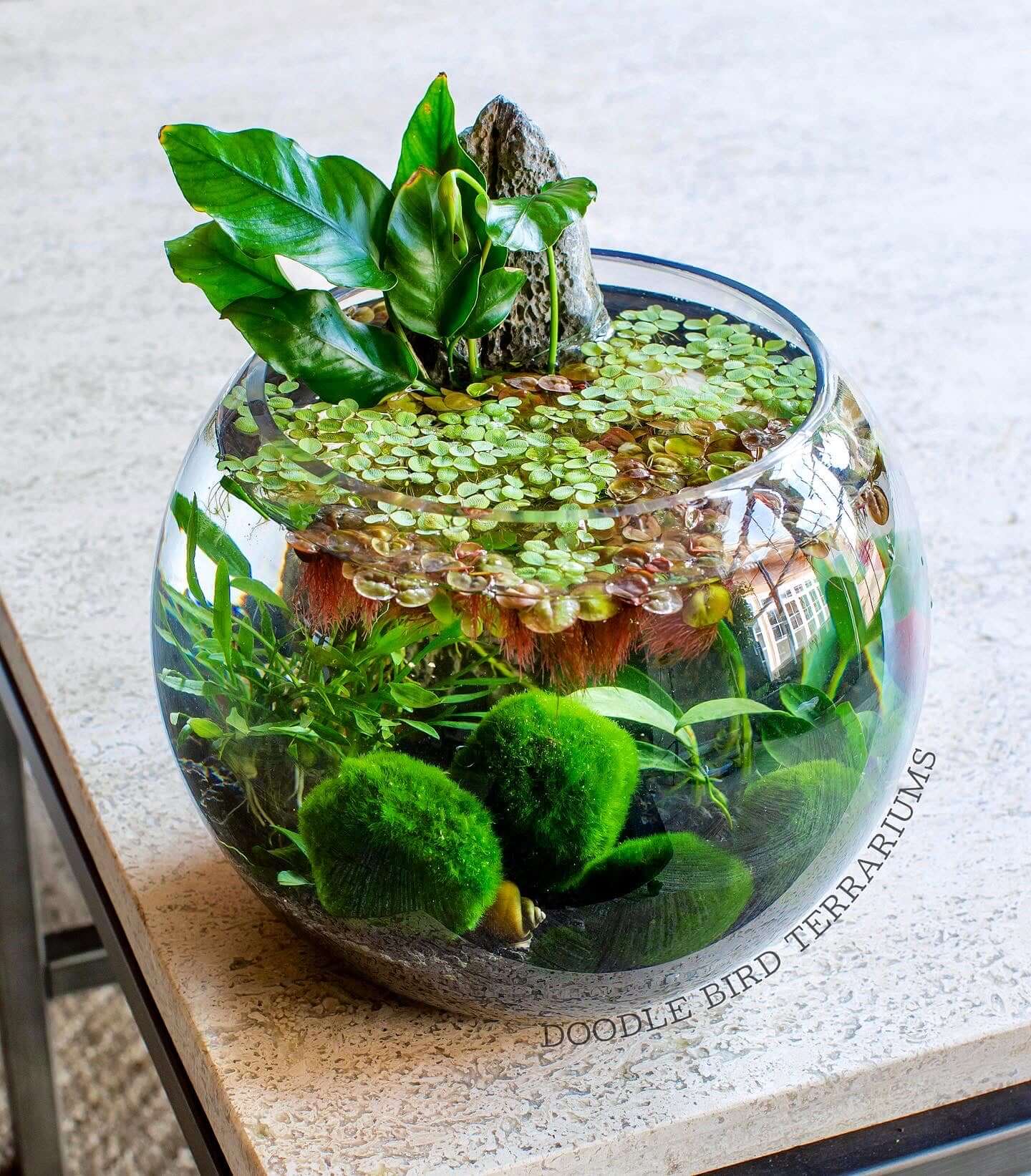
What Exactly Are Marimo Moss Balls?
First, let's clear up a common misconception. Marimo moss balls aren't actually moss at all. They are a rare form of filamentous green algae called Aegagropila linnaei. In their natural habitat, found in a few select lakes in Japan, Iceland, and Scotland, the gentle currents roll these algae filaments along the lakebed, slowly forming their unique, spherical shape.
This natural rolling action is what keeps them healthy and round. In Japan, Marimo are considered a national treasure and are often kept as living "pets," sometimes passed down through generations as a symbol of everlasting love and good fortune. Bringing one into your aquarium is like adding a small piece of natural history and culture.

The Top 5 Reasons to Put Moss Balls in Your Aquarium
Over the years, I've discovered that the reasons why put moss balls in aquarium tanks go far beyond their cute appearance. They are functional, beautiful, and delightfully simple additions that can genuinely improve your aquatic environment.
1. They Act as Tiny, Natural Filters
One of the biggest benefits is their ability to act as miniature biological filters. Moss balls absorb nitrates, phosphates, and other small amounts of ammonia from the water. These are the same compounds that nuisance algae feed on. In one of my smaller 10-gallon shrimp tanks, I noticed a significant reduction in green film on the glass after adding a few moss balls. They won't replace your primary filter, but they are excellent teammates in the fight for clean water.
2. Moss Balls Provide Oxygen
Just like any other plant, Marimo moss balls perform photosynthesis. They take in carbon dioxide and light and, in return, release small amounts of oxygen into the water. You might even see tiny oxygen bubbles, or "pearls," collecting on their surface. This gentle oxygenation is beneficial for your fish, shrimp, and other aquatic inhabitants, contributing to a healthier and more stable environment.
3. They're a Playground for Shrimp and Fry
If you keep dwarf shrimp or have breeding fish, you will love watching them interact with moss balls. The vast surface area of a moss ball is a perfect breeding ground for beneficial microorganisms and biofilm. My Amano and cherry shrimp spend hours grazing on them, picking at invisible snacks. For tiny fish fry, the dense, fibrous structure offers a perfect hiding place to escape larger fish and a reliable first source of food.
4. They Are Incredibly Low Maintenance
This is perhaps the most compelling reason why put moss balls in aquarium setups, especially for beginners. Unlike many aquatic plants that require special lighting, CO2 injection, and fertilizers, moss balls are practically self-sufficient. They thrive in low to moderate indirect light and ask for very little in return. I simply give mine a gentle squeeze and roll in old tank water during my weekly water changes to clean out debris and help them keep their shape. That's it.
5. They Add a Unique Natural Beauty
Finally, you can't deny their aesthetic appeal. The deep green color and perfect spherical shape add a soft, natural, and almost zen-like quality to any aquascape. Whether you have a single moss ball as a centerpiece in a nano tank or a cluster of them scattered across the substrate in a larger aquarium, they create a serene and visually interesting focal point that looks both intentional and completely natural.

How to Care for Your Moss Balls
Caring for these little green spheres is as easy as it gets, but a few simple steps will ensure they stay vibrant and healthy for years to come.
- Rinsing and Squeezing. About once every week or two, take your moss balls out during a water change. Gently squeeze them in the bucket of old tank water to release any trapped debris. This prevents them from accumulating gunk and turning brown inside.
- Lighting Needs. Marimo are accustomed to the dim light of a lake bottom. They do best in low to moderate indirect light. If you place them in direct, intense light, they can develop brown spots. If you see this, simply move them to a shadier spot in your tank.
- Rolling. To help them maintain their iconic round shape, give them a gentle roll in your hands every time you clean them. This mimics the natural lake currents and ensures all sides get adequate light exposure. It only takes a few seconds but makes a big difference.
Are There Any Downsides to Moss Balls?
To give you the full picture, it's important to acknowledge a few potential downsides. While the benefits are numerous, there are a couple of things to keep in mind.
First, their growth rate is incredibly slow—we're talking just a few millimeters per year. This means they won't make a significant impact on water quality in a large or heavily stocked tank. Think of them as a helpful supplement, not a primary solution.
Second, in the past, there was an issue with invasive zebra mussels being found as hitchhikers on moss balls sold in pet stores. Reputable suppliers now have strict quarantine and inspection procedures in place, but it's always wise to buy from a trusted source to ensure you are getting a safe and healthy product for your aquarium.

Frequently Asked Questions of why put moss balls in aquarium
How many moss balls should I put in my aquarium?
A good rule of thumb is one to two small moss balls per five gallons of water. You can always add more for aesthetic purposes, as you cannot have too many.
Do moss balls help with algae?
Yes, they can help reduce algae by consuming the same nutrients, like nitrates, that algae need to thrive. While not a cure-all, they are a great natural tool for algae prevention.
Can moss balls live with betta fish?
Absolutely! Betta fish are great tank mates for moss balls. Bettas are often curious and may nudge or rest on them, making for a fun and enriching interaction.
Why is my moss ball floating?
A floating moss ball is usually due to a trapped air bubble after being squeezed. It should sink back down on its own within a day or two as the air escapes.
How long do moss balls live?
With proper care, Marimo moss balls can live for an incredibly long time, even over 100 years. They are often passed down through generations in Japan as family heirlooms.
Conclusion
The reasons why put moss balls in aquarium tanks are clear: they are beautiful, beneficial, and unbelievably easy to care for. From their natural filtering abilities to the joy of watching shrimp graze on them, these little green orbs offer something for every aquarist. They are a simple investment that pays off in the health and beauty of your underwater world.
If you've been on the fence, I highly encourage you to pick one up for your tank. See for yourself how this small, fuzzy sphere of algae can make a big, positive impact.
Have you tried moss balls in your aquarium? Share your experiences or ask any questions in the comments below