Great white sharks fail in aquariums due to their size, constant swimming needs, stress, and specialized diet.
I’ve studied marine animals and worked with aquarium teams for years, so I understand the science and the daily care involved. This article explains, step by step, why has there never been a great white shark in an aquarium, what past attempts taught us, and what humane alternatives exist. Read on for clear facts, real-world lessons, and practical takeaways.

Why has there never been a great white shark in an aquarium: biological and physical limits
Great white sharks grow very large and need wide, deep water to move naturally. They cruise long distances in open ocean and must swim continuously to breathe well. Captive tanks cannot match the scale or flow of their natural habitat without extreme, costly engineering.
Their physiology adds hurdles. Great whites are warm-bodied in parts of their anatomy, relying on large swimming muscles and special blood flow. Small or shallow tanks change water temperature and oxygen dynamics. That raises health risks and reduces lifespan.
I’ve seen smaller sharks show stress in tight tanks. The same stressors scale up dramatically for a great white. Vets warn that captivity can cause rapid deterioration in large pelagic species.

Why has there never been a great white shark in an aquarium: behavioral needs and stress
Great white sharks are active predators with complex behavior. They need long cruises, hunting challenges, and varied prey. In a tank, repetitive environments and limited stimulation cause chronic stress.
Stress shows up as reduced appetite, self-injury, and odd swimming patterns. Great whites often stop feeding in captivity. That alone makes keeping them unsustainable.
From my experience, enrichment helps many species, but it can’t replace ocean scope. Behavioral care that works for reef fish fails for a species built for open water.

Why has there never been a great white shark in an aquarium: past attempts and what we learned
There have been a few attempts to hold wild great whites short-term. Most attempts ended quickly due to injury, starvation, or stress. Those trials taught the field important lessons about ethics and animal care.
Common findings included:
- Capture trauma increases mortality risk even before arrival at a facility.
- Transport and confinement cause physiological shock.
- Feeding a wild great white consistent, nutritious meals proved difficult.
These lessons pushed institutions to stop trying long-term captivity and to adopt rescue, tagging, and release programs instead.
Why has there never been a great white shark in an aquarium: logistical, financial, and safety challenges
Building a tank big enough would cost enormous sums and present safety risks for staff and visitors. Pumps would need to move massive volumes of water to mimic currents. Filtration and water quality control would be hugely complex.
Insurance, staffing, and emergency response all scale up with animal size. Facilities that tried to keep large pelagics often faced uncontrollable costs. For most aquariums, it’s neither practical nor responsible.
From a safety view, great whites are unpredictable near humans. The risk to staff working in close quarters is real. That alone is a strong deterrent for public aquaria.

Why has there never been a great white shark in an aquarium: conservation and ethical alternatives
Keeping great whites in tanks raises serious ethical questions. Captivity can harm individuals and provide poor science. Modern conservation focuses on protecting wild populations and habitats instead.
Effective and ethical alternatives include:
- Satellite tagging to study migration and behavior at sea
- Underwater video and drone monitoring
- Rescue and rehabilitation with release whenever possible
- Public education programs using virtual reality and filmed footage
I’ve seen public engagement grow when institutions invest in field research and storytelling. People care more when they know the animal’s real life. That makes conservation more powerful than a crowded tank.
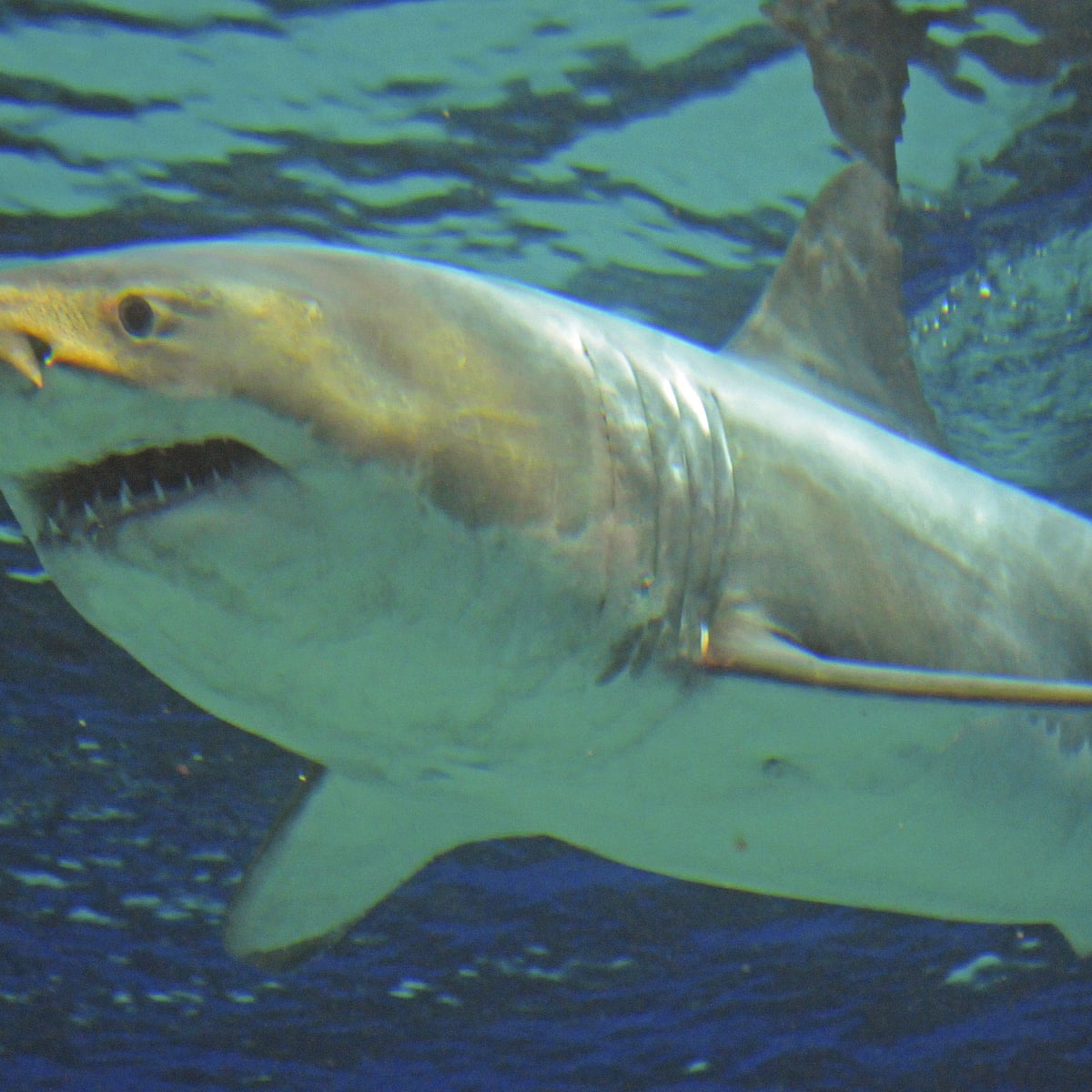
Frequently Asked Questions of why has there never been a great white shark in an aquarium
Why can’t we build a big enough tank to keep a great white?
A tank large enough would be extremely costly and still fail to replicate ocean currents, prey variety, and migration space. Even with money, physiological and behavioral needs remain unmet.
Have any great whites ever survived in captivity?
Short-term survival has happened during brief study or transport, but long-term captivity has repeatedly failed due to stress, injury, and loss of appetite. Most long-term attempts ended quickly or with poor welfare outcomes.
Do other large sharks do well in aquariums?
Some large shark species adapt better because they have different activity levels or size-to-space needs. Species that tolerate confinement and artificial diets are more suitable for public display.
Could technology change this in the future?
Technology may improve monitoring and transport, but it can’t fully replace ocean space and natural behavior. Scientific and ethical trends favor in-situ study over long-term captivity.
What should aquariums do instead of trying to hold great whites?
Focus on field research, rescue and release, public education, and virtual experiences. These approaches help people learn while protecting the animals’ welfare.
Conclusion
Keeping a great white shark in an aquarium fails on biological, behavioral, logistical, and ethical grounds. Understanding why has there never been a great white shark in an aquarium helps us shift toward better science and compassion. If you care about marine life, support field research, rescue efforts, and educational programs. Share this article, subscribe for more wildlife insights, or leave a comment with your questions.