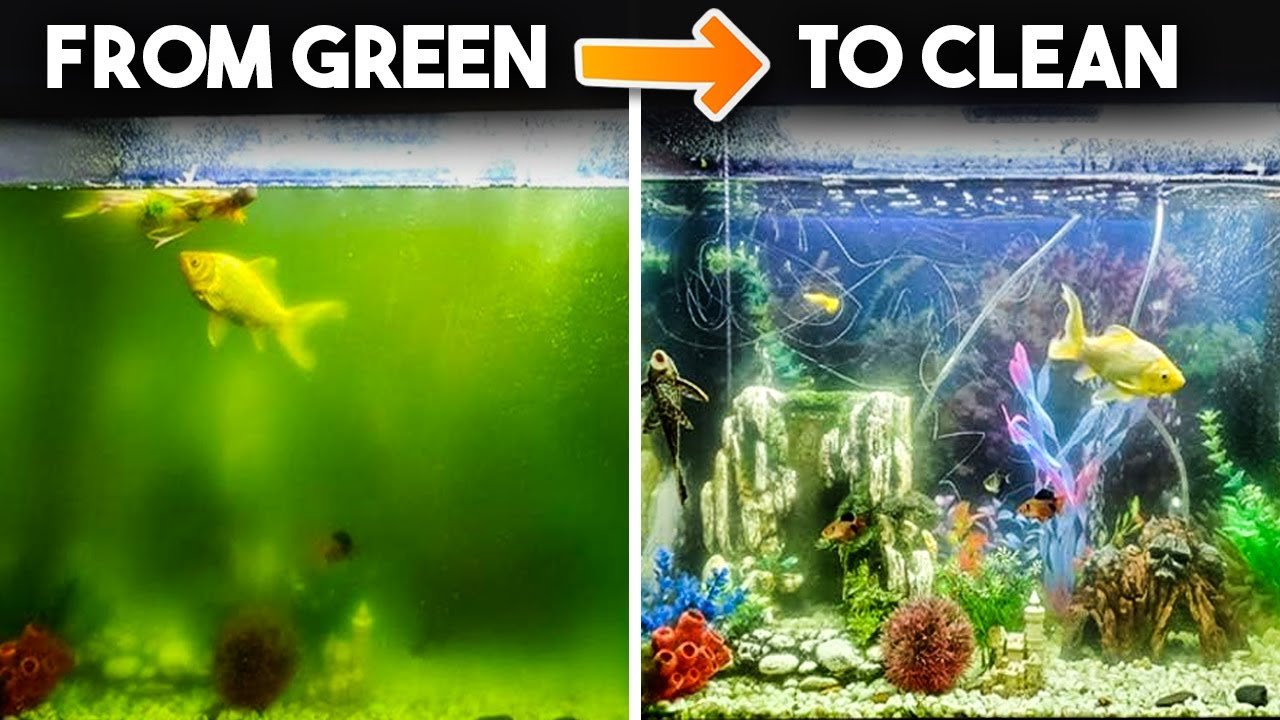
Your aquarium water turns green because of a bloom of microscopic, free-floating algae called phytoplankton.
I know that sinking feeling. You walk over to your beautiful aquarium, excited to see your fish, only to be met with a tank that looks more like pea soup. It’s frustrating, and it makes you wonder, "Why my aquarium water turn green when I'm trying so hard?" As someone who has spent years in the aquarium hobby, I’ve faced this exact problem more times than I can count, especially in my early days. The good news is that green water is almost always fixable. This guide will walk you through exactly why this happens and provide simple, actionable steps to get your tank back to being crystal clear and keep it that way for good.

What Exactly is Green Aquarium Water?
When you see that murky, green tint, you're looking at an algae bloom. But it's not the kind of algae that sticks to your glass or decorations. This is a massive population of tiny, single-celled organisms known as phytoplankton, and they are suspended and floating throughout your water column. Think of it as a microscopic, aquatic forest that has grown completely out of control.
While it looks alarming, this "green water" is generally not directly harmful to your fish. In fact, these algae produce oxygen during the day. The real problem is what it signifies: a fundamental imbalance in your tank's ecosystem. Addressing why my aquarium water turn green is about restoring that balance, not just clearing the water. Ignoring it can lead to other issues, like oxygen depletion at night when the algae respire, which can be dangerous for your fish.

The Main Culprits: Why Your Aquarium Water Turns Green
Algae, like any plant, needs two main things to thrive: light and food. A green water outbreak means you are accidentally providing way too much of one or, more likely, both. Let’s break down the common culprits so you can pinpoint the cause in your own tank.
Too Much Light
Light is the energy source for algae. Without it, they can't perform photosynthesis and grow. When your tank gets too much light, you’re essentially leaving the "on" switch for an algae factory flipped.
- Direct Sunlight: Is your tank near a window? Even an hour or two of direct sunlight per day is powerful enough to trigger a massive algae bloom. I once made the mistake of setting up a beautiful tank in what I thought was a perfect spot in my living room, only to realize the afternoon sun hit it directly. Within a week, I was battling an intense green water problem. Moving the tank just a few feet away made all the difference.
- Excessive Artificial Light: Leaving your aquarium light on for too long is another common mistake. Your fish and live plants only need about 8-10 hours of light per day. Leaving the light on for 12, 14, or even 24 hours a day is a direct invitation for green water to take over. Using an inexpensive outlet timer is one of the best investments you can make for your aquarium's stability.
Excess Nutrients
Nutrients are the "food" for algae. The two primary nutrients that fuel these blooms are nitrates and phosphates. When these build up in your water, you're serving algae an all-you-can-eat buffet.
- Overfeeding: This is the number one source of excess nutrients in most home aquariums. We love our fish and want to make sure they're well-fed, but giving them more food than they can eat in 2-3 minutes leads to waste. Uneaten food decays, releasing nitrates and phosphates directly into the water.
- Fish Waste: All living creatures produce waste, and fish are no exception. A tank that is overstocked (has too many fish for its size) will naturally have a higher bioload, meaning more waste is being produced than the ecosystem can handle. This waste breaks down into ammonia, then nitrites, and finally nitrates—the perfect algae fertilizer.
- Poor Maintenance: If you aren't doing regular water changes, those nitrates and phosphates have nowhere to go. They just accumulate over time, creating the perfect conditions for an algae bloom. A water change physically removes these nutrients and helps reset the balance.

How to Get Rid of Green Aquarium Water: A Step-by-Step Guide
So, you've identified why your aquarium water turn green. Now, how do you fix it? Tackling the problem requires a multi-step approach to remove the existing algae and the fuel that is feeding it.
- Start with a Water Change: Begin by performing a large water change, around 50%. This will immediately dilute the concentration of both the algae and the dissolved nutrients in the water, giving you a head start. Make sure to use a dechlorinator if you are using tap water.
- Clean Your Filter: Your filter may be clogged with organic debris that is breaking down and releasing nutrients. Gently rinse the filter media (sponges, ceramic rings, etc.) in the bucket of water you just removed from the tank. Never rinse it in fresh tap water, as the chlorine will kill the beneficial bacteria essential for your tank's health.
- Perform a Total Blackout: This is the most effective method for killing free-floating algae. Since algae need light to live, depriving them of it will cause them to die off. Turn off the aquarium light, and cover the entire tank with a thick blanket or black trash bags, ensuring no light gets in. Leave it covered for 3 to 4 days. Don't worry about your fish; they will be perfectly fine in the dark for a few days. Do not feed them during this period to minimize waste.
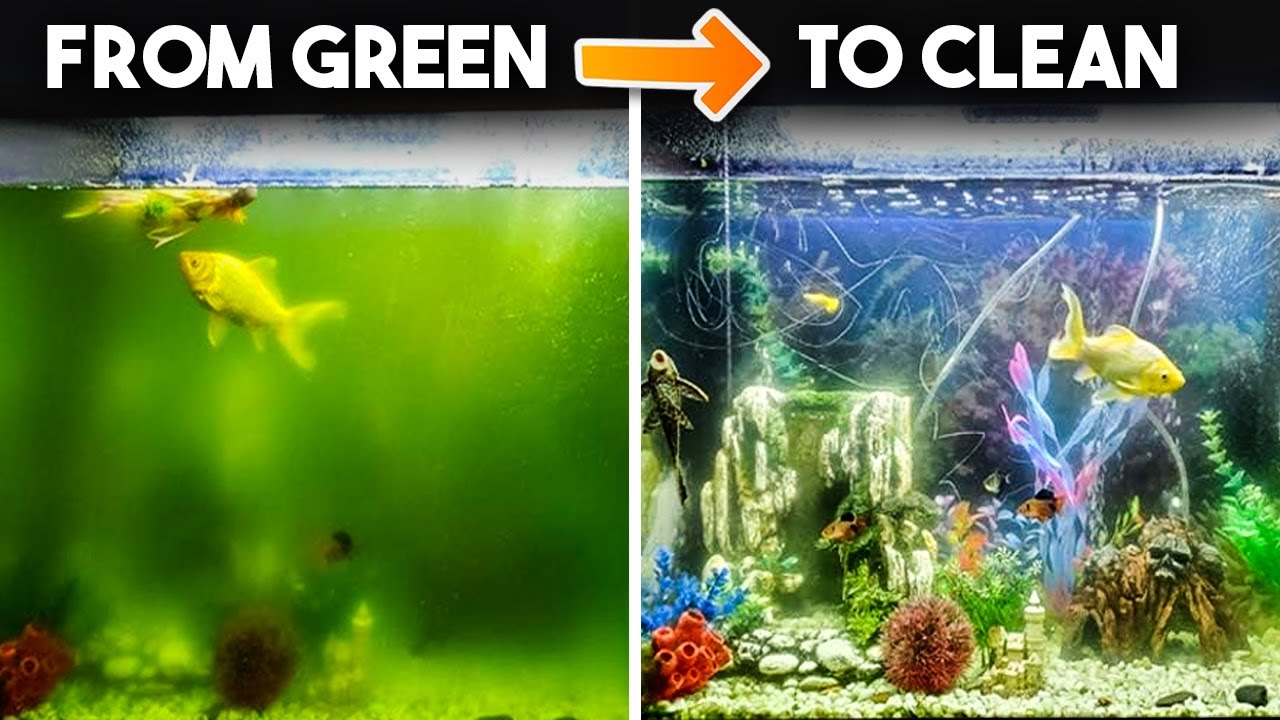
- The Big Reveal and Cleanup: After the blackout period, uncover the tank. The water should be much clearer, though it might look a bit cloudy with dead algae. Perform another 25-50% water change to remove the dead algae and the nutrients they will release as they decompose.
- Consider a UV Sterilizer: If you have a persistent green water problem, a UV sterilizer is a fantastic tool. This device pumps aquarium water past an ultraviolet light, which kills any free-floating algae and other microorganisms without harming your fish or beneficial bacteria in the filter. It's an almost guaranteed fix for green water.
Preventing Green Water from Coming Back
Getting rid of green water is great, but keeping it away is the real goal. Long-term prevention is all about maintaining balance and not giving algae the resources it needs to take hold again. Understanding why my aquarium water turn green is the first step toward prevention.
- Stick to a Lighting Schedule: Use an automatic timer to keep your lights on for a consistent 8-10 hours per day. This consistency is key.
- Feed Sparingly: Feed your fish only what they can consume in about 2 minutes, once or twice a day. It's better to slightly underfeed than to overfeed.
- Stay on Top of Water Changes: Perform a 25% water change every week. This is the single best thing you can do to remove excess nutrients and keep your tank's ecosystem stable.
- Add Live Plants: Live aquatic plants are your best allies in the fight against algae. They compete directly with algae for the same nutrients (nitrates and phosphates). Fast-growing plants like hornwort or anacharis are particularly effective at soaking up these nutrients.
- Don't Overstock Your Tank: Research the adult size of your fish and ensure your tank is large enough to handle their bioload. A crowded tank is a constant source of excess nutrients.
Frequently Asked Questions
Is green aquarium water harmful to fish?
Generally, no. The algae itself is not toxic to fish. However, a severe bloom can cause a dangerous drop in oxygen levels at night, which can stress or even kill fish.
Can I use chemicals to clear green water?
You can, but it is not recommended. Algaecides, often called "flocculants," can clear the water, but they don't address the root cause of the problem—excess light and nutrients. The green water will almost always return, and these chemicals can be stressful for sensitive fish and invertebrates.
How long does a blackout take to work?
A total blackout is usually effective within 3 to 4 days. After this period, the vast majority of the free-floating algae will have died off, and your water should be noticeably clearer.
Will adding an algae-eating fish fix my green water?
No, most algae-eating fish like plecos, otos, or Siamese algae eaters eat algae that grows on surfaces, not the free-floating phytoplankton that causes green water. Adding more fish will only increase the bioload and potentially make the nutrient problem worse.
Why did my water turn green after a water change?
This can happen if your tap water is high in phosphates or other nutrients. It can also occur if the water change stirred up a lot of detritus from the gravel, releasing a burst of nutrients into the water column that the algae then consumes.
Conclusion
Seeing your crystal clear aquarium turn into a green, murky mess is disheartening, but it’s a common rite of passage in the fishkeeping hobby. Remember that the reason why my aquarium water turn green always comes down to an imbalance of light and nutrients. By addressing these core issues through proper lighting, responsible feeding, and consistent maintenance, you can not only clear up the problem but prevent it from ever coming back.
Don't get discouraged. Think of it as your aquarium's way of telling you that it needs a little adjustment. Start today by checking your light timer and re-evaluating your feeding routine. You have the knowledge now to restore balance and enjoy the clear, beautiful underwater world you created.
What are your experiences with battling green water? Share your success stories or questions in the comments below