
Your aquarium is likely cloudy because of a bacterial bloom, an algae outbreak, or floating debris in the water.
Staring into a cloudy fish tank can be frustrating. I know the feeling well. You've spent time and effort creating a beautiful underwater world, only to have it obscured by a milky, green, or murky haze. If you're wondering, "why my aquarium is cloudy," you've come to the right place. As a long-time aquarium enthusiast, I’ve battled every type of cloudy water imaginable. This guide will walk you through identifying the exact cause of your problem and provide clear, simple steps to restore your tank to its crystal-clear glory.
:strip_icc()/cloudy-aquarium-water-1378803-3736ff0eb5b34aa0907ae9df2882a86e.png)
Understanding the Three Main Culprits of Cloudy Aquarium Water
The first step in solving the mystery of why my aquarium is cloudy is to look at the color of the water. Is it a milky white, a pea-soup green, or more of a brownish gray? Each color points to a different culprit. Identifying the hue is your first and most important clue, telling you exactly what you are up against. Once you know the color, you can pinpoint the cause and apply the right solution.

The Most Common Cause: The Bacterial Bloom (Milky White Water)
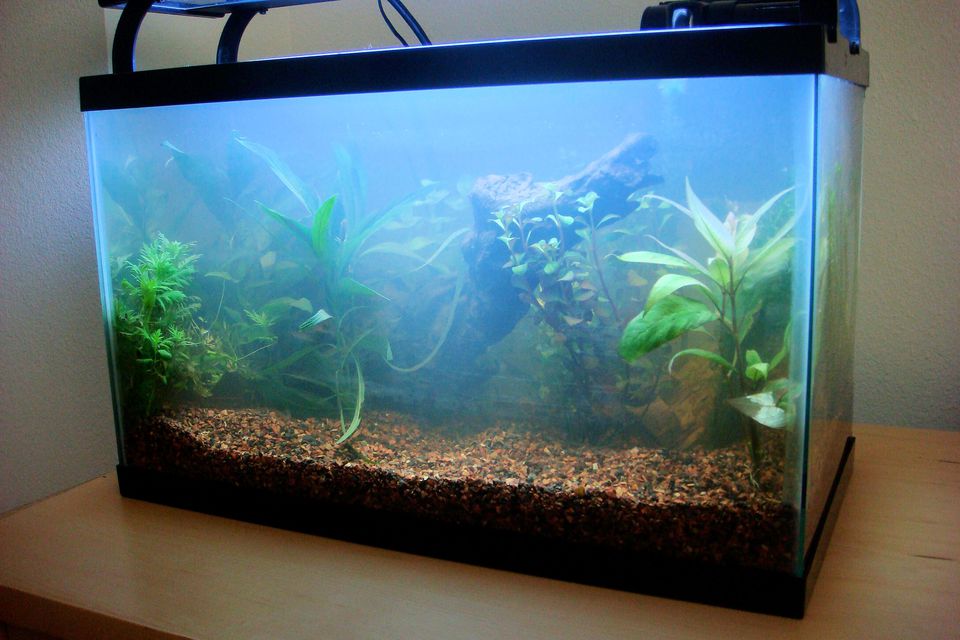
If your tank looks like someone poured a glass of milk into it, you are almost certainly dealing with a bacterial bloom. This is the most common reason for cloudy water, especially in new tanks. This cloudiness is caused by a massive, free-floating colony of beneficial bacteria. These are the good guys, but their population has simply exploded too quickly.
This often happens during "New Tank Syndrome." Your new aquarium doesn't have enough established bacteria to process fish waste. A sudden food source, like waste from new fish or uneaten food, causes these bacteria to multiply rapidly in the water column itself. I remember setting up my first tank and panicking when it turned ghostly white. I learned that patience was the best tool. The key question of why my aquarium is cloudy in this case is all about a system finding its balance.
Here is how you can handle a bacterial bloom:
- Be patient. In most new tanks, the bloom will resolve itself in a few days to a week as the bacteria settle into your filter and substrate.
- Reduce feeding. Feed your fish only a tiny amount every other day until the water clears. This limits the "fuel" for the bloom.
- Do not change the filter media. Your filter cartridge houses the beneficial bacteria you need. Rinsing it in tap water will kill them.
- Perform small water changes. A massive water change can make it worse. Stick to 10-15% changes every few days if necessary.

The Green Menace: Algae Blooms (Green Water)
Is your aquarium water looking like pea soup? If so, the reason why my aquarium is cloudy is a phytoplankton bloom, also known as green water. This is caused by microscopic, single-celled algae that are suspended in the water, turning your entire tank an opaque green. It can happen quickly and make it impossible to see your fish.
Green water is fueled by two main things: too much light and too many nutrients. If your tank is near a window getting direct sunlight, that's a likely cause. Leaving your aquarium light on for more than 8 hours a day can also trigger a bloom. Excess nutrients, like nitrates and phosphates, act as fertilizer for the algae. These often come from overfeeding or sometimes even from your tap water.
To get rid of green water, you need to starve the algae:
- Control the light. Move the tank away from direct sunlight. Reduce your aquarium light timer to 6-8 hours per day. You can even try a "blackout" by covering the tank with a blanket for 2-3 days.
- Reduce nutrients. Perform regular 25% water changes to dilute the nitrates and phosphates in the water.
- Avoid overfeeding. Only give your fish what they can eat in a minute or two.
- Add live plants. Fast-growing plants like hornwort or anacharis will compete with the algae for nutrients, helping to starve it out.
Grit and Grime: Suspended Particles (Brown or Gray Water)
If the cloudiness in your tank looks more like dust or dirt floating around, the reason why my aquarium is cloudy is likely suspended particles. This is a mechanical issue, not a biological one. The water has fine debris that is too small to settle or be easily picked up by your filter. This can make the water look gray, brown, or generally murky.
This is very common right after setting up a new tank if you didn't rinse the gravel or sand thoroughly. Every time you clean the gravel or your fish dig around, you might stir up debris and cause temporary cloudiness. It can also mean that your filter’s mechanical media isn’t fine enough to catch these tiny particles. I once used a very fine sand substrate and dealt with this for a week until my filter finally caught up.
Here’s how to clear up water filled with debris:
- Wait it out. Often, the particles will settle on their own within a day or two.
- Use a water clarifier. These products, also called flocculants, cause the tiny particles to clump together into larger pieces that your filter can easily grab.
- Upgrade your filter media. Adding a fine filter pad or "polishing pad" to your filter is an excellent way to trap fine particles and make your water sparkle.
- Rinse new substrate well. Before adding any new sand or gravel, rinse it in a bucket until the water runs clear. This prevents the problem from starting.
Preventing Cloudy Water Before It Starts
The best way to deal with a cloudy aquarium is to prevent it from happening in the first place. Once you understand why my aquarium is cloudy, you can take simple, proactive steps. Good aquarium habits are the foundation of a clear and healthy tank. Following a consistent routine will help you avoid almost all common cloudiness issues.
- Cycle your tank properly before adding fish. This establishes a healthy colony of beneficial bacteria from the start.
- Do not overfeed. This is the number one cause of excess nutrients that lead to both bacterial and algae blooms.
- Introduce new fish slowly. Adding too many fish at once will overwhelm your biological filter. Add only a few at a time over several weeks.
- Perform regular maintenance. A weekly 25% water change and gravel vacuuming will remove waste and dilute excess nutrients.
- Ensure your filter is right for your tank. Make sure your filter is rated for your tank size or slightly larger to provide adequate filtration.

Frequently Asked Questions of why my aquarium is cloudy
Why is my new aquarium cloudy?
Your new aquarium is most likely cloudy due to a bacterial bloom. This is a normal part of the nitrogen cycle, where beneficial bacteria multiply rapidly to process waste, and it usually clears on its own within a week.
Can I do a big water change to fix my cloudy aquarium?
A large water change can make a bacterial bloom worse by disrupting the stabilizing bacteria population. It is better to do small, frequent water changes or simply wait for the bloom to pass.
Is cloudy water harmful to my fish?
In most cases, the cloudiness itself is not directly harmful to fish. However, it signals an imbalance in the tank, such as high ammonia or nitrite, which can be very dangerous for your fish.
How long does it take for cloudy water to clear up?
A bacterial bloom typically clears in a few days to a week. Algae blooms and suspended particles may take longer and require direct action, such as reducing light or improving filtration.
Will an air stone help with cloudy water?
An air stone increases oxygen levels, which can help the beneficial bacteria in your filter work more efficiently. While it won't directly clear the water, it supports the biological processes that do.
Conclusion
Seeing your aquarium turn cloudy can be alarming, but it is a common issue that every fishkeeper faces. The solution begins with correctly identifying the cause, whether it's a milky bacterial bloom, a green algae takeover, or simply floating debris. Each problem has a clear and manageable fix.
Remember that a healthy aquarium is a balanced ecosystem, and patience is your greatest tool. By maintaining a consistent cleaning schedule, avoiding overfeeding, and managing your lighting, you can prevent most cloudiness issues before they start. Now you have the knowledge to diagnose why your aquarium is cloudy and restore its brilliant clarity.
What was the cause of your cloudy water? Share your story and tips in the comments below to help fellow aquarists