
Aquarium bubbles are usually harmless, caused by new water, equipment aeration, or natural plant processes.
Walking past your aquarium and noticing a sudden burst of bubbles can be a little alarming. I remember my first tank; it was covered in tiny, champagne-like bubbles, and my immediate thought was, "Did I do something wrong?" It’s a common worry for both new and experienced fishkeepers. Understanding the answer to the question, "why my aquarium has bubbles," is key to becoming a more confident and observant aquarist. This guide will walk you through every type of bubble, from the perfectly normal to the ones that might need a closer look, turning you into a bubble-deciphering expert for your own underwater world.
Common (and Harmless) Reasons for Bubbles in Your Aquarium
Most of the time, the bubbles you see are completely normal and nothing to worry about. They are often signs of a healthy, functioning system or just a temporary part of setting up a new tank. Let's break down the most frequent and benign causes.
The "New Tank Syndrome" Bubbles
When you first set up an aquarium and fill it with fresh tap water, it's very common to see thousands of tiny bubbles clinging to every surface. This includes the glass, substrate, heater, and decorations. This happens because cold tap water holds more dissolved gases, like oxygen and nitrogen, than warmer water. As the water in your tank warms up to room temperature and settles, these gases come out of the solution and form tiny bubbles. This is a temporary phase that usually resolves itself within a day or two as the gases dissipate.
Bubbles from Your Filter and Equipment
Your aquarium's life support system is a primary source of bubbles. The outflow from your filter is designed to agitate the water's surface, which promotes gas exchange. This process releases carbon dioxide from the water and dissolves oxygen into it. The splashing and churning can create a lot of bubbles, which is a good sign of proper aeration. Similarly, air stones and bubble wands are specifically designed to create bubbles, increasing oxygen levels and adding a nice visual effect.
Water Changes and Temperature Shifts
Just like with a new tank setup, adding fresh water during a routine water change can reintroduce dissolved gases. You might notice new bubbles clinging to surfaces right after you've finished. This is perfectly normal and they will typically disappear within a few hours. This phenomenon explains why my aquarium has bubbles after every maintenance session. It's simply a sign that you've added fresh, oxygen-rich water.
Bubbles on Surfaces: Glass, Decorations, and Plants
Seeing bubbles attached to different surfaces inside the tank can mean different things. Most are harmless, and some are even a fantastic sign of a thriving ecosystem.
Tiny Bubbles on Glass and Decor
As we covered earlier, bubbles on the glass and decorations are most common in a new tank or after a water change. They are simply trapped micro-bubbles of air and dissolved gases escaping the water column. If they persist for many days, it could indicate the water is highly saturated with gas, but in 99% of cases, they are temporary and harmless. You can gently wipe them away with a clean aquarium sponge if you don't like the look of them.
Bubbles on Live Plants: A Good Sign!
If you have live plants and see tiny bubbles forming on their leaves, give yourself a pat on the back! This is called "pearling," and it's a sign of healthy photosynthesis. During photosynthesis, plants absorb carbon dioxide and release oxygen. When the water becomes saturated with oxygen, the excess O2 forms visible bubbles on the plant's leaves. This is a beautiful indication that your lighting and water parameters are just right for your plants.

When Bubbles Signal a Potential Problem
While most bubbles are harmless, some types can be a red flag that something isn't quite right in your aquarium. Learning to spot these is an important part of keeping your fish healthy and is a key part of understanding why my aquarium has bubbles.
Foamy or Soapy Bubbles on the Surface
A thick, foamy layer of bubbles on the water's surface that doesn't pop easily is often a sign of a high concentration of dissolved organic compounds. This "protein film" can be caused by overfeeding, decaying plant matter, or insufficient filtration. While generally not dangerous on its own, it indicates poor water quality that can lead to other problems. Improving surface agitation with a filter outlet or air stone can help break it up, but the root cause is often solved with more frequent water changes and being careful not to overfeed.
Bubbles from the Substrate
If you see large bubbles periodically rising from your sand or gravel, especially when you disturb it, be cautious. This can be a sign of anaerobic pockets forming in a deep or compacted substrate. These pockets can produce trapped gases, including potentially toxic hydrogen sulfide, which smells like rotten eggs. Regularly and gently stirring the top layer of your sand or using Malaysian trumpet snails can help prevent this. The occasional harmless nitrogen bubble is normal, but consistent, smelly bubbles are a sign to act.
Excessive Bubbles from a Leaky Air Line
If your air stone or other air-powered decoration is suddenly producing a massive cloud of tiny bubbles, check your equipment. A tiny crack or loose connection in the airline tubing can cause air to escape before it reaches the air stone, resulting in an inefficient and chaotic stream of bubbles. This isn't directly harmful to your fish but reduces the effectiveness of your aeration system and can be quite noisy.
:strip_icc()/foam-on-aquarium-water-1381213-PSD-GIF-V3-55398aa7240b4d8391d2d607ee8bf3b5.jpg)
How to Manage and Reduce Unwanted Aquarium Bubbles
If you've determined your bubbles are not the good kind, or you simply don't like the look of them, there are several easy steps you can take. Addressing the source is the best way to solve why my aquarium has bubbles when they become an issue.
- Be Patient with a New Tank: If your tank is new, just wait. The bubbles will go away on their own in a few days.
- Improve Surface Agitation: To combat foamy surface bubbles, aim your filter output towards the surface to create more movement. This helps break down the protein film.
- Maintain Your Substrate: If you have a deep sand bed, gently rake the top inch during water changes to release any trapped gases before they build up.
- Perform Regular Maintenance: Consistent water changes and gravel vacuuming will reduce the dissolved organic compounds that contribute to surface foam.
- Check Your Equipment: Regularly inspect airline tubing, connections, and filter parts for leaks or blockages to ensure they are working as intended.
Frequently Asked Questions of why my aquarium has bubbles
Are bubbles on aquarium glass bad?
No, bubbles on the glass are almost always harmless. They are typically dissolved gases coming out of the water, especially in a new tank or after a water change, and will disappear on their own.
Why is there foam on top of my fish tank?
Foam on the surface is usually caused by a buildup of proteins and organic waste in the water. This can be due to overfeeding, waste from fish, or decaying plants and indicates it's time for a water change.
Should I remove the bubbles from my aquarium?
You generally don't need to remove bubbles. If they are from a new tank setup, they will vanish naturally. If it's foam on the surface, addressing the root cause through maintenance is more effective than just scooping it out.
Why do my fish make bubble nests?
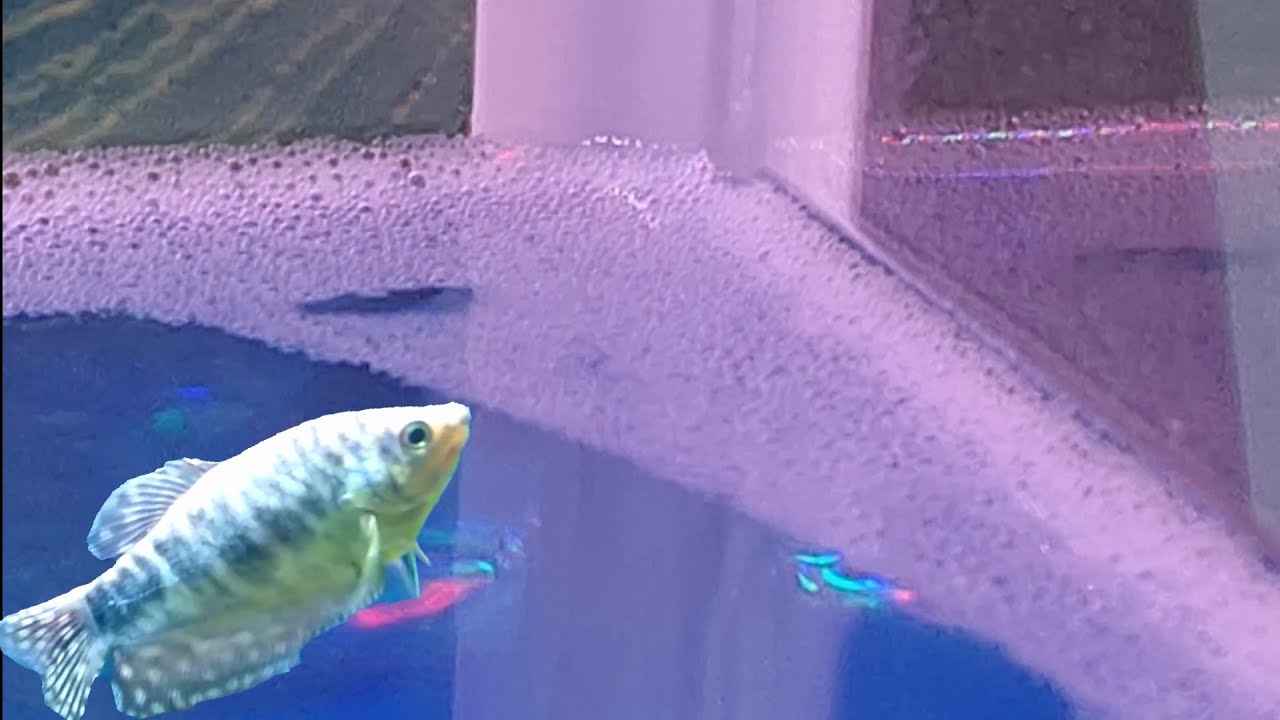
Some fish species, like Betta fish and Gouramis, are labyrinth fish that build bubble nests as part of their breeding behavior. If you see a cluster of bubbles in a corner, it's often a sign of a happy, healthy male fish ready to spawn.
How long do new tank bubbles last?
The bubbles that appear when you first set up a new aquarium typically last for 24 to 72 hours. As the water temperature stabilizes and the excess dissolved gases escape, the bubbles will completely disappear.
Conclusion
Seeing bubbles in your aquarium is a very common experience, and more often than not, it’s a perfectly normal part of a healthy aquatic environment. By learning to distinguish between the harmless bubbles of a new tank and the foam of a protein film, you take another step toward mastering the art of fishkeeping. The key is observation. Your tank is always communicating with you, and understanding why my aquarium has bubbles is just one piece of that fascinating conversation.
Now, take a closer look at your tank's bubbles with this new knowledge. Can you identify what's causing them? We'd love to hear about your own bubble experiences or any questions you still have in the comments below