
Stable pH keeps fish healthy, reduces stress, and prevents sudden tank crashes.
I’ve kept planted and community tanks for years, and I can tell you why it matters. Knowing why is important to measure the ph of the water in an aquarium helps you protect fish, plants, and the whole tank ecosystem. This article draws on hands-on experience and research to explain the key reasons, simple tests, safe fixes, and real tips I use when a tank goes off balance. Read on if you want clear, practical steps to keep your aquarium stable and thriving.
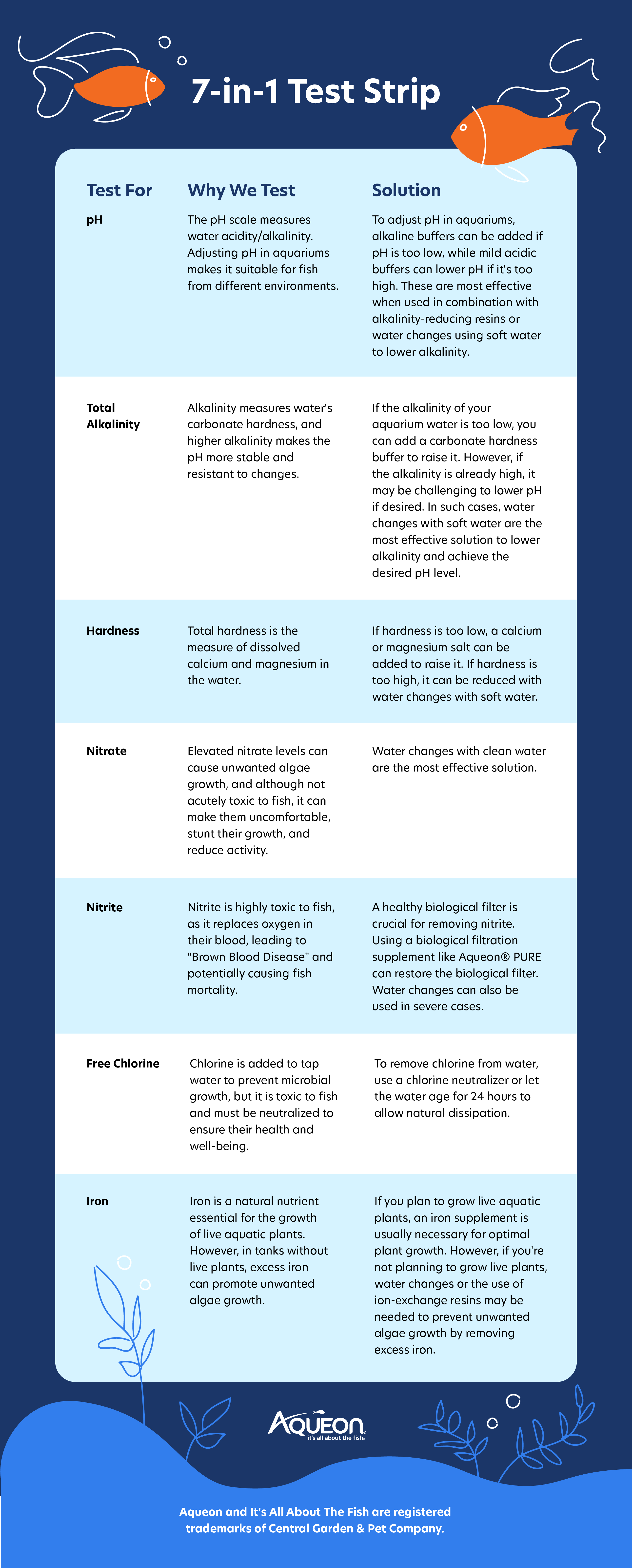
Why measuring pH matters for every aquarium owner
Keeping an eye on pH gives you an early warning system. pH measures the acidity or alkalinity of water. Many fish and plants only thrive in a narrow pH range. Sudden swings can cause stress, lower immunity, and even death.
Knowing why is important to measure the ph of the water in an aquarium helps you spot problems before they become disasters. Tests reveal tank changes from new decorations, decaying food, or chemical contamination. Regular checks also protect delicate species and guide safe adjustments.
Key reasons to test pH:
- Prevent stress and disease by keeping conditions stable.
- Match water to the needs of specific fish and plants.
- Detect problems from runoff, new decor, or improper cycling.
- Guide water changes and correct dosing of buffers or acids.
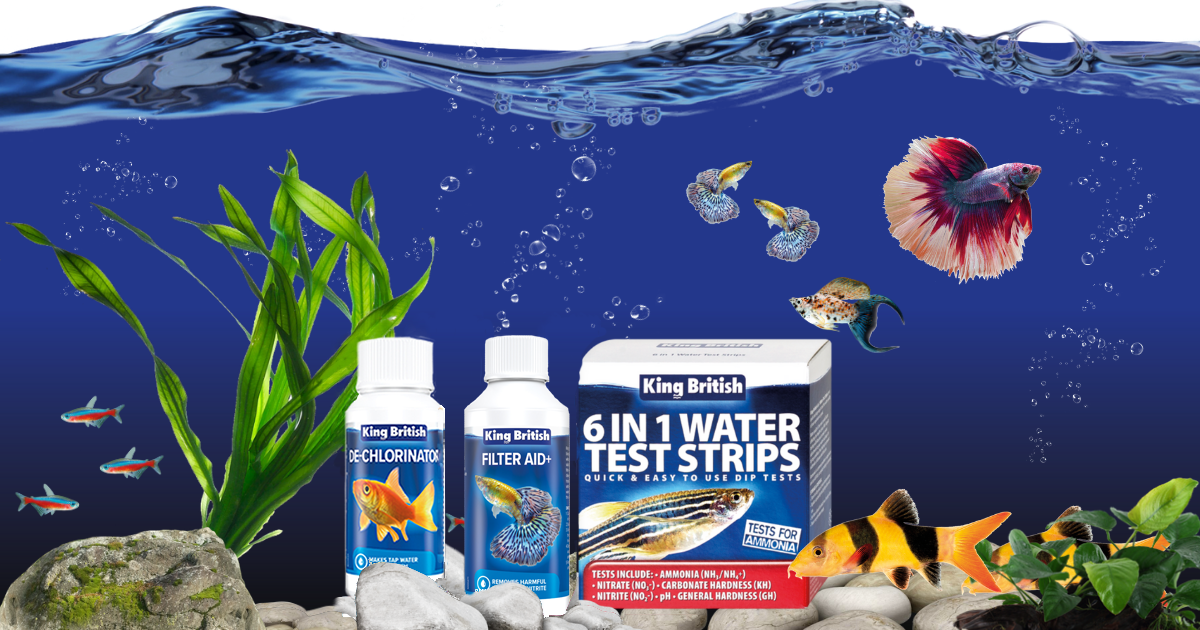
Source: co.uk
How pH affects fish, plants, and beneficial bacteria
pH affects metabolism, breathing, and reproduction. Fish gills and slime coats react quickly to pH shifts. Plants and bacteria also have ideal ranges. Beneficial bacteria that break down ammonia and nitrite prefer a stable pH to work well.
When you understand why is important to measure the ph of the water in an aquarium, you see its role in the nitrogen cycle. Low pH can slow or kill nitrifying bacteria. High pH raises ammonia toxicity. Both scenarios stress fish and can spike toxins.
Practical examples:
- Community tropical tanks often do well around pH 6.8–7.5.
- African cichlids prefer pH 7.8–8.6.
- Planted tanks may favor slightly acidic to neutral pH for nutrient uptake.
- Sudden pH drops from decaying leaves or added CO2 can harm sensitive fish and plants.
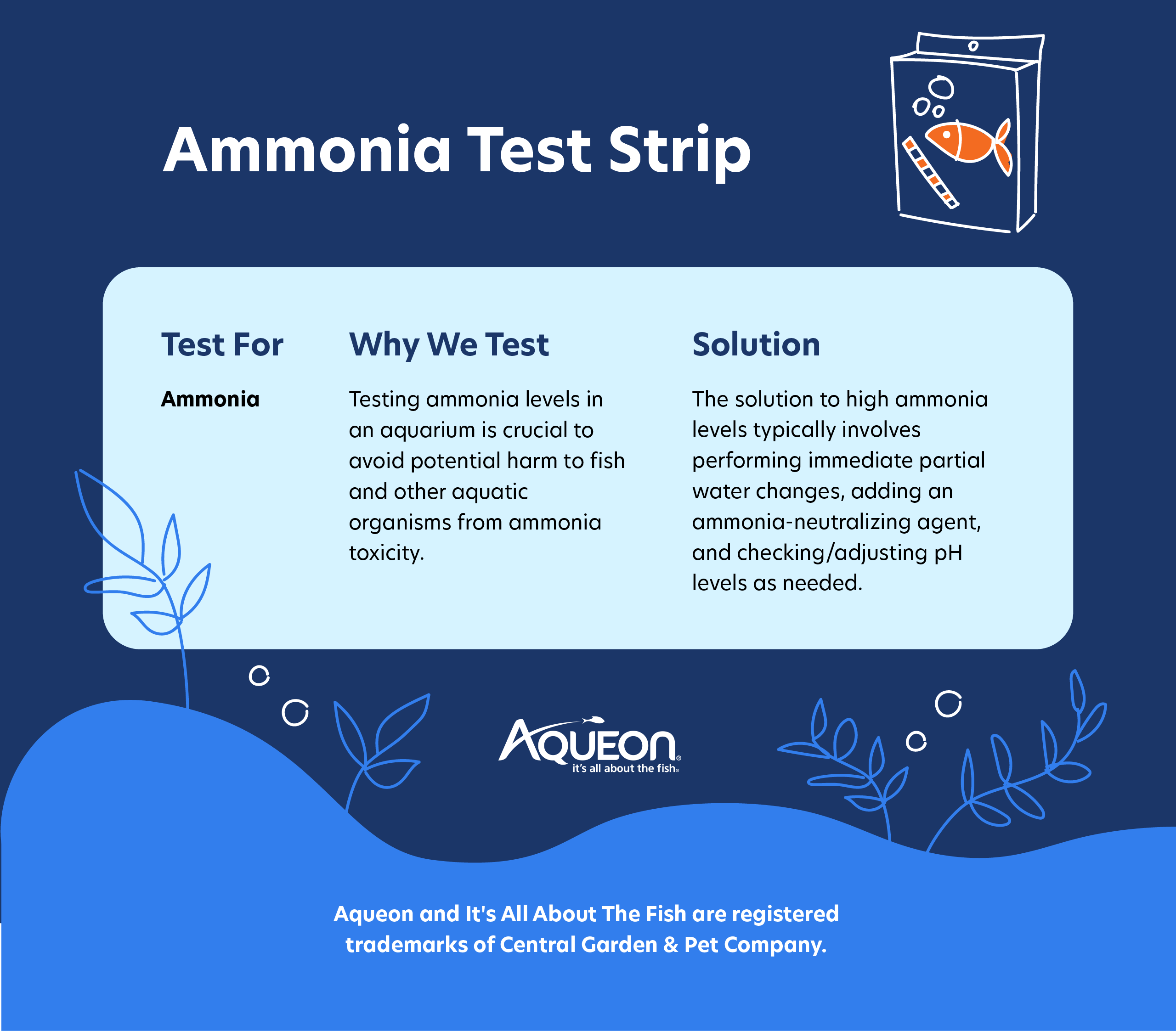
Source: aqueon.com
How to measure pH: simple tools and best practices
There are three common ways to measure pH. Each has pros and cons.
Liquid test kits:
- Use a few drops of reagent in a water sample.
- Read color against a chart.
- They are cheap and reliable for hobby use.
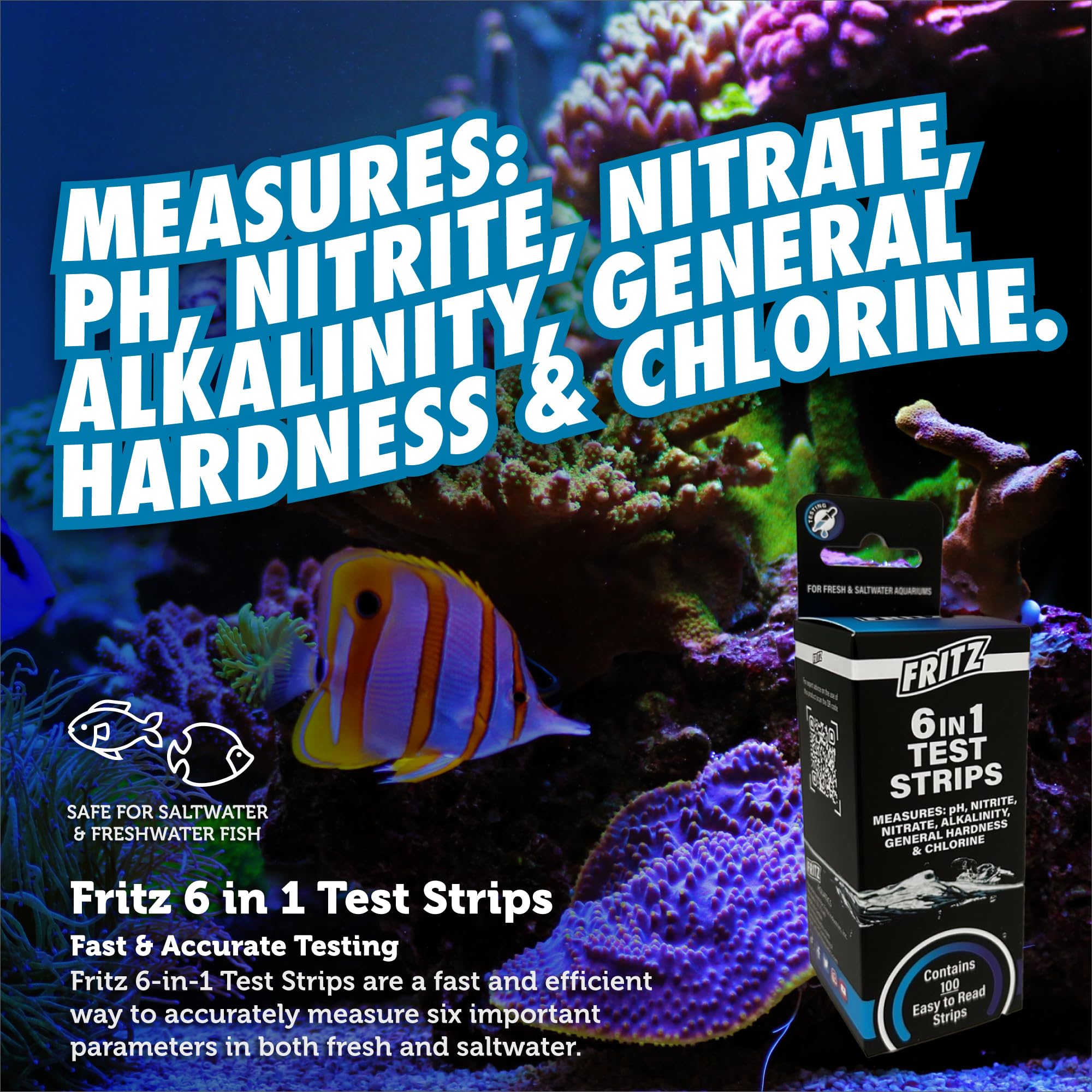
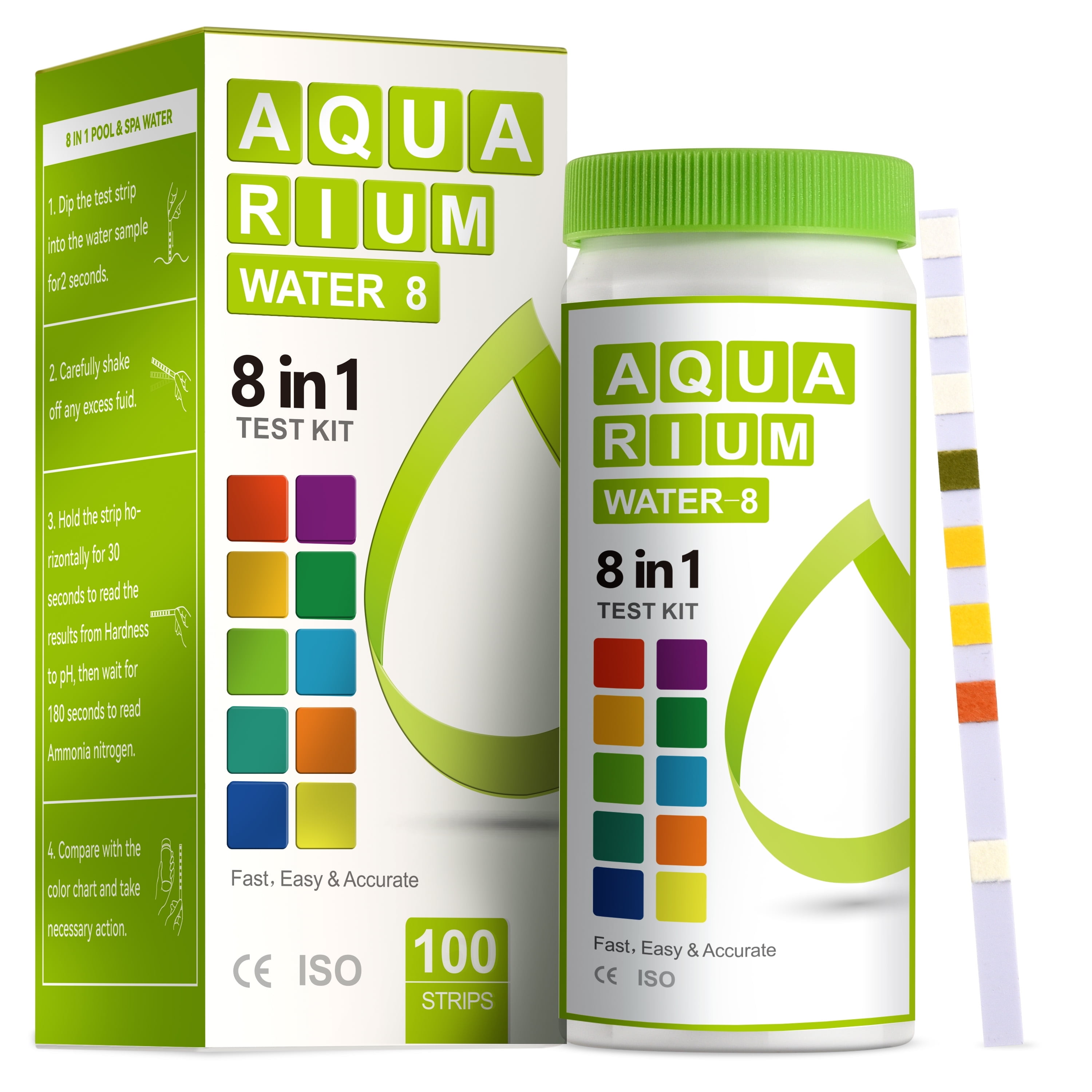
Test strips:
- Dip, wait, and compare color.
- Fast and easy, but less precise than liquid kits.
Electronic pH meters:
- Give quick digital readouts and high accuracy.
- Require calibration and careful maintenance.
Best practices:
- Test the same spot and time each week.
- Rinse test tools with tank water before use.
- Calibrate meters with fresh buffer solutions regularly.
- Keep a log of pH readings to spot trends.
Remember why is important to measure the ph of the water in an aquarium: frequent checks reveal trends, not just one-off values.
How to maintain and adjust pH safely
Make small changes and allow time. Rapid swings are more harmful than a slightly off pH.
Routine steps:
- Use regular water changes with matched pH water.
- Choose a buffering substrate or additives only when needed.
- Test new decor and rocks in a bucket before adding to the tank.
- Avoid dosing strong acids or alkalis without clear need and knowledge.
Safe adjustment tips:
- If pH is too low, add small amounts of carbonate buffer or do partial water changes using higher-pH source water.
- If pH is too high, use peat moss in a filter, driftwood, or controlled CO2 for planted tanks to lower pH slowly.
- Treat root causes: check filtration, test ammonia/nitrite/nitrate, and remove decaying matter.
I learned this the hard way. Early on I added a strong pH-kicker after a low reading and caused a crash. Now I balance changes, test daily during adjustments, and wait a week between doses. That’s why is important to measure the ph of the water in an aquarium — so you make informed, gentle corrections.
Common mistakes, monitoring schedule, and troubleshooting
Avoid guessing. Common errors can spike stress and kill livestock.
Common mistakes:
- Changing pH too fast with chemicals.
- Assuming tap water pH matches tank pH.
- Forgetting to check pH after adding driftwood, substrate, or live plants.
- Relying on a single test rather than tracking trends.
Monitoring schedule:
- New tanks: test daily for the first few weeks.
- Cycling tanks: test every 2–3 days for pH plus ammonia/nitrite.
- Established tanks: test weekly, or more after changes.
- After adjustments: test daily until stable.
- Sudden drop in pH: look for organic decay, high CO2, or acidifying additives.
- Sudden rise in pH: check for dead plants/animals, alkaline tap water, or depleted CO2 in planted tanks.
- Fluctuating pH: improve buffering, increase stable water changes, and check filtration.
These tips show why is important to measure the ph of the water in an aquarium often. Regular checks keep surprises small and fixable.

Frequently Asked Questions of why is important to measure the ph of the water in an aquarium
What is a safe pH range for my fish?
Different species have different needs. Most tropical community fish do best near neutral pH, while cichlids or some plants prefer more specific ranges; always check species requirements.
How often should I test my aquarium pH?
Test weekly in a stable tank, but test daily when setting up a new tank or after major changes to catch fast swings early.
Can I use tap water without testing pH?
You should test tap water. Tap pH can differ from tank pH and can change with treatment, season, or source shifts, so match it before large water changes.
Will plants change my tank’s pH?
Yes. Live plants can lower pH at night due to respiration and raise pH during the day with photosynthesis; overall impact depends on plant load and CO2.
Is pH the same as water hardness?
No. pH measures acidity or alkalinity. Hardness measures dissolved minerals. Both interact, and buffering (KH) helps stabilize pH.
What happens if I ignore pH measurements?
Ignoring pH can lead to chronic stress, disease, failed breeding, and sudden tank crashes because pH affects toxins, bacteria, and fish health.
Conclusion
Testing pH is one of the easiest ways to keep an aquarium healthy. It helps you prevent stress, maintain the nitrogen cycle, and make safe adjustments when needed. Start a simple testing routine, log values, and act slowly when you must alter pH. Your fish and plants will reward you with better health and fewer surprises.
Take action today: test your tank, write down the results, and set a reminder to test regularly. If you have questions or a specific pH problem, leave a comment or subscribe for more step-by-step aquarium care guides.