
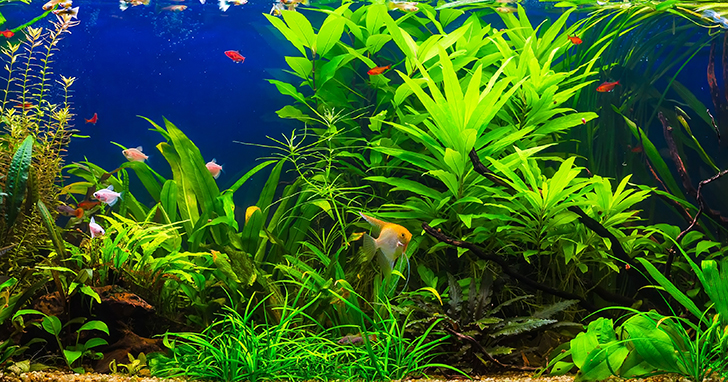
Live plants improve water quality, provide natural shelter for fish, and create a beautiful, thriving underwater ecosystem.
As someone who has spent years in the aquarium hobby, I remember staring at my first tank, filled with colorful plastic decorations and gravel. It looked clean, but it felt sterile and lifeless. The moment I swapped that first plastic fern for a real, living Java Fern, everything changed. It wasn't just about aesthetics; the entire dynamic of the tank shifted. If you’re standing on the edge, wondering if making the switch is worth it, you’ve come to the right place. This guide will walk you through exactly why live plants in aquarium environments are not just a decoration, but a fundamental upgrade for a healthier, more vibrant aquatic world.

The Natural Water Filter: How Plants Improve Water Quality
Think of live plants as tiny, tireless janitors for your aquarium. One of the biggest challenges in fishkeeping is managing the nitrogen cycle. Fish waste produces ammonia, which is toxic. Beneficial bacteria convert it to nitrite (also toxic), and then to nitrate (less toxic, but still harmful in high concentrations). This is where live plants become your best friends.
Plants use nitrates as a primary food source, essentially pulling this waste product out of the water column. This natural filtration reduces the nitrate buildup, meaning less stress on your fish and potentially fewer water changes for you. I noticed a significant drop in my weekly nitrate readings after establishing a well-planted tank. Understanding this benefit is a key reason why live plants in aquarium setups are so popular among experienced hobbyists. They help create a more stable and forgiving environment for your aquatic pets.
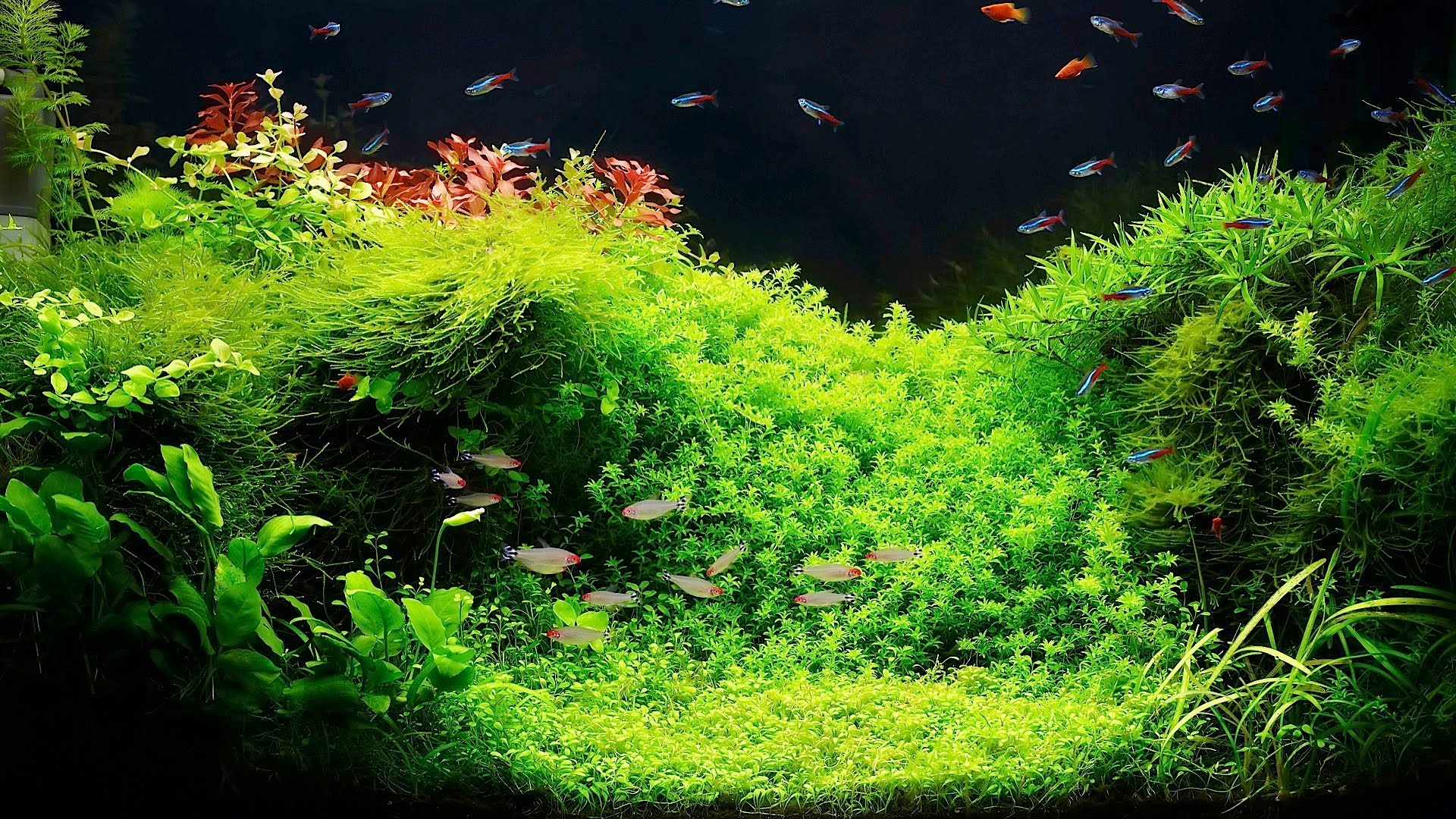
A Breath of Fresh Air: Oxygenation and Gas Exchange
Just like plants on land, aquatic plants perform photosynthesis. They absorb carbon dioxide (which your fish exhale) and light, and in return, they release oxygen directly into the water. This process is crucial for the health of your fish, shrimp, and even the beneficial bacteria that keep your tank's ecosystem in balance.
While air stones and filters certainly help with oxygenation, live plants provide a natural, constant source during the day. You might even see tiny bubbles, a process called "pearling," streaming from the leaves of healthy, fast-growing plants. It’s a beautiful visual sign that your underwater garden is thriving and providing a rich, oxygenated home. This natural aeration is a compelling argument for why live plants in aquarium setups are superior to artificial ones.
:strip_icc()/Live_Planted_Aquarium_Cheong_Kim_Tick-56a32fc05f9b58b7d0d0df51.jpg)
The Ultimate Algae Control Crew
Every aquarist has battled algae at some point. It can feel like a relentless, ugly invasion. The secret weapon in this fight is often a healthy population of live plants. Algae and plants compete for the same resources: light and nutrients (like nitrates and phosphates). A tank full of thriving plants will effectively starve out the algae.
When I was struggling with a persistent case of green hair algae, the solution wasn't chemicals. It was adding fast-growing stem plants like Hornwort. These plants were so efficient at consuming the excess nutrients in the water that the algae simply couldn't compete and began to disappear. This is one of the most practical reasons why live plants in aquarium management make life so much easier. They work with you to maintain a clean and balanced system.
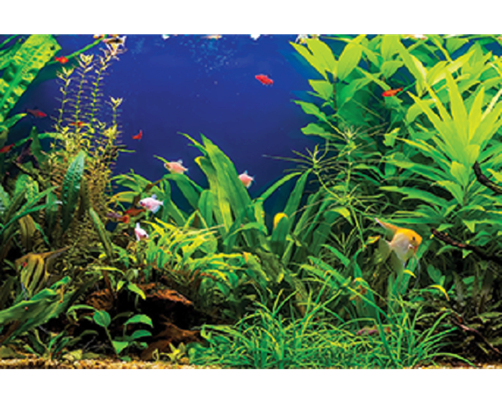
Creating a Natural Habitat for Happy, Healthy Fish
Imagine living in an empty room versus a room filled with comfortable furniture and safe spaces. For fish, plants provide that essential "furniture." They create a complex, stimulating environment that mimics their natural habitats. This has a profound impact on their well-being and behavior.
Here’s how they help:
- Shelter and Security: Dense foliage from plants like Java Moss or Water Wisteria gives shy fish and fry a place to hide from more boisterous tank mates, dramatically reducing their stress levels.
- Spawning Sites: Many fish species, like tetras and rasboras, use plant leaves as a safe place to lay their eggs.
- Natural Grazing: Plants and mosses cultivate a layer of biofilm and microorganisms, which serve as a natural, continuous food source for shrimp and small fish.
- Enrichment: Fish will interact with the plants, swimming through them, resting on broad leaves, and exploring their environment. This enrichment prevents boredom and promotes natural behaviors. Observing this is a rewarding part of understanding why live plants in aquarium life are so vital.
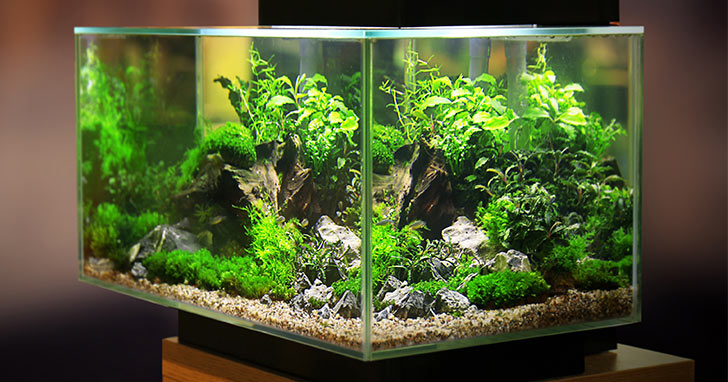
The Unmatched Beauty of a Living Aquascape
Beyond all the biological benefits, there is the simple, undeniable beauty of a planted tank. A well-scaped aquarium is a living piece of art. Unlike static plastic decorations, live plants grow, change, and create a dynamic underwater landscape that evolves over time. The vibrant greens, deep reds, and unique textures add a level of depth and naturalism that artificial decor can never replicate.
There is an incredible sense of pride and accomplishment that comes from nurturing your own underwater garden. Watching a tiny plant grow into a lush centerpiece is one of the most rewarding aspects of the hobby. The visual appeal is often the first thing that draws people in, but it’s the combination of beauty and function that explains why live plants in aquarium design are a true game-changer.
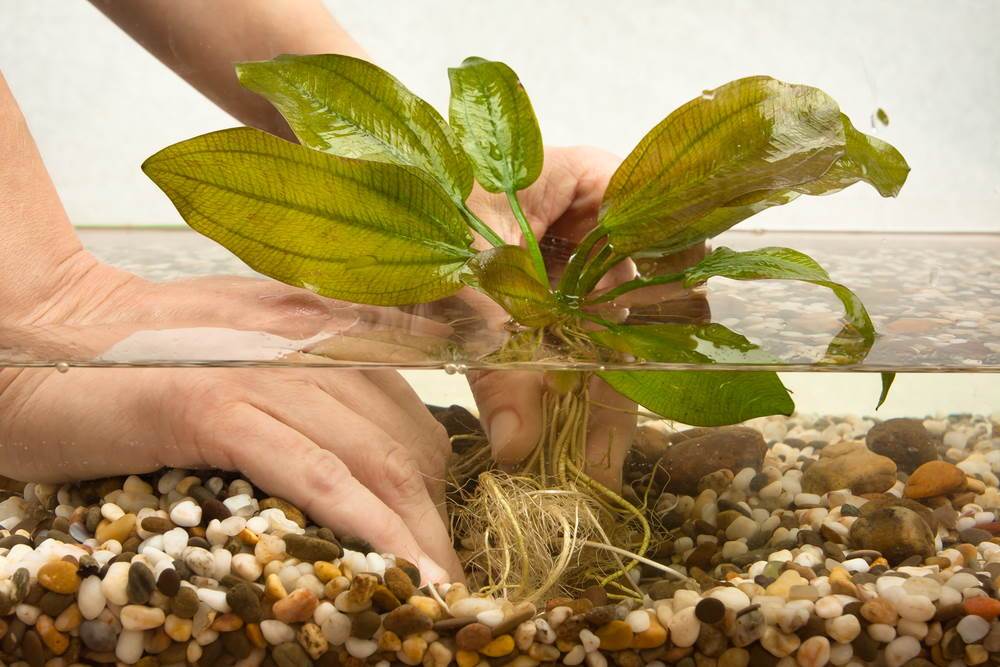
Getting Started: Easy Plants for Beginners
Jumping into the world of planted tanks doesn't have to be complicated or expensive. You don’t need high-tech CO2 injection or intense lighting to start. Many hardy plants thrive in basic conditions and are perfect for beginners.
Here are a few of the easiest plants to get started with:
- Anubias: This is a slow-growing, low-light plant that you attach to rocks or driftwood instead of planting in the gravel. It’s almost impossible to kill.
- Java Fern: Similar to Anubias, this plant has beautiful, textured leaves and prefers to be attached to decor rather than buried. It tolerates a wide range of water conditions.
- Marimo Moss Balls: These are fuzzy green balls of algae that are incredibly low-maintenance. Just drop them in the tank, and they will slowly grow, providing a great surface for shrimp to graze on.
- Hornwort: A fast-growing stem plant that can be left floating or planted. It is an absolute nutrient sponge, making it fantastic for controlling algae and improving water quality.
- Cryptocoryne: Often called "Crypts," these are root-feeding plants that do well in low-light setups. They come in various colors and sizes and are a great way to add some variety to your substrate.
Frequently Asked Questions of why live plants in aquarium
Do live plants make an aquarium harder to maintain?
No, in many ways they make it easier. Once established, live plants help maintain stable water parameters and control algae, which can reduce your overall maintenance workload.
Do all fish like live plants?
The vast majority of fish thrive in planted tanks. The plants provide security, enrichment, and a more natural environment that reduces stress and encourages natural behaviors.
Will my fish eat the live plants?
Some fish, like Goldfish or Silver Dollars, are known plant-eaters. However, most common community fish will leave plants alone, though some may nibble on decaying leaves.
What do I need to start with live plants?
For easy beginner plants, you only need a basic aquarium light and substrate. Many simple plants like Anubias or Java Fern don't even need to be planted in the substrate.
How do live plants help the nitrogen cycle?
Live plants consume nitrates, the final byproduct of the nitrogen cycle. By removing nitrates from the water, they act as a natural filter and help keep the water cleaner and safer for your fish.
Conclusion
Making the switch from artificial decorations to a living, breathing ecosystem is one of the most beneficial upgrades you can make for your aquarium. The reasons why live plants in aquarium setups are so crucial go far beyond simple aesthetics. They are natural filters, oxygen producers, algae fighters, and a source of security and enrichment for your fish. A planted tank is healthier, more stable, and infinitely more beautiful.
If you’re feeling inspired, start small. Pick up a single Anubias or a Marimo Moss Ball on your next trip to the pet store. Watch how it transforms your tank and how your fish interact with it. Before you know it, you’ll be hooked on creating your own stunning underwater garden. What’s your favorite aquarium plant? Share it in the comments below