
Cloudy aquarium water is usually caused by a bacterial bloom, suspended particles, or an algae bloom.
Seeing your crystal-clear aquarium suddenly turn into a murky, cloudy mess can be alarming. I've been there, staring at a tank that looks more like milk than water, wondering what I did wrong. As a long-time aquarium enthusiast, I can tell you this is one of the most common issues new and even experienced hobbyists face. The good news is that it's almost always fixable. This guide will walk you through exactly why is water cloudy in aquarium, helping you diagnose the problem and get your tank back to its sparkling best.
:strip_icc()/cloudy-aquarium-water-1378803-3736ff0eb5b34aa0907ae9df2882a86e.png)
The Three Main Culprits of Cloudy Aquarium Water
Before you can fix the problem, you need to identify the cause. Cloudy water isn't a one-size-fits-all issue. The color of the cloudiness is your first and most important clue. Think of yourself as a detective looking at the evidence in your tank.
Generally, cloudy water falls into one of three categories:
- White or Gray Cloudiness: This often looks like a milky haze and is the most common type, especially in new tanks.
- Green Cloudiness: This gives your tank a distinct green tint, almost like pea soup.
- Brown or Yellow Cloudiness: This can range from a light tea-stain color to a murky, dirty appearance.
Each color points to a different underlying cause. By figuring out which one you have, you're already halfway to solving the mystery of why is water cloudy in aquarium.

White or Gray Haze: The Bacterial Bloom
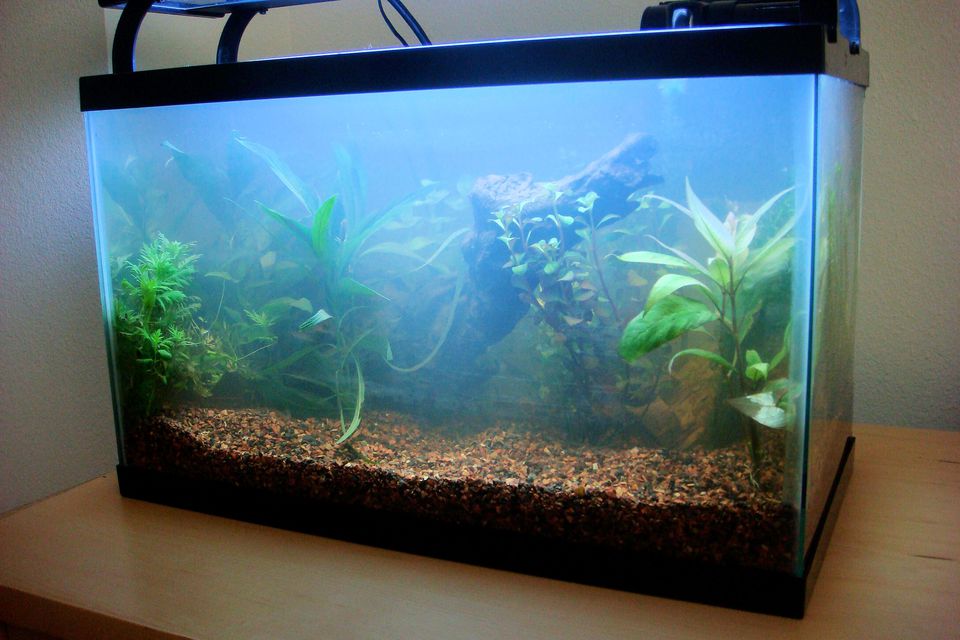
If your water looks milky or like a faint gray fog has rolled in, you are most likely dealing with a bacterial bloom. This happens when there is a sudden explosion in the population of beneficial bacteria, known as heterotrophic bacteria. These bacteria feed on organic waste in the water column, such as excess food, fish waste, and decaying plant matter.
This phenomenon is incredibly common in new aquariums, a condition often called "New Tank Syndrome." Your tank is a new ecosystem, and it's trying to find its balance. I remember setting up my first 20-gallon tank. It was perfectly clear for three days, and then overnight, it turned into a cloudy mess. My initial reaction was panic, thinking I needed to do a massive water change. But that’s usually the wrong move. This bloom is a natural part of the nitrogen cycle, where beneficial bacteria establish themselves to break down harmful ammonia and nitrite. The key to understanding why is water cloudy in aquarium during this phase is recognizing it's a sign of life, not disaster.
To fix a bacterial bloom, you should:
- Be patient. In a new tank, the bloom will usually clear on its own within a week or two as the ecosystem stabilizes.
- Reduce feeding. Only feed your fish what they can eat in a minute. Excess food is the primary fuel for these bacteria.
- Perform small, regular water changes. Avoid large water changes, as this can disrupt the cycling process and prolong the cloudiness. A 10-15% change is plenty.
- Ensure your filter is running correctly and is properly sized for your tank.
Green Water: The Algae Invasion
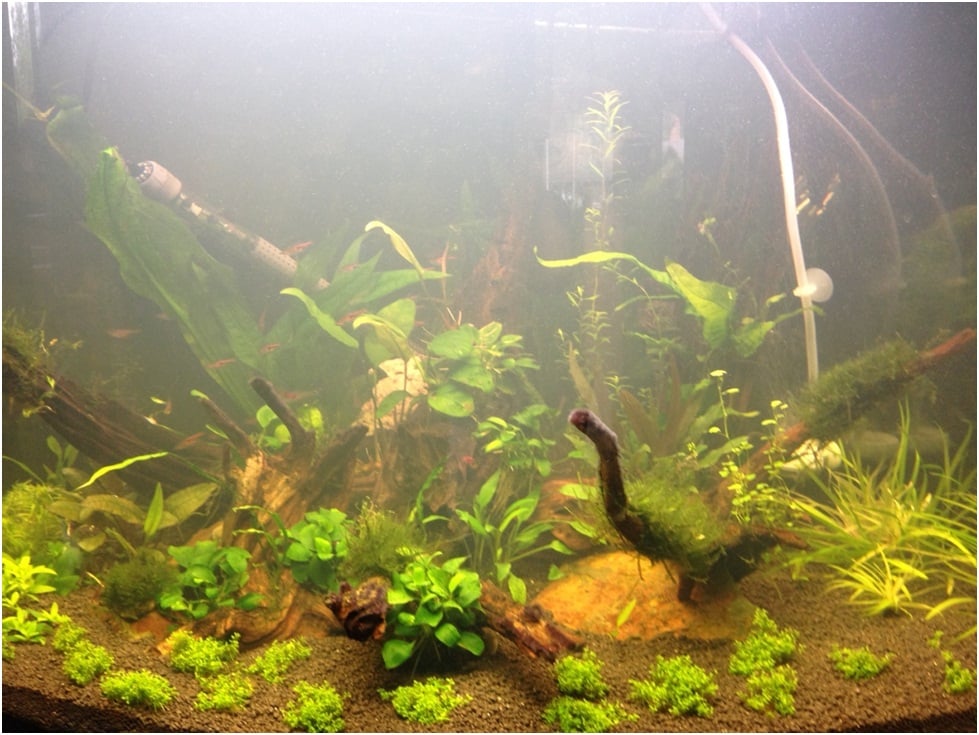
Is your aquarium starting to resemble a pond? If the water has a distinct green hue, you have an algae bloom. This is caused by a rapid growth of tiny, free-floating phytoplankton. While a little bit of algae is normal in any tank, green water means something in your system is out of balance, providing the perfect conditions for it to thrive.
The two main culprits behind an algae bloom are too much light and excess nutrients. I once had a beautiful betta tank that I placed on a stand near a window. I loved how the morning sun hit it, but soon enough, I was in a constant battle with green water. The direct sunlight was a supercharger for algae growth. This experience taught me a valuable lesson about tank placement and lighting control, which is often the answer to why is water cloudy in aquarium when the color is green.
To combat green water, try these steps:
- Reduce your light exposure. Move the tank away from direct sunlight. If you're using an artificial light, reduce the time it's on to 6-8 hours per day. A simple outlet timer can automate this for you.
- Control your nutrient levels. Overfeeding and not performing regular water changes lead to a buildup of nitrates and phosphates, which are algae fuel. Step up your water change schedule to 25% weekly to dilute these nutrients.
- Add live plants. Fast-growing plants like hornwort or anacharis are fantastic because they compete with algae for the same nutrients, effectively starving it out.
- Consider a UV sterilizer. For persistent cases, a UV sterilizer is a highly effective tool that kills free-floating algae as water passes through it, clearing up the water quickly.
Murky Brown or Yellow Water: Debris and Tannins
If your water is murky brown or has a yellowish tea-like tint, the cause is likely either suspended debris or natural tannins leaching from wood. This type of cloudiness is often seen right after setting up a tank or after a major cleaning. Understanding this cause can quickly solve why is water cloudy in aquarium in these situations.
Suspended particles usually come from new substrate like sand or gravel that wasn't rinsed thoroughly enough. When you add water, the fine dust kicks up and clouds the tank. It can also happen if you have fish that love to dig, constantly stirring up the bottom. Yellowish water, on the other hand, is almost always caused by tannins from driftwood. While it may look odd, tannins are completely harmless and can even be beneficial, lowering the pH slightly and creating a more natural environment for species like tetras, discus, and bettas.
Here is how you can clear up brown or yellow water:
- Rinse new substrate well. Before adding any gravel or sand to your tank, rinse it in a bucket until the water runs clear. This single step prevents most initial cloudiness.
- Wait it out. If the cloudiness is from stirred-up debris, your filter will usually clear it within a day or two. You can add fine filter floss to your filter to help trap smaller particles.
- Prepare your driftwood. To reduce the amount of tannins released, you can boil new driftwood for a few hours or soak it in a separate bucket for a week, changing the water daily.
- Use activated carbon. If you don't like the tea-stained look, adding a bag of activated carbon to your filter is a great way to absorb the tannins and make the water crystal clear.
A Step-by-Step Plan to Clear Your Cloudy Water
Feeling overwhelmed? Don't be. Here is a simple, actionable plan to tackle that cloudy water and restore clarity to your aquarium.
- Identify the Color. Look closely at your tank. Is the water a milky white, a soupy green, or a murky brown? This is your starting point.
- Test Your Water. Use a reliable aquarium test kit to check your ammonia, nitrite, and nitrate levels. High readings often point to overfeeding or an incomplete nitrogen cycle, both of which contribute to cloudiness.
- Review Your Routine. Be honest with yourself. Are you feeding too much? Is the tank light on all day? When was the last time you did a water change? Your daily habits are a huge factor.
- Take Action. Based on your diagnosis, apply the right solution. For a white bacterial bloom, be patient and reduce feeding. For green water, cut back on light. For brown water, check your filter and consider adding carbon.
- Stay Consistent. The best way to prevent cloudy water is through consistent maintenance. Regular water changes, proper feeding, and adequate filtration are the pillars of a healthy, clear aquarium.
Frequently Asked Questions of why is water cloudy in aquarium
How long does it take for cloudy water to clear up?
A bacterial bloom in a new tank often clears on its own in 1-2 weeks. Cloudiness from debris may clear in a few hours or a day, while green water can take longer to resolve depending on the steps you take.
Is cloudy water harmful to fish?
In most cases, cloudy water itself is not directly harmful to fish. However, the underlying cause, such as high ammonia levels during a bacterial bloom, can be very dangerous.
Can I use a chemical clarifier to fix my cloudy water?
Chemical clarifiers, or flocculants, can work by clumping small particles together so your filter can catch them. They can be a quick fix for debris-related cloudiness but don't address the root cause of bacterial or algae blooms.
Why is my water cloudy after a water change?
Cloudiness after a water change can be caused by a mini-cycle if you cleaned your filter too thoroughly or a bacterial bloom from stirred-up waste. It can also be fine particles from the substrate that got kicked up.
Does overfeeding really cause cloudy water?
Yes, absolutely. Overfeeding is one of the leading causes of cloudy water because uneaten food decays, releasing ammonia and organic compounds that fuel both bacterial blooms and algae growth.
Conclusion
Seeing your aquarium water turn cloudy is a common rite of passage in the fishkeeping hobby. Instead of a sign of failure, view it as your aquarium's way of communicating that something is out of balance. By identifying the color—white, green, or brown—you can effectively diagnose the problem and take the right steps to fix it. The core reasons why is water cloudy in aquarium almost always trace back to bacteria, algae, or simple debris.
Your journey to a crystal-clear tank is a lesson in patience and observation. Armed with this knowledge, you can confidently manage your aquatic ecosystem and ensure your fish have a healthy, beautiful home. Now go take a closer look at your tank and start your detective work! We'd love to hear about your experiences clearing up cloudy water in the comments below.