High nitrite usually means an incomplete nitrogen cycle or too much organic waste in the tank.
I have kept and cycled many aquariums and helped dozens of hobbyists fix spikes. If you are asking "why is the nitrite high in my aquarium," this guide explains the most common causes, fast fixes, and long-term solutions. Read on for clear, step-by-step advice you can use right now to protect your fish and stabilize your tank.
What nitrite is and why it matters
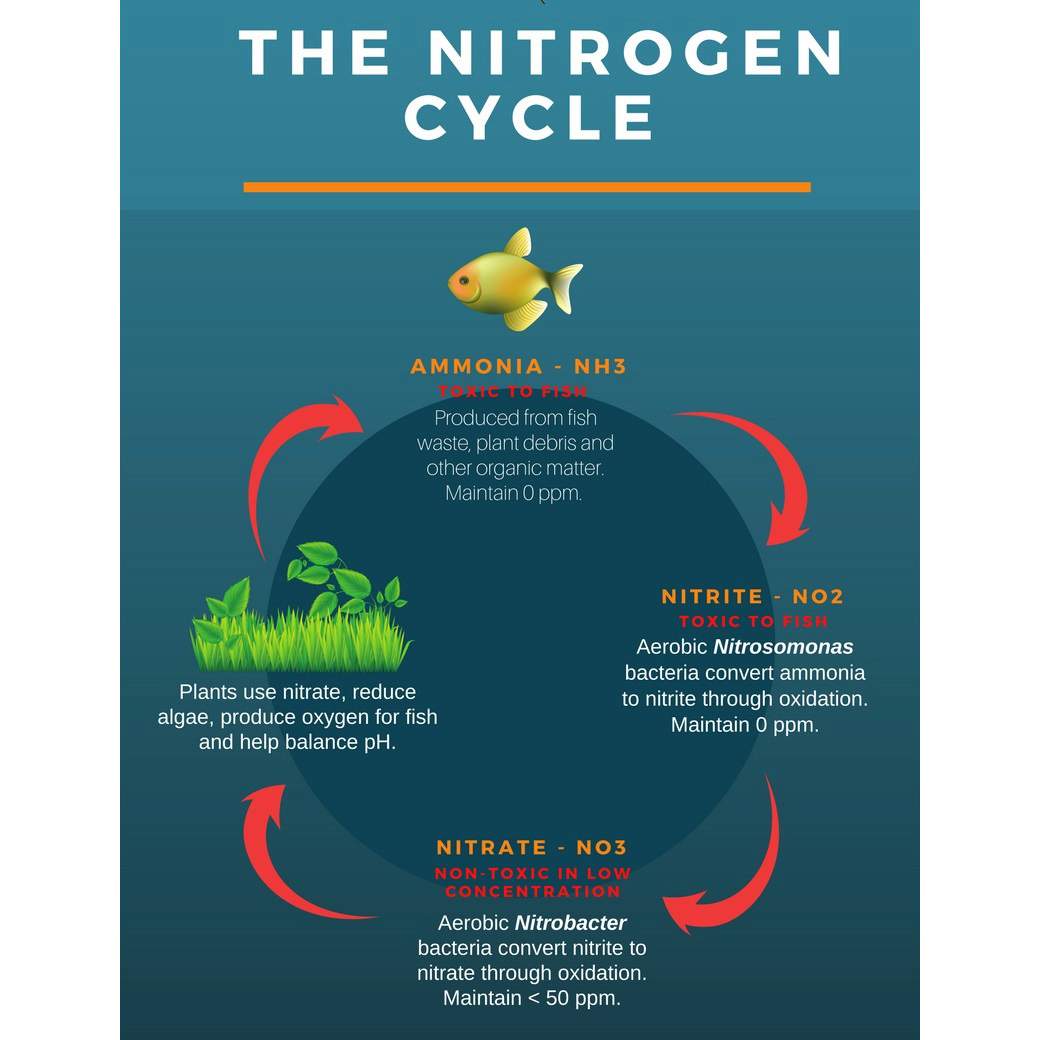
Nitrite (NO2-) is an intermediate product in the aquarium nitrogen cycle. Beneficial bacteria convert ammonia to nitrite, and other bacteria convert nitrite to nitrate. Nitrite is toxic to fish because it interferes with oxygen transport in their blood. Aim for 0 ppm nitrite; anything above 0.5 ppm risks stress and death.
Common signs of nitrite poisoning:
- Fish gasping at the surface or rapid breathing.
- Pale or brownish gills and lethargy.
- Loss of appetite and unusual behavior.
If you wonder why is the nitrite high in my aquarium, remember it usually points to a broken or overloaded cycle, poor maintenance, or sudden changes in the tank. Quick detection and action prevent long-term harm.

Common causes of high nitrite in aquariums
When you ask why is the nitrite high in my aquarium, these are the usual suspects. I’ve seen each of these happen in real tanks.
- New tank without a finished cycle
- The beneficial bacteria that turn nitrite into nitrate are not established yet.
- Overfeeding and excess waste
- Leftover food and fish waste produce ammonia that becomes nitrite.
- Overstocking the tank
- Too many fish produce more waste than bacteria can handle.
- Filter or media failure
- Dirty or clogged filters reduce bacterial colonies and water flow.
- Sudden die-off or medication use
- A mass die-off or certain antibiotics can kill beneficial bacteria.
- Water changes with chlorinated tap water
- Chlorine and chloramine kill nitrifying bacteria if water isn’t treated.
- Disturbed biological media during cleaning
- Scrubbing or replacing all filter media removes the bacteria colony.
If you ask again why is the nitrite high in my aquarium, walk through this list to find what changed recently. One change often explains the spike.

How to test and confirm a nitrite spike
Testing correctly matters. Follow these steps every time you suspect a problem.
- Use a reliable test kit
- Liquid kits with color charts are more accurate than strips.
- Test multiple times over 24–48 hours
- Repeated tests show if nitrite is rising, stable, or falling.
- Measure ammonia and nitrate too
- Ammonia and nitrite together point to cycling problems.
- Check water parameters: pH and temperature
- Nitrite toxicity is worse at low pH and warm temperatures.
I personally keep test kits in a drawer and test weekly. That small routine caught a nitrite spike early and saved many fish.

Immediate steps to lower nitrite fast
If your nitrite is high, act quickly. These steps are practical and proven.
- Do a partial water change (25–50%)
- Reduces nitrite concentration immediately and adds oxygen.
- Add salt for freshwater tanks (0.5–1.0 tsp per gallon)
- Salt helps reduce nitrite uptake in fish; avoid with invertebrates.
- Increase aeration and circulation
- More oxygen reduces stress and helps bacteria work better.
- Reduce feeding for several days
- Less food means less waste and lower ammonia/nitrite input.
- Use a biological nitrite-remover product temporarily
- These products bind nitrite or boost bacteria; use as directed.
- Check and restore filter media
- Rinse in tank water, don’t replace all media at once.
These steps answer the urgent part of why is the nitrite high in my aquarium — they control damage while you fix the root cause.
Long-term solutions and prevention
Fixing the immediate problem is one thing. Preventing future spikes is where most hobbyists succeed.
- Cycle new tanks fully before adding fish
- Patience here avoids many nitrite problems later.
- Avoid overfeeding and routine overstocking
- Feed only what fish eat in 1–2 minutes.
- Maintain and not replace all biological media at once
- Stagger media replacement to keep bacteria stable.
- Use hardy live plants
- Plants consume ammonia and nitrate and stabilize water chemistry.
- Quarantine new fish and plants
- Prevents introducing disease and sudden bioload increases.
- Regular testing and maintenance schedule
- Test weekly and do small, regular water changes.
- Use water conditioners for tap water
- Neutralize chlorine and chloramine to protect bacteria.
Ask yourself why is the nitrite high in my aquarium each time you change feeding, stocking, or equipment. Small consistent habits stop most spikes.

My personal experience and lessons learned
I once set up a 30-gallon tank and rushed stocking after a few days. Within a week my nitrite rose to dangerous levels. I learned to wait for a stable 0 ppm reading and to add fish slowly. Another time, an antibiotic I used for fin-rot knocked out nitrifying bacteria. I had to re-seed the filter with media from a healthy tank and perform frequent water changes.
Lessons I pass on:
- Never add a full load of new fish at once.
- When treating illness, follow up by re-establishing beneficial bacteria.
- Keep a spare bottle of water conditioner and test kits handy.
These real incidents explain why is the nitrite high in my aquarium and how simple habits can prevent repeat problems.

Equipment and products that help
Good tools simplify control and prevention.
- Reliable test kits
- Liquid ammonia, nitrite, nitrate tests for accuracy.
- Quality filter with biological media
- Sponges, ceramic rings, and bio-balls hold bacteria.
- Air pump and stone
- Boost oxygen to help fish and bacteria.
- Water conditioners
- Remove chlorine and detoxify nitrite temporarily.
- Bacterial supplements
- Useful after medication or media loss to reseed bacteria.
Choosing the right tools reduces stress and answers the recurring question: why is the nitrite high in my aquarium.

Troubleshooting checklist: step-by-step
Follow this quick checklist if you find a nitrite spike.
- Test nitrite, ammonia, nitrate, pH, and temp.
- Do a 25–50% water change immediately.
- Increase aeration and reduce feeding.
- Inspect filter and clean gently in tank water.
- Re-seed bacteria if media was lost or killed.
- Repeat testing every 12–24 hours until nitrite is 0 ppm.
- Adjust stocking or feeding habits to prevent recurrence.
This routine helped me restore several tanks in under a week.

Frequently Asked Questions of why is the nitrite high in my aquarium
Why is the nitrite high in my aquarium after a water change?
A large or improper water change can disturb beneficial bacteria or expose fish to new stressors. Use treated water and avoid removing all biological media to prevent spikes.
Can nitrite levels rise suddenly in a stable tank?
Yes. Sudden die-offs, overfeeding, or medications can kill bacteria or add waste, causing quick nitrite increases. Regular monitoring catches these changes early.
Is nitrite the same as nitrate or ammonia?
No. Ammonia is toxic and forms first, nitrite is the middle product, and nitrate is the least toxic end product. All three need monitoring to keep fish healthy.
How long does it take to lower nitrite to safe levels?
With proper steps—water changes, aeration, and reduced feeding—nitrite can fall to safe levels in 24–72 hours. Re-establishing bacteria may take longer.
Can live plants fix high nitrite?
Live plants help by using nitrogen compounds, but they are not a fast fix. Plants assist long-term stability and reduce the chance you’ll ask why is the nitrite high in my aquarium again.
Conclusion
High nitrite is usually a warning that the nitrogen cycle is incomplete or stressed. Test early, act fast with water changes and aeration, and address root causes like overfeeding, poor filtration, or lost beneficial bacteria. Take small, steady steps: cycle tanks fully, add fish slowly, and keep a regular maintenance routine. Start applying one or two of these tips today to protect your fish and stop future nitrite spikes. If this helped, subscribe for more tank care guides or leave a comment with your tank size and nitrite level so I can offer specific advice.