Substrate anchors plants, fuels beneficial bacteria, and stabilizes water chemistry and aquarium health.
I have set up and maintained dozens of tanks over the last decade. I know why is substrate important in an aquarium from hands-on experience and from reading industry guidance. This article explains the science, the practical benefits, how to choose and set up substrate, common mistakes, and real-world tips you can use today. Read on to make smarter substrate choices that help your plants, fish, and overall tank thrive.
:strip_icc()/Goldfish-with-green-gravel-57fec2cc3df78cbc2886971e.jpg)
Why substrate matters for a healthy aquarium
Substrate is more than décor. It is the foundation of a living ecosystem in your tank. It hosts colonies of beneficial bacteria that break down waste. It supplies roots and microbes with nutrients. It also affects pH, hardness, and water clarity. Knowing why is substrate important in an aquarium helps you make choices that support plants, fish, and stable water chemistry.
Key roles of substrate
- Biological filtration: Substrate provides surface area for nitrifying and denitrifying bacteria to grow.
- Plant support: Roots anchor into substrate and access nutrients over time.
- Chemical buffering: Some substrates affect pH and carbonate hardness.
- Habitat and behavior: Bottom-dwelling fish and invertebrates use substrate for foraging and breeding.
- Aesthetics: Color, grain size, and slope shape the look and feel of the tank.
My takeaway from many tank builds: the right substrate reduces stress on fish and cuts cleanup time. It pays to plan this foundation before you add hardscape or livestock.

Types of substrate and when to use them
Choosing substrate starts with knowing available types and their uses. Below are common options and what they do best.
Common substrate types
- Gravel: Durable and easy to clean. Good for community tanks and many fish.
- Sand: Fine texture that suits burrowers and creates a natural look.
- Planted substrate (enriched): Contains nutrients or is engineered to hold them. Best for heavy root feeders.
- Aquarium soil: Rich in organic nutrients. Ideal for planted aquaria but needs careful cycling.
- Crushed coral or aragonite: Raises pH and hardness; great for saltwater tanks and African cichlids.
- Bare-bottom: No substrate for maximum cleanliness and easier maintenance; used in quarantine or hospital tanks.
When deciding, always ask: why is substrate important in an aquarium for this species and setup? Match substrate to plant needs, fish behavior, and desired chemistry.

How to choose substrate: key factors to consider
Selecting substrate is a mix of science and preference. Think about the tank’s goals and your maintenance style.
Factors to weigh
- Tank type: Planted, community, cichlid, reef, or shrimp tank.
- Inhabitants: Burrowers like loaches need soft sand. Cichlids may need aragonite.
- Plant needs: Heavy root feeders benefit from nutrient-rich soil.
- Particle size: Coarse gravel resists compaction. Fine sand compacts but looks natural.
- pH and hardness goals: Some substrates buffer water chemistry.
- Depth: 2–4 inches for planted tanks, 1–2 inches for fish-only tanks.
- Budget and availability.
A personal note: I once planted an Amazon sword in plain aquarium gravel and watched its roots struggle. Switching to a thin layer of planted substrate made the plant recover within weeks. Why is substrate important in an aquarium? Because a small change can have a big effect on plant health.

Setting up substrate step by step
A proper setup gives you long-term benefits. Follow these simple steps for a stable base.
Setup steps
- Rinse material: Rinse gravel or sand until the water runs clear to avoid clouding.
- Add a nutrient layer when needed: For planted tanks, add an enriched layer or root tabs.
- Build depth: Aim for 2–4 inches for plants; 1–2 inches for fish-only.
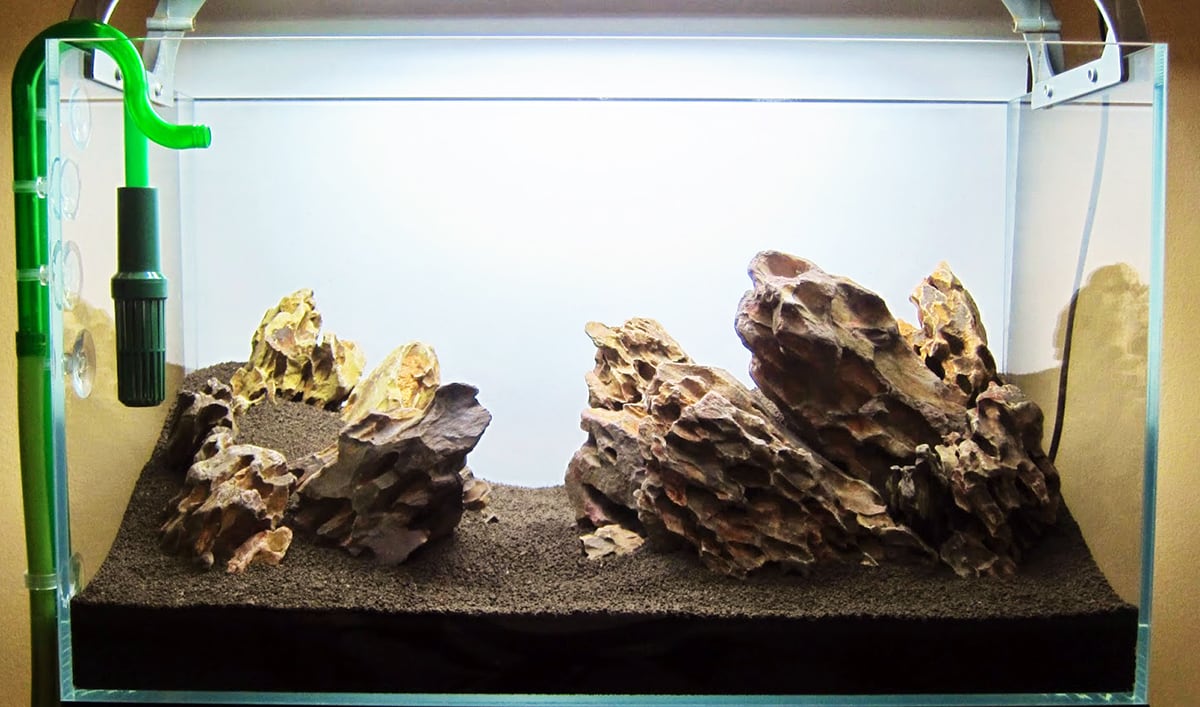
- Create a slope: Slight slope toward the back gives depth and visual interest.
- Do not compact: Avoid tightly compacting fine sand to prevent anaerobic pockets.
- Plant and hardscape: Plant before filling some water, or use the “partial fill and plant” method.
- Cycle the tank: Allow biological filtration to establish before adding sensitive fish.
Remember: rushing setup can cause issues. Ask yourself again: why is substrate important in an aquarium? Proper setup protects that investment.

Maintenance, common mistakes, and fixes
Substrate needs periodic attention. Correct habits keep bacteria healthy and roots happy.
Common issues and solutions
- Anaerobic pockets: Avoid dense compaction; stir sand gently or add pet-safe airstones if needed.
- Over-vacuuming: Removing all detritus also removes beneficial bacteria; vacuum lightly during water changes.
- Compaction: Use a mix of particle sizes or add root-friendly porous layers to prevent hard layers.
- Algae on substrate: Check lighting and nutrients; reduce light or adjust fertilization.
- pH drift with reactive substrates: Test water weekly and monitor livestock response.
A mistake I made once was vacuuming a new planted substrate aggressively. I removed the bacterial colony before it had a chance to establish. The tank developed a spike in ammonia. The lesson: be gentle and patient while biological filters form.

How substrate benefits plants, fish, and tank stability
The functional benefits of good substrate are practical and measurable.
Major benefits
- Stable biological filter: Substrate hosts nitrifying bacteria that reduce ammonia and nitrite.
- Plant nutrition and anchoring: Rooted plants access local nutrients and stay upright.
- Natural behavior: Bottom dwellers find food and shelter more easily.
- Breeding sites: Many species use substrate for laying eggs or burrowing.
- Water chemistry moderation: Certain substrates help maintain stable pH and hardness.
If you want a healthy aquarium, understanding why is substrate important in an aquarium is essential. It is the difference between a fragile display and a resilient ecosystem.

Troubleshooting substrate problems
Even with care, issues can arise. Here are quick fixes you can try.
Problems and quick fixes
- Cloudy water after setup: Rinse thoroughly and allow time for fine particles to settle.
- Excessive debris buildup: Use targeted vacuuming and consider substrate-inhabiting cleanup crew.
- pH swings after adding substrate: Test water frequently and buffer slowly if needed.
- Root rot in plants: Ensure nutrient balance; add root tabs and avoid stagnant pockets.
- Algae overgrowth: Cut back light, improve circulation, and check nutrient dosing.
As you troubleshoot, keep asking why is substrate important in an aquarium to guide solutions. The answer points to stability and balance.
Frequently Asked Questions of why is substrate important in an aquarium
What role does substrate play in biological filtration?
Substrate supplies surface area for beneficial bacteria to colonize. These bacteria break down ammonia and nitrite into less harmful nitrate.
Can I use sand for planted aquariums?
Yes, sand can be used but it may compact and reduce root oxygen. Consider mixing sand with coarser grains or adding nutrient pockets for heavy root feeders.
How deep should substrate be for live plants?
Aim for 2–4 inches for most planted tanks. Shallow depths can limit root development and nutrient storage.
Will substrate change my tank’s pH or hardness?
Some substrates, like aragonite or crushed coral, buffer pH and increase hardness. Test water after adding reactive substrates and monitor over time.
How often should I clean substrate?
Perform targeted cleaning during 20–30% weekly water changes. Avoid removing all detritus or beneficial bacteria; light vacuuming keeps debris in check.
Is bare-bottom aquarium better than using substrate?
Bare-bottom tanks are easier to clean and ideal for quarantine setups. They lack the biological surface area and natural habitat benefits substrate provides.
My water is cloudy after adding substrate — what should I do?
Rinse substrate thoroughly before adding it. If cloudiness persists, wait 24–48 hours for particles to settle, and run a mechanical filter until clear.
Conclusion
Good substrate is the silent workhorse of a healthy aquarium. It supports bacteria, plants, and animal behavior while influencing water chemistry and aesthetics. Choosing the right substrate and setting it up carefully reduces problems and boosts tank stability. Start with your tank goals, match substrate to your plants and livestock, and maintain it gently. Try a small change today—adjust substrate depth or add a planted layer—and watch your aquarium become more resilient. Share your results, subscribe for more practical aquarium guides, or leave a comment with your substrate questions.