
Low pH in your aquarium usually comes from decaying organics, weak buffering, or acidic tap water.
As a longtime aquarist and water chemistry nerd, I’ve diagnosed and fixed hundreds of low-pH tanks. This guide explains why is my ph low in my aquarium, how low pH harms fish and plants, how to test and fix it safely, and how to prevent the problem from returning. Read on for clear steps, real-world tips, and trouble‑shooting checklists you can use tonight.

Common causes of low pH in aquariums
Low pH occurs when acids build up or the tank lacks buffering capacity. Knowing the root cause helps you pick the right fix. Below are the main reasons people ask, why is my ph low in my aquarium.
- Decaying organic matter builds acids
- Leftover food, plant debris, and fish waste break down and release acids. A dirty tank often drops pH over days.
- Weak carbonate hardness (KH) and low buffering
- Low KH means the water can’t resist pH shifts. Even small acid inputs push pH down fast.
- Acidic source water or RO/DI water
- Some tap water is naturally acidic. Reverse osmosis water has almost no buffering and can read low pH without minerals.
- Driftwood, peat, and some substrates
- Natural materials release tannic and humic acids. They tint the water and lower pH over time.
- CO2 buildup in planted tanks
- Too much dissolved CO2 forms carbonic acid and drops pH. This often happens with heavy CO2 injection or poor gas exchange.
- Biological processes in new setups
- During cycling, bacteria and decomposition can cause pH swings. Young tanks often show unstable, low pH.
How low pH affects fish, invertebrates, and plants
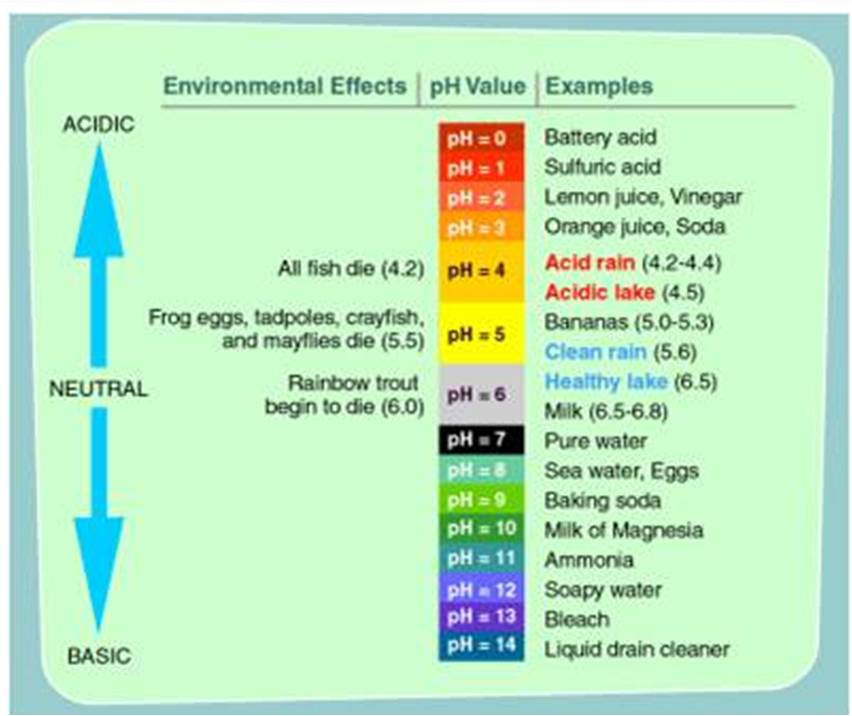
Low pH is not always deadly, but it stresses aquarium life. Understand the risks so you can act quickly when you ask, why is my ph low in my aquarium.
- Fish health and stress
- Low pH damages slime coats and gills. Sick or sensitive species may stop eating and become prone to disease.
- Metal toxicity risk
- At low pH, some metals become more soluble. Copper and lead can become toxic to fish and shrimp.
- Plant growth
- Many plants tolerate slightly acidic water. But extreme low pH can stunt growth by altering nutrient availability.
- Beneficial bacteria
- Nitrifying bacteria prefer neutral to slightly alkaline ranges. Low pH slows their activity and may spike ammonia or nitrite.

How to test and measure pH, KH, and GH correctly
Accurate testing is step one in answering why is my ph low in my aquarium. Here are practical steps to measure and interpret results.
- Use fresh, reliable test kits or a calibrated digital meter
- Liquid test kits are simple and accurate for home use. A digital meter must be calibrated regularly.
- Test KH and GH alongside pH
- KH shows buffering. GH shows mineral content. Low KH with low pH points to poor buffering, not just acidity.
- Measure at consistent times
- pH can swing during the day. Test when lights are on and off to see natural shifts.
- Record readings
* Keep a simple log. Trends over days reveal root causes better than single readings.

How to raise pH safely and effectively
When you understand why is my ph low in my aquarium, you can raise pH without shocking livestock. Use gentle, measured steps.
- Improve water changes
- Regular water changes with stable, buffered water raise pH slowly and dilute acids. Aim for 20% weekly in problem tanks.
- Add buffering minerals (baking soda or commercial buffers)
- Small, controlled doses of bicarbonate raise KH and pH. Add in increments and re-test after 1–2 hours.
- Use crushed coral or aragonite in the filter or substrate
- These release carbonate slowly and stabilize pH long-term for cichlids and marine setups.
- Remove acid sources
- Clean gravel, remove decaying plants, and limit tannin leaching materials like fresh driftwood until needed.
- Adjust CO2 in planted tanks
- Reduce CO2 injection or improve surface agitation to lower dissolved CO2 and raise pH.
- Avoid large one-time pH jumps
- Big changes stress fish. Aim for small adjustments over 24–72 hours when possible.

Preventing low pH: routine care and good habits
Once you fix a low-pH event, prevent recurrence with smart habits. Prevention answers the long-term part of why is my ph low in my aquarium.
- Keep a regular cleaning schedule
- Siphon debris, clean filters, and test water weekly.
- Maintain stable KH
- If your source water is soft, add buffering media or use a remineralizer for RO water.
- Use quality filtration
- Biological and mechanical filtration reduce waste buildup and acid production.
- Be cautious with natural decor
- Pre-soak wood and peat or choose inert decor. Replace or treat tannin-rich items when needed.
- Match water chemistry to livestock needs
- Choose fish compatible with your local water or adjust slowly to match species needs.

Step-by-step troubleshooting checklist
If you are asking why is my ph low in my aquarium right now, follow this checklist to fix it fast.
- Test pH, KH, GH, ammonia, nitrite, and nitrate.
- Do a 20–30% water change with water matched for temperature and pH.
- Check for decaying matter and remove it.
- Inspect filter media and rinse in tank water if clogged.
- Add small doses of carbonate (baking soda) only if KH is low, and retest often.
- Reduce CO2 injection or boost surface agitation if CO2 is high.
- If pH remains low after corrections, consider using buffering substrate or a remineralizer for RO water.
Personal experience and practical tips
I once had a planted 20-gallon tank drop to pH 6.0 overnight. I panicked and nearly did a full tank change. Instead, I tested KH and found it at 0–1 dKH. A 30% water change and a small dose of baking soda raised KH and stabilized pH to 7.0 over three days. The fish recovered quickly. Key lessons I learned:
- Test KH early. Buffering matters more than pH alone.
- Small, steady fixes beat dramatic changes.
- Keep a log; trends reveal hidden issues.
Signs you need to act immediately
Certain signs mean act now when you wonder why is my ph low in my aquarium.
- Sudden pH drop of 0.5 or more within 24 hours.
- Fish gasping at the surface or showing rapid breathing.
- Visible stress, loss of color, or unusual behavior.
Take quick water tests and perform a partial water change. Move sensitive livestock if needed.

Long-term solutions for chronic low pH
If your tank often asks, why is my ph low in my aquarium, apply these long-term fixes.
- Consider a remineralizer for RO/DI water
- This adds stable minerals and buffering to RO water.
- Use buffering substrates for cichlids and marine setups
- Choose substrates that release carbonate slowly.
- Install a dependable test-and-record routine
- Regular logs let you catch trends early.
- Tailor livestock to local water
- Some species thrive in slightly acidic water; match fish to your chemistry.
Frequently Asked Questions of why is my ph low in my aquarium
Why does my aquarium pH drop after lights go off?
Nighttime pH drops when plants stop photosynthesizing and continue to respire, raising CO2 and forming carbonic acid. Good aeration and steady KH reduce the night drop.
Can I raise pH quickly with baking soda?
Baking soda can raise pH quickly but only in small, controlled doses. Always measure KH and add slowly, testing after each dose to avoid shocking fish.
Does driftwood always lower pH?
Most fresh driftwood releases tannins and mild acids that lower pH, especially at first. Boiling, soaking, and pre-treating wood reduces the effect.
Is low pH the same as soft water?
Not always. Low pH refers to acidity, while soft water means low mineral content. But soft water often lacks buffering and can lead to low pH swings.
How often should I test pH to monitor stability?
Test pH weekly for stable tanks and daily for tanks with recent issues or sensitive species. Keep a short log to track trends and changes.
Conclusion
Low aquarium pH usually stems from acids, poor buffering, or source water issues. Test pH, KH, and GH first, then take slow, measured steps to correct the cause. Regular cleaning, stable buffering, and careful decor choices are the best long-term defenses. Start a simple testing routine today, make small fixes, and watch your tank stabilize—your fish and plants will thank you. Share your experience or questions below, subscribe for more guides, or try the troubleshooting checklist in your next water test.