Low aquarium pH usually comes from soft/acidic water, decaying organics, or CO2 buildup.
I’ve kept and managed tanks for years, so I know how worrying a sudden dip in pH can feel. This article explains why is my pH low in aquarium, how low pH affects fish and plants, and step-by-step fixes you can trust. You’ll get clear testing methods, safe treatments, prevention plans, and real-life tips I’ve learned from tank failures and successes. Read on to confidently diagnose and correct low pH in your aquarium.
 aquarium”
style=”max-width: 100%; height: auto; border: 2px solid black; border-radius: 10px; display: block; margin: 0 auto;”
loading=”lazy”
/>
Common causes: why is my ph low in aquarium
Low pH in aquariums has predictable roots. Knowing them helps you fix the problem without guessing.
- Soft or naturally acidic source water.
Many municipal or well sources are low in carbonate hardness and return acidic water to the tank. This makes the aquarium pH drop easily. - Decaying plant matter, uneaten food, and waste.
Organic decay releases acids. In a closed system, acids build up unless filtered and changed regularly. - High CO2 levels in the water.
Excess CO2 converts to carbonic acid and lowers pH quickly, especially in planted or tightly covered tanks. - Low buffering capacity (KH).
If carbonate hardness (KH) is low, the tank can’t resist pH shifts. Small acid inputs then cause big drops. - Peat, driftwood, or acidic substrates.
These materials leach tannins and organic acids that lower pH over time. - Biological cycles and bacterial blooms.
Nitrogen cycle imbalances release acids; sudden bacterial growth can change pH transiently. - Improper chemical use or overdosing.
Some chemical additives inadvertently lower pH if used incorrectly.
I’ve seen tanks crash after adding a lot of leaf litter and skipping water changes. That slow acid build-up was easy to miss until fish showed stress. Recognizing these common causes stops guesswork and helps you act fast.

How to test and monitor pH and related parameters
Testing correctly is the first step when asking why is my ph low in aquarium. Bad data leads to bad fixes.
- Use a reliable pH meter or high-quality test kits.
pH strips are okay for rough checks but meters or liquid kits are more accurate. - Test KH (carbonate hardness) and GH (general hardness).
Low KH means poor buffering and higher pH swings. - Measure CO2 if you run injected CO2.
CO2 and pH are linked; a CO2 controller or drop checker helps. - Record readings daily during a problem.
Track pH in morning and evening for several days to see patterns. - Check source water pH and KH.
Testing water straight from the tap and after sitting 24 hours clarifies whether the problem starts in your supply.
From experience, a cemented routine of testing for a week saved a tank from repeated shocks. Short, frequent checks are better than sporadic deep dives.

Effects of low pH on fish, invertebrates, and plants
Understanding consequences clarifies urgency when you wonder why is my ph low in aquarium.
- Stress and weakened immunity in fish.
Many fish show rapid breathing, lethargy, or loss of appetite with low pH. - Difficulty with biological processes.
Low pH can inhibit beneficial nitrifying bacteria, causing ammonia and nitrite spikes. - Harm to sensitive species and invertebrates.
Shrimp and some snails can decline quickly when pH is too low or unstable. - Reduced growth or nutrient uptake in plants.
Some plants adapt to low pH, but others show stunted growth or nutrient lock-out.
I once lost a small colony of shrimp after a slow pH drop tied to peat leaching. The lesson: invertebrates are less forgiving than many fish.
Safe short-term fixes when pH is low
When you need quick relief, do these safe steps first. Avoid rapid swings — fish tolerate gradual change.
- Perform a partial water change using water with higher KH.
Use aged tap water with similar temperature to avoid shock. Swap 20–30% and re-test. - Remove decaying matter and vacuum the substrate.
Take out dead leaves, uneaten food, and excess detritus to stop ongoing acid release. - Stop CO2 injection temporarily if CO2 is high.
Reducing CO2 lowers carbonic acid and helps pH recover. - Add aeration to increase gas exchange.
More surface agitation helps excess CO2 escape and supports bacterial activity. - Use a pH-neutralizing commercial product cautiously.
These are for short-term correction; follow instructions and avoid overdosing.
From practical trials, gentle partial changes plus aeration often stabilize pH in 24–48 hours. Quick chemical fixes can mask the real problem and cause rebound, so use them sparingly.

Long-term solutions to stabilize pH
To stop asking why is my ph low in aquarium again, focus on buffering and steady habits.
- Raise and maintain KH with carbonate buffers if needed.
Increasing KH by a few degrees prevents dramatic pH swings. - Choose stable substrates and decor.
Avoid excessive peat or acidic woods unless you want a low-pH biotope. - Regular maintenance schedule.
Consistent water changes, substrate cleaning, and filter maintenance control organic acid buildup. - Improve filtration and biological balance.
A healthy filter and stable bacterial colonies reduce spikes in acid-producing wastes. - Use reverse osmosis (RO) or blended water for sensitive setups.
Mixing RO water with tap water lets you tailor hardness and pH precisely. - Use a reactor or media to remove tannins if wood or leaves are the cause.
Activated carbon or specific resins reduce leaching over time.
I balance KH and regular small water changes in my planted tanks. That approach stopped my frequent pH swings and made fish and plants visibly healthier.

Common mistakes and how to avoid them
Many people make similar errors when fixing low pH. Avoid these to keep your tank stable.
- Overcorrecting with chemicals that cause a rapid pH spike.
Sudden rises are more harmful than gradual correction. - Ignoring source water tests.
If your tap water is acidic, fixes must start there. - Treating symptoms instead of causes.
Masking low pH without removing acids or raising KH leads to recurrence. - Mixing untested additives and hobby remedies.
Stick to proven products and test after each change. - Skipping patience after fixes.
Wait and monitor for several days before making more adjustments.
A quick anecdote: I once added a strong alkalizing agent to fix pH overnight. Within hours some fish were gasping. I had to do large water changes and slow the correction. That taught me to always err on the side of gradual change.

Choosing treatments: what to use and when
Match the treatment to the cause when you ask why is my ph low in aquarium. Here are options and when to use them.
- Buffering salts (carbonate buffers) for low KH.
Use when KH is low and pH swings are frequent. - RO or RO/DI water for unpredictable tap chemistry.
Use when your source water is very soft or unstable. - Activated carbon or tannin-removing resins for wood/peat tint.
Use when tannins lower pH and color the water. - Aeration and water changes for CO2-related drops.
Use when high CO2 or poor surface exchange is the issue. - Biological balance and doubled filtration for waste-driven acidity.
Use when decay and poor filtration cause persistent low pH.
Always dose conservatively. Test before and after adding any chemical. If you’re unsure, consult experienced aquarists or a local store for help tailored to your tank.
Practical checklist to stabilize pH today
Use this short action list to act fast and smart.
- Test pH, KH, GH, CO2, ammonia, nitrite, and nitrate.
- Do a 20–30% water change with prepared water of proper KH.
- Remove decaying matter and clean the substrate lightly.
- Increase surface agitation and pause CO2 injection.
- Adjust buffering slowly if KH is low, following instructions.
- Monitor daily for at least a week.
This step-by-step plan helped me bring a low-pH community tank back to stable levels in under a week without losing livestock.
Frequently Asked Questions of why is my ph low in aquarium
Why is my aquarium pH suddenly low?
A sudden drop usually comes from sudden organic decay, CO2 spikes, or chemical contamination. Test for ammonia, nitrite, CO2, and check recent additions to the tank.
Can low pH kill fish quickly?
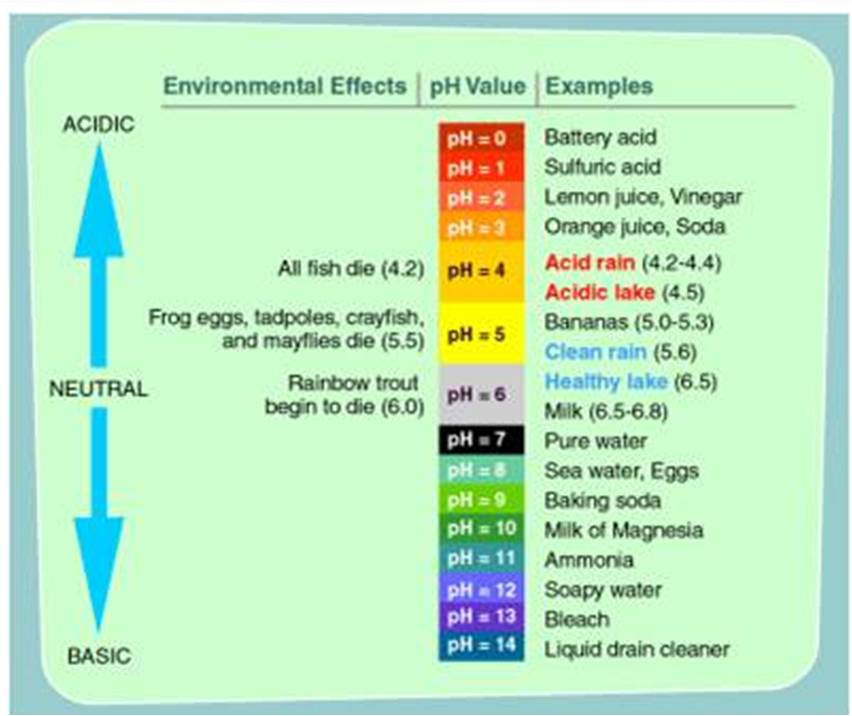
Yes, very low pH or rapid pH swings can harm fish and invertebrates quickly by stressing their physiology. Slow correction reduces the risk of fatalities.
How much should I raise pH per day?
Aim for no more than 0.2 to 0.3 pH units per day to avoid shock. Focus on raising KH gradually to stabilize pH long-term.
Will water changes fix low pH?
Partial water changes often help if the replacement water has higher KH and pH. They also remove acids from decaying matter and reduce pollutants.
Is CO2 the main reason my planted tank pH is low?
CO2 is a common cause in planted tanks, especially with injection. Excess CO2 forms carbonic acid and lowers pH, so adjust injection and aeration if needed.
Conclusion
Low aquarium pH is common but fixable when you understand why is my ph low in aquarium and act methodically. Test first, remove sources of acid, stabilize KH, and make slow, measured corrections. My best advice is to prioritize regular testing and small, consistent maintenance steps. Start with the checklist above, track results, and you’ll see steady improvement.
Take action today: test your water, follow the safe fixes, and share your results or questions in the comments to get tailored help.