High aquarium pH often comes from hard tap water, carbonate buffers, or excessive aeration.
I’ve managed dozens of tanks and seen the same question again and again: why is my ph high in aquarium? This guide breaks down the real causes, clear tests, and step-by-step fixes you can trust. I’ll share hands-on tips I use in my own tanks, explain how chemistry and maintenance drive pH, and give practical solutions that work for freshwater community, planted, and cichlid setups.
Why is my ph high in aquarium: common causes
Why is my ph high in aquarium is one of the most common questions for new and veteran keepers. High pH usually comes from the water source, tank materials, or an imbalance between alkalinity and CO2. Understanding the root cause helps you pick a safe, long-term solution.
Common causes:
- Hard tap water and high carbonate hardness (KH) which buffer pH upward.
- Crushed coral, limestone, or certain substrates that leach carbonate minerals.
- Overuse of baking soda or alkaline additives to treat low pH quickly.
- Intense aeration or low CO2 in planted tanks, which raises pH by shifting carbon chemistry.
- Algae blooms that consume CO2 during daylight and push pH up.
How pH works and how to test it
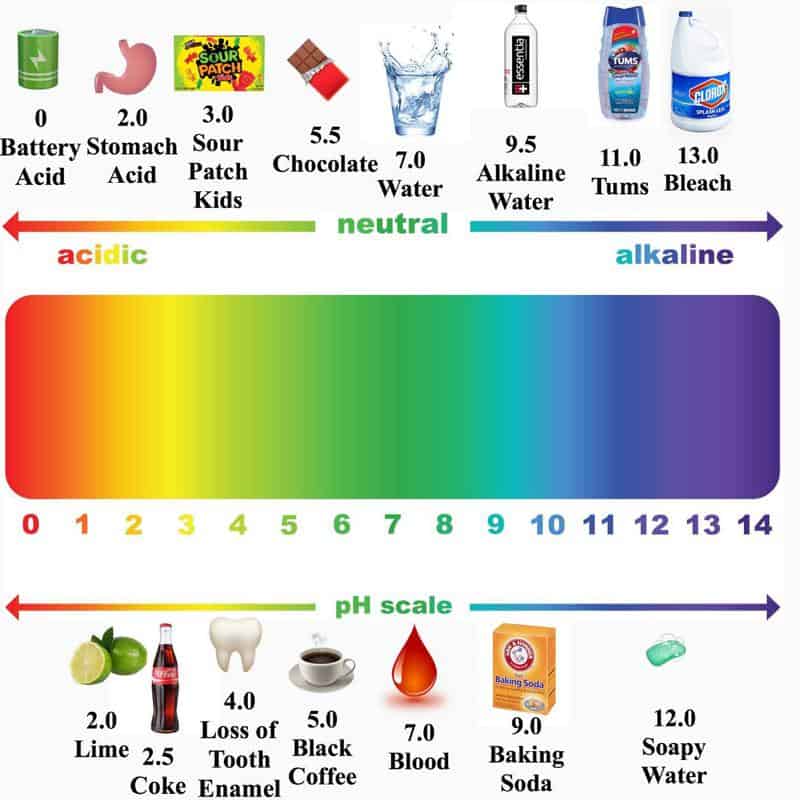
A quick grasp of chemistry prevents guesswork. pH measures hydrogen ion activity on a scale from 0 to 14. Small changes matter; a shift of one pH unit is a tenfold change in acidity.
How buffer systems affect pH:
- Carbonate hardness (KH) stabilizes pH by neutralizing acids.
- High KH resists drops in pH and often keeps tanks above neutral.
- Low CO2 or photosynthesis removes acid and raises pH in planted tanks.
How to test pH correctly:
- Use a quality digital pH meter and calibrate it regularly.
- Verify results with liquid test kits if you suspect meter drift.
- Test tap water, tank water, and after any treatment to compare values.

Step-by-step troubleshooting when you ask "why is my ph high in aquarium"
Follow a simple checklist to find the cause and limit stress to fish. Work slowly and avoid big water chemistry swings.
Troubleshooting steps:
- Test tap water pH and KH first to see if the source is high.
- Inspect substrate and décor for carbonate rocks or shells.
- Check recent changes: did you add buffering salts, baking soda, or crushed coral?
- Look for heavy aeration or low CO2 in planted tanks causing daytime pH spikes.
- Measure pH over 24 hours to spot swings tied to photosynthesis.

Practical fixes to lower aquarium pH
Once you know why is my ph high in aquarium, pick a targeted fix. Use gentle, steady methods rather than quick fixes that harm fish.
Safe, effective fixes:
- Perform partial water changes with lower-pH source water to dilute buffering minerals.
- Use RO/DI water or a blend of RO and tap water when source water is very hard.
- Replace carbonate substrates or remove coral rubble and limestone décor.
- Add peat moss in a filter or use and rinse driftwood to release tannins for a mild pH drop.
- Consider CO2 injection in planted tanks to lower pH and boost plant growth.
- Avoid abrupt chemical pH down products unless you closely monitor water parameters.
Quick tips for dosing and safety:
- Change no more than 10–20% of pH per week for sensitive species.
- Buffer towards a target pH by adjusting KH slowly, not by forcing pH down.
- Always test KH and pH together; lowering pH with unchanged high KH is temporary.
Prevention and tank maintenance to keep pH stable
Preventing recurrence is easier than chasing pH swings. Regular habits protect fish and plants.
Prevention checklist:
- Test tap water monthly and after municipal changes.
- Keep consistent maintenance: regular water changes and gravel vacuuming.
- Avoid adding unknown rocks or shells without testing them in vinegar first.
- Stabilize KH to a level suited for your fish, then maintain it.
- Monitor planted tanks for CO2 and adjust aeration schedule to avoid daytime spikes.

Personal experience and lessons learned
I once battled a planted community tank that kept hitting pH 8.2. My tests showed tap water KH near 10 dKH. I switched to a 50/50 blend of RO and tap water and added a modest CO2 setup. pH dropped to 7.2 and stayed steady. The plants and fish stabilized within weeks.
Lessons from hands-on practice:
- Don’t assume a product will fix everything; match the fix to the cause.
- Measure before you change. Tests guide safer actions.
- Small, consistent steps beat dramatic fixes that shock livestock.
Frequently Asked Questions of why is my ph high in aquarium
Why is my ph high in aquarium but fish seem fine?
Many fish tolerate higher pH if it’s stable. Rapid swings are more harmful than a consistently high pH, so stability is the priority.
Can substrate alone raise pH in my tank?
Yes. Substrates like crushed coral or aragonite slowly dissolve and raise KH and pH over time, especially in soft or acidic water.
Will adding peat lower pH quickly?
Peat lowers pH gradually by releasing tannins and reducing alkalinity. Expect slow changes over days to weeks rather than immediate drops.
Is it safe to use pH down chemicals?
pH down chemicals can be safe if used carefully, but they can cause rapid swings and stress. Always dose small amounts and monitor KH and pH closely.
How do I test pH accurately at home?
Use a calibrated digital pH meter for daily checks and a liquid test kit for verification. Test tap and tank water at different times to see variations.
Can aeration raise pH in my aquarium?
Yes. Strong aeration increases gas exchange and can strip CO2, which reduces acid in water and raises pH, especially in planted or low-CO2 systems.
Conclusion
A high aquarium pH is usually traceable to water source hardness, buffering materials, or gas exchange. Test systematically, act slowly, and choose fixes that match the cause to protect your fish and plants. Start by testing tap water and tank KH, then apply one controlled change at a time and monitor results. Try a small water change with blended RO water or reduce carbonate sources to see steady improvement.
Take action today: test your water, identify the cause, and make one measured adjustment. Share your results or questions in the comments and subscribe for more practical aquarium tips.