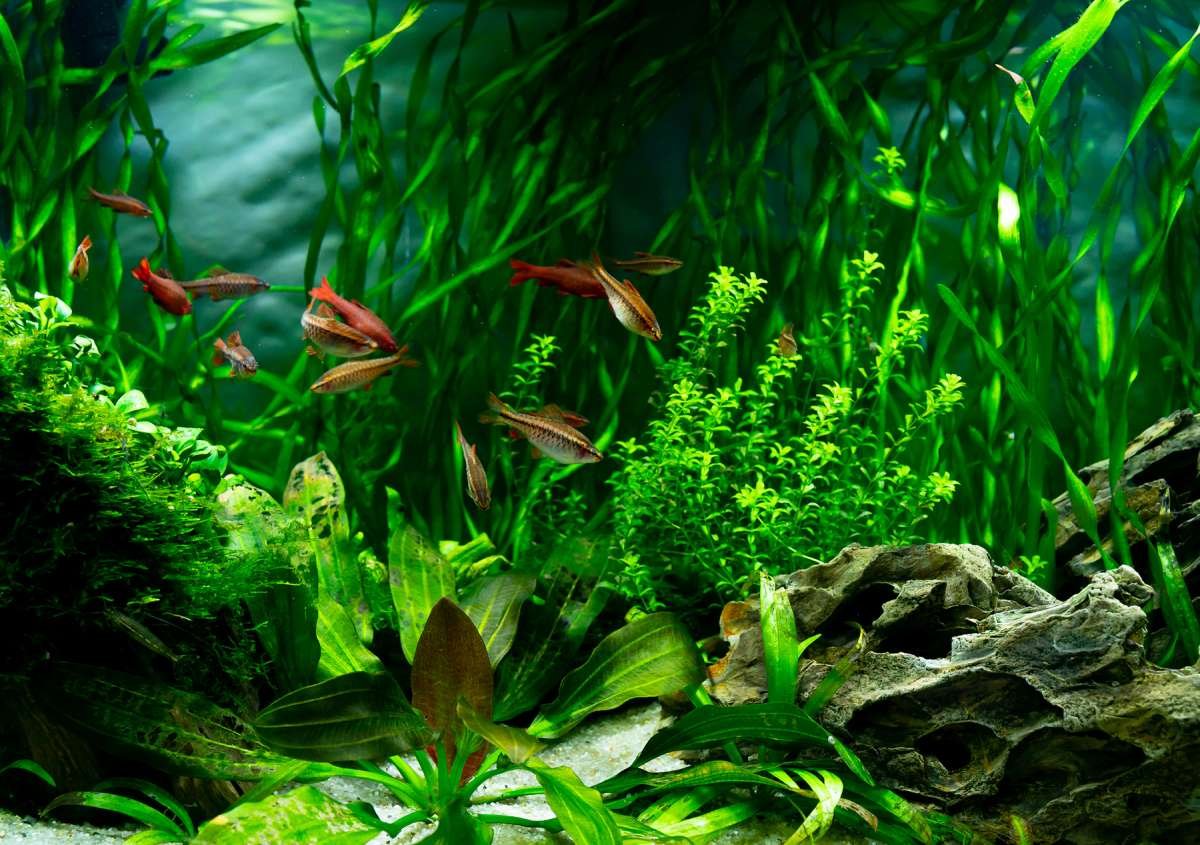
Too much organic waste, CO2 buildup, or soft water often makes aquarium water acidic.
I have kept freshwater tanks for years and have fixed pH problems many times. I will explain why is my aquarium water so acidic with clear steps, tests, and fixes. You will learn causes, simple tests, practical fixes, and long-term care in plain language. Read on to take control of your tank and protect your fish and plants.

Common causes of acidic aquarium water
Acidic water means a low pH. pH below 7 is acidic. Many home aquariums trend acidic for a few simple reasons. If you ask why is my aquarium water so acidic, start by checking these common causes.
- High organic load from uneaten food, decaying plants, and fish waste. This creates acids as it breaks down.
- CO2 buildup from heavy plant respiration at night or poor gas exchange. CO2 lowers pH quickly.
- Soft water or low buffering capacity (low KH). Soft source water cannot resist pH swings.
- Peat, driftwood, or certain substrates. These materials release tannins and mild acids.
- Overuse of chemical additives or incorrect water conditioners.
- Acid rain or acidic tap water in some regions. Municipal supply can be naturally low in pH.
From my experience, a new tank with lots of driftwood and slow water changes is the most common scenario I see when owners ask why is my aquarium water so acidic. Short daily checks catch it early.

How to test pH, KH, and CO2 levels
Testing is the first step. Do not guess. Accurate tests show why is my aquarium water so acidic and point to the fix.
- Test pH with a reliable liquid test kit or a calibrated digital meter. Calibrate digital meters often.
- Test carbonate hardness (KH). Low KH means poor buffering and pH swings.
- Measure general hardness (GH) to see if water is soft.
- Observe CO2 indirectly: rapid pH drop at night or pH swings large versus KH indicate CO2 issues.
- Keep a log of readings after water changes, feeding, and light cycles.
I recommend testing pH daily during troubleshooting and then weekly when stable. In one tank I kept a pH log for two weeks and found nightly CO2 spikes dropped pH by 1. That log solved the mystery of why is my aquarium water so acidic.

Effects of acidic water on fish, plants, and equipment
Low pH affects life and gear in the tank. Understanding these effects helps you act fast.
- Fish stress and immune suppression. Some species tolerate low pH, but many do not.
- Reduced beneficial bacteria activity. Nitrifying bacteria work slower in acidic water.
- Plant nutrient uptake changes. Some nutrients become less available; others can become toxic.
- Metal leaching from equipment and fittings can increase in low pH, harming inhabitants.
If you wonder why is my aquarium water so acidic and your fish hide, gasp, or show clamped fins, treat the cause promptly. I once lost a small school of tetras after pH drifted down over several days. That taught me to check KH as well as pH.

How to fix acidic aquarium water: step-by-step
Fixes must be safe and gradual. Sudden pH swings harm fish more than steady low pH. Use this step-by-step plan when you ask why is my aquarium water so acidic.
- Diagnose first
- Test pH, KH, GH, and note aquarium behavior.
- Do safe water changes
- Replace 20 to 30 percent with properly treated water. Repeat over days.
- Raise KH safely if buffering is low
- Use baking soda (sodium bicarbonate) for quick short-term raises. Dose slowly and test often.
- Use commercial buffering products for stable, longer-term control.
- Reduce organic load
- Vacuum substrate, remove decaying plants, and cut feeding by 25–50 percent.
- Improve gas exchange and circulation
- Add surface agitation or adjust filters to reduce CO2 buildup.
- Remove or treat acidifying materials
- Replace peat or reduce driftwood contact if tannins are the cause.
- Re-check and fine-tune
- Monitor daily until stable, then weekly.
From my tests, adding a little baking soda raised KH and stabilized pH quickly. I mixed dosing with 15-minute checks. Do not add lime or crushed coral in large amounts without planning; they raise hardness and can overshoot the pH.
Preventing acidic water long-term
Prevention keeps your tank healthy and saves stress. If you want to stop asking why is my aquarium water so acidic, follow these routines.
- Test water weekly for pH and KH. Keep a simple chart.
- Maintain regular water changes with water matched to tank parameters.
- Avoid overfeeding and do routine substrate cleaning.
- Use a stable source water or treat tap water to match tank pH and KH.
- Balance plant load and filtration to control CO2 and organic waste.
- Condition new driftwood or peat outside the tank before adding.
A small habit: I keep a jar of mixed tank water for quick top-offs. It prevents sudden changes and helps keep the pH steady. This cut my pH alarms by half.

Frequently Asked Questions of why is my aquarium water so acidic
What immediate action should I take if pH falls suddenly?
Stop major changes and test pH, KH, and GH right away. Do a small water change and improve surface agitation to lower CO2.
Can I use baking soda to raise aquarium pH?
Yes, baking soda raises KH and buffers pH safely when dosed slowly. Always test after each small addition.
Does driftwood always make water acidic?
Driftwood often releases tannins that lower pH slightly, but not all wood causes major acidity. Pre-soaking reduces the effect.
Is acidic water always bad for fish?
Not always. Some species like discus and bettas prefer mildly acidic water. Rapid changes or extreme acidity are the main risk.
How often should I test pH and KH to avoid problems?
Test weekly once your tank is stable. Test daily while troubleshooting or after major changes.
Conclusion
Acidic aquarium water usually comes from organic waste, CO2 buildup, soft source water, or acidifying decor. Test pH and KH first. Make gradual fixes like water changes, buffering, and better gas exchange. Keep simple routines to prevent a repeat.
Take action today: test your water, log results, and apply one small fix this week. Share your tank story or ask a question below to get tailored advice.