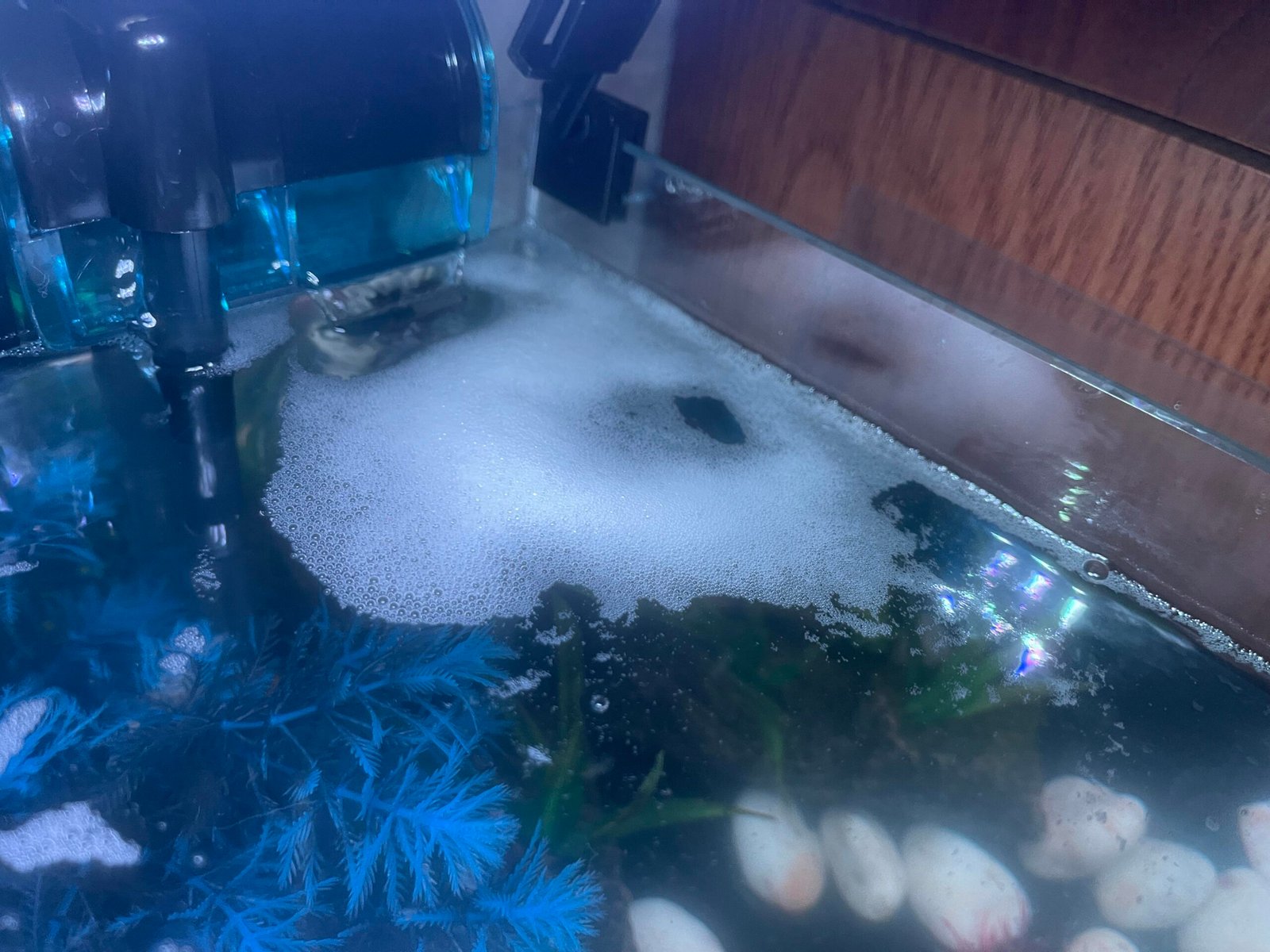
Aquarium water often appears bubbly due to aeration, water movement, or chemical reactions.
Bubbles in your aquarium can be a delightful spectacle, but sometimes they might signal underlying issues. As a seasoned aquarium enthusiast, I can help you decode this bubbly mystery. In this article, you'll uncover possible reasons for bubbly water in your aquarium and learn how to address each scenario effectively. Dive in and explore the fascinating world of aquarium dynamics, armed with actionable insights and expert advice.
Understanding Bubbles in Aquariums
Aquarium bubbles aren't just a cosmetic feature; they can be indicative of several processes happening within the tank. Here's what might be causing your aquarium water to be bubbly:
Aeration
Aeration processes introduce oxygen into the water. This is commonly done using air pumps and stones. The bubbles created are generally harmless as they aid in maintaining oxygen levels and ensuring the well-being of aquatic life.
- Air Stones: Small devices connected to an air pump to release air bubbles by breaking up the air into tiny streams.
- Waterfall Effects: Created by filters that cascade water back into the tank, introducing oxygen and causing bubbles.
Water Movement
Water movement is crucial for recreating a natural environment for your fish. Powerheads, filters, and pumps increase circulation, which can lead to bubbles forming on the surface.
- Powerheads: Enhance water flow, mimicking ocean currents or river streams.
- Surface Agitation: Helps in dispersing excess CO2 and absorbing oxygen.
Chemical Reactions
Sometimes, chemical reactions result in bubbles, particularly if the tank is new or being cleaned using certain chemicals.
- New Tank Setup: Residues from manufacturing might react and cause temporary bubbling.
- Water Conditioners: Some treatments introduce compounds that form bubbles upon application.
Protein Film
A protein film can accumulate on the water surface, producing tiny bubbles that linger.
- Organic Waste: Accumulation from uneaten food or waste can form a film.
- Regular Maintenance: Cleaning is vital to prevent build-up.
Biological Activities
The life within your tank, including plants and fish, can contribute to bubbling.
- Photosynthesis: Plants release oxygen during the day, forming bubbles.
- Fish Activity: Stir up the surface, creating bubbles in the process.
How to Manage Bubbles in Your Aquarium
A specific approach is necessary depending on the bubble's source. Here are some strategies:
Routine Maintenance
Regular maintenance can reduce unwanted bubbles caused by waste or residue build-ups.
- Clean the tank and replace water periodically.
- Use protein skimmers if necessary.
Adjust Equipment
Ensure equipment like air pumps and filters are set correctly to avoid excessive aeration.
- Monitor bubble size and adjust accordingly.
- Ensure filters are suitable for your tank size.
Evaluate Chemical Use
Check for chemical reactions and consider switching to different water conditioners.
- Avoid overuse of chemical treatments.
- Test water parameters to ensure balance.
Observation
Paying attention to your tank’s inhabitants can offer clues.
- Observe plant behavior and adjust lighting.
- Watch fish interaction with the surface.
Frequently Asked Questions
Why are bubbles forming on my aquarium plants?
Plants release oxygen during photosynthesis, causing bubbles to form, especially under strong light.
Are air bubbles harmful to fish?
Generally, no. However, excessive bubbles can stress fish if water conditions are poor.
How can I stop film-related bubbles?
Regularly clean your tank and use surface skimmers to prevent protein films.
Why do new tanks have bubbles?
Bubbles in new tanks can result from manufacturing residues and should dissipate over time.
What chemicals cause bubbling?
Certain water conditioners and cleaning products can cause temporary bubbles when added.
Conclusion
Understanding why your aquarium water is bubbly is crucial in ensuring a healthy environment for aquatic life. By identifying the cause and applying the right solutions, you can maintain a lively and safe habitat. Apply these insights, and embark on your journey to a well-balanced aquarium. Dive deeper into these topics by exploring our other articles, subscribing to our blog, or sharing your own experiences in the comments below.