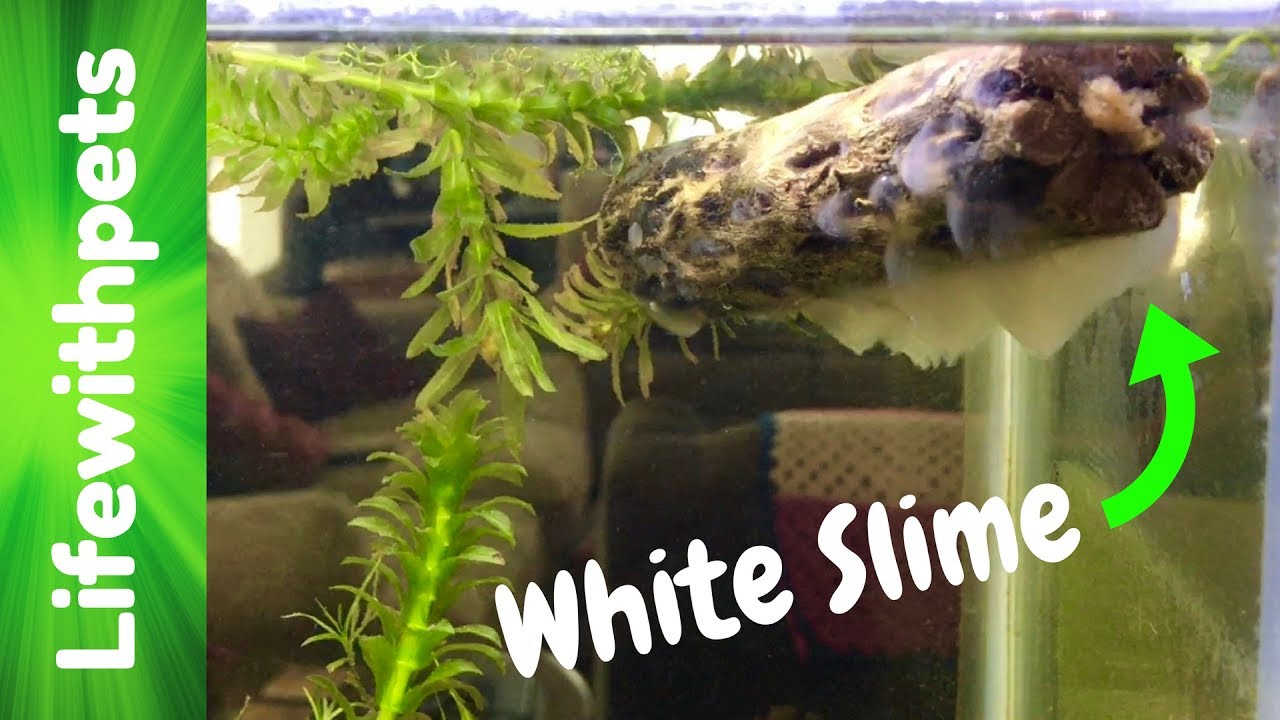
Most aquariums become slimy due to algae growth and excess nutrients.
Aquarium enthusiasts often encounter the pesky problem of a slimy tank. If you're wondering, "Why is my aquarium slimy?" you're not alone. A slimy aquarium can be an eyesore and a headache to manage, but understanding the causes can lead to effective solutions. This guide will explore the reasons behind a slimy aquarium, offering expert insights and practical advice to keep your tank clean and healthy.
Common Causes of a Slimy Aquarium
Maintaining an aquarium is both an art and a science. The appearance of slime can be a result of several factors:
Algae Overgrowth
Algae are often the main culprits behind that slimy feeling. They thrive on light and nutrients, making an aquarium an ideal environment for them to flourish. When not controlled, algae can quickly cover tank surfaces, creating that unsightly slime.
Excess Nutrients
High levels of nutrients like phosphates and nitrates often lead to algae blooms. These nutrients can come from leftover fish food, fish waste, or poor-quality water sources. Managing these levels through regular water changes is crucial.
Poor Water Circulation
Inadequate water circulation can lead to stagnant areas in the aquarium, which promotes the growth of bacteria and algae. Ensuring good filtration and flow prevents the buildup of slime.
Light Exposure
Excessive lighting can encourage algal growth. Keeping lights on for too long or using overly intense lights can create an ideal setting for algae to prosper.
Overfeeding
Feeding your fish too much not only increases nutrient levels in the water but also contributes to waste buildup. Keep feeding to a minimum to prevent excess food from decomposing and creating a nutrient-rich environment.
Effective Solutions for a Slimy Aquarium
Knowing what causes the slime is half the battle. Here are practical ways to tackle it:
Regular Maintenance
- Perform Weekly Water Changes: Replace 10-15% of the water each week to control nutrient buildup.
- Clean Surfaces: Regularly scrub tank surfaces and decorations to remove algae.
Control Lighting
- Limit Light Exposure: Keep the tank lights on for a maximum of 8-10 hours a day.
- Consider LED Lights: Use adjustable LED lights that mimic natural sunlight patterns.
Improve Filtration
- Upgrade the Filter: Ensure the filter is adequate for your tank's size and stock.
- Add Aeration: Air stones can help improve oxygen levels and circulation.
Introduce Algae Eaters
- Fish and Snails: Consider adding algae-eating fish or snails to your tank.
- Diversity: Different species target different types of algae.
Personal Experiences and Insights
In my journey with aquariums, maintaining balance was pivotal. Early on, I underestimated the power of weekly water changes, leading to unsightly algae. Learning about nutrient balance and the magic of algae eaters transformed my tank. Remember, the key to a clean aquarium is consistency and balance.
Frequently Asked Questions
What causes slime on aquarium glass?
Slime on glass is usually caused by algae or bacterial growth due to excess nutrients.
How do I stop algae from growing in my tank?
Control nutrients, maintain proper lighting, and introduce algae-eating species.
Is slime bad for fish?
While some algae are normal, excessive slime can indicate poor water quality and stress fish.
How often should I clean my aquarium?
Regular maintenance, including weekly water changes and monthly deep cleaning, is essential.
Can too much light cause algae growth?
Yes, excessive light promotes algae. Limit exposure to 8-10 hours daily.
Conclusion
A slimy aquarium is a common issue that can be tackled with understanding and consistent care. By managing light, nutrients, and filtration, you can maintain a healthy, clean tank. Transform your aquarium experience by implementing these expert tips, and consider sharing your journey or subscribing for more aquarium insights. Your underwater world can be vibrant and slime-free with the right approach.