A low pH in your aquarium often results from natural biological processes, insufficient buffering, or poor water quality.
Maintaining the right pH level in your aquarium is crucial for the health of your aquatic life. When the pH drops too low, it can create a stressful environment for fish and plants, potentially leading to health issues or even death. Understanding why your aquarium pH is low can help you take corrective actions and create a stable, thriving environment. Let's dive into the reasons and solutions to ensure your aquatic pets live in optimal conditions.
Causes of Low pH in Aquariums
Biological Processes
Fish waste, uneaten food, and decaying plant material can all release acids into the water. Over time, these acids lower the pH. Regular cleaning and maintenance help mitigate this effect, ensuring waste doesn't accumulate and degrade water quality.
Insufficient Buffering
The buffering capacity of water, often measured by its hardness, plays a key role in maintaining pH stability. If your water is too soft, it lacks the minerals needed to neutralize acids, leading to a drop in pH. Using products like crushed coral or limestone in your filter can enhance buffering.
Poor Water Source
Sometimes, the source water itself can be naturally acidic. Testing the water before adding it to your aquarium is crucial. If the pH is low from the start, consider treating your water with conditioners or using a different source.
Overpopulation
An overcrowded tank increases waste production, leading to more acids being released into the water. Ensuring your aquarium is appropriately stocked can prevent pH from dropping, providing a healthier home for your fish.
Incorrect Substrate
Certain substrates can also influence pH levels. For example, peat or specific types of driftwood can release tannins that lower pH. If you're experiencing consistent pH drops, consider replacing the substrate or adding a neutralizing agent.

How to Correct Low pH
Regular Maintenance
Conduct regular water changes and clean decor and substrate to remove waste buildup. Consistency in maintenance ensures acids don’t accumulate excessively.
Use Buffering Agents
Consider using commercial buffering agents. They stabilize pH by increasing the hardness of your water. Be sure to follow the product instructions closely.
Adjust Stock Levels
Reassess the species and number of fish in your tank. Reducing the population can decrease waste production and help stabilize pH.
Test Water Source
Always test and, if necessary, treat your source water. Water conditioners specifically designed to raise pH can be a helpful tool.
Aquarium-Friendly Substances
Adding crushed coral or limestone increases your tank’s buffering capacity. These natural substances dissolve slowly, releasing minerals that help balance pH.

Monitoring and Prevention
Regular Testing
Use reliable test kits to monitor pH and other water parameters. Regular testing helps you catch issues before they become severe.
Invest in Quality Filtration
A high-quality filter removes excess waste and can even incorporate materials that aid in buffering your water.
Educate Yourself
Stay informed about the specific needs of the species you keep. Some fish may require specialized conditions beyond general pH levels.
Consistent Routine
Establish and stick to a routine for maintenance, feeding, and cleaning. Consistency helps prevent sudden changes that can affect pH.
Seek Expert Advice
Don’t hesitate to consult aquarium professionals or experienced hobbyists for guidance customized to your tank's needs.
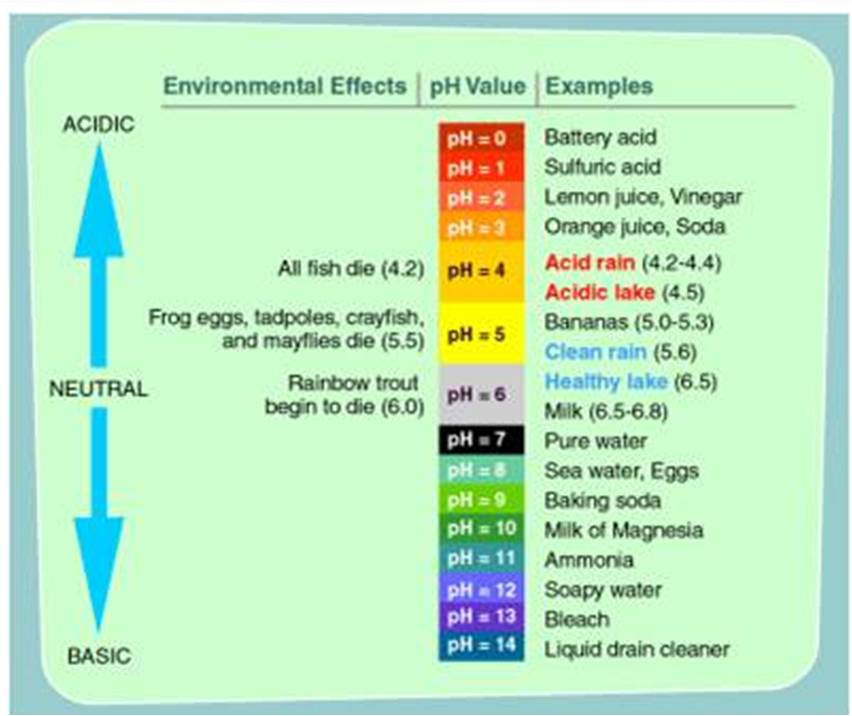
Frequently Asked Questions about Low Aquarium pH
What are the symptoms of low pH in fish?
Fish may exhibit stress, lethargy, or rapid gill movement. Long-term exposure can lead to illness or death.
How often should I test my aquarium's pH?
It's generally recommended to test your pH weekly or whenever you notice behavioral changes in your fish.
Is low pH harmful to all fish?
Not all fish are affected equally. Some species, like Amazonian fish, prefer lower pH levels. Know your fish's preferences.
Can I use baking soda to raise aquarium pH?
Yes, but it must be used cautiously as it can cause rapid pH changes. Introduce it gradually and test frequently.
How does low pH affect plant life?
Low pH can hinder plant growth by affecting nutrient availability, sometimes causing leaves to yellow or drop.
Conclusion
Understanding the reasons behind a low aquarium pH is the first step in maintaining a thriving aquatic environment. Regular maintenance, appropriate stocking, and proactive measures play vital roles in stabilizing pH levels. By adopting these practices, you not only ensure the well-being of your fish but also create a more enjoyable and rewarding aquarium experience. Dive deeper into aquatic care by exploring further resources or joining community forums for continuous learning and support. Share your experiences, ask questions, and keep exploring to become an expert aquarist.