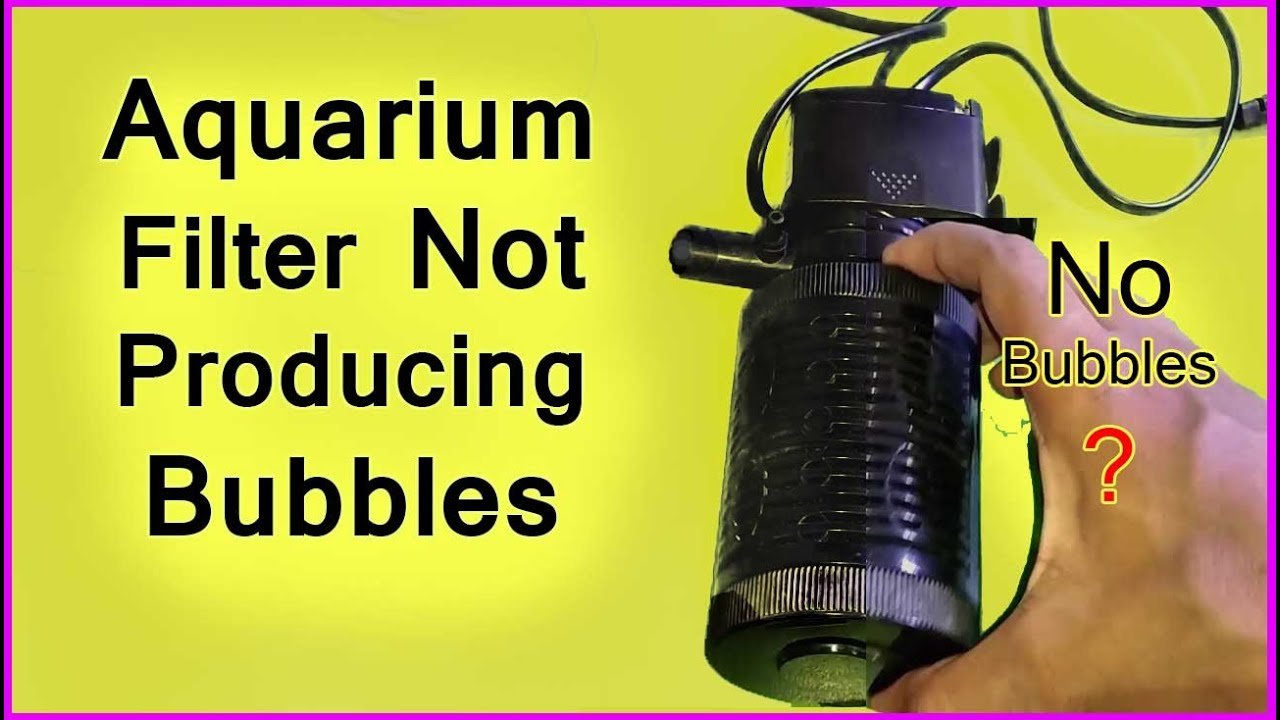
The most common reasons your aquarium filter isn't pumping water include clogs, power issues, or mechanical failures.
As an aquarium enthusiast, one of the most frustrating experiences is when your aquarium filter stops functioning properly. Not only does this affect the aesthetic appeal, but it also jeopardizes the health of your aquatic friends. Understanding the reasons behind a malfunctioning filter can save time and prevent potential harm to your aquarium habitat. In this comprehensive guide, I'll share my expertise and real-life experiences to help you troubleshoot and fix any issues with your aquarium filter. Let’s dive into the details!
Common Reasons Your Aquarium Filter Isn't Pumping Water
Clogged Filter Media
One of the most frequent culprits behind a non-working filter is clogged media. Over time, debris, such as uneaten food and waste, accumulates in the filter.
- Solution: Regularly clean or replace the filter media. Rinse with aquarium water to preserve beneficial bacteria.
Impeller Blockage
The impeller, a small rotating part inside the filter, is crucial for water movement. If it gets blocked, the filter won’t pump efficiently.
- Solution: Gently remove and clean the impeller. Check for dirt or debris and ensure it spins freely.
Electrical Issues
Sometimes, the problem lies with the filter's power source. An unplugged cord or faulty outlet can disrupt operations.
- Solution: Ensure the filter is plugged in securely. Test the outlet with another device or use a different outlet.
Air Lock
Air getting trapped inside can cause the filter to lose its siphon, especially in canister filters.
- Solution: Re-prime the filter by manually removing the trapped air or restarting the siphon.
Mechanical Failure
Filters have moving parts that can wear out over time, leading to total mechanical failure.
- Solution: Inspect for worn-out or broken parts. Replacement might be necessary if repairs are not possible.

Maintenance Tips for Aquarium Filters
- Regular Cleaning: Schedule cleanings to prevent clogging but avoid over-cleaning, which can disrupt beneficial bacteria.
- Monitor Noise Levels: Unusual noises can indicate blockages or mechanical issues.
- Replace Parts: Keep spare parts on hand, like impellers or o-rings, for quick fixes.
- Water Quality Check: Monitor ammonia and nitrate levels to ensure the filter is operating efficiently.

Frequently Asked Questions
Why is my filter making a grinding noise?
This often indicates debris caught in the impeller or worn-out parts. Clean the impeller and check for any damage.
How often should I clean my filter?
Generally, clean the filter every 2-4 weeks, but it may depend on your aquarium’s size and stocking levels.
Can a filter be too powerful for an aquarium?
Yes, an overly strong filter can stress fish by creating excessive water flow. Choose a filter appropriate for your tank size.
Is it normal for a filter to have reduced flow?
Reduced flow can happen if the filter media is clogged. Regular maintenance can prevent this issue.
What happens if the filter stops overnight?
Fish can quickly die from lack of oxygen. Restart the filter immediately and perform a partial water change.
Conclusion
Dealing with a malfunctioning aquarium filter can be challenging, but understanding the underlying issues makes troubleshooting more straightforward. Regular maintenance and timely interventions not only ensure your filter runs efficiently but also keep your aquatic ecosystem thriving. Keep an eye on noise levels, maintain cleanliness, and swiftly address any mechanical issues that arise.
Stay proactive in your aquarium care, and your filter will continue to be a reliable ally in maintaining a healthy environment for your aquatic friends. Explore more resources, or feel free to leave a comment with any questions or tips you might have. Happy aquascaping!