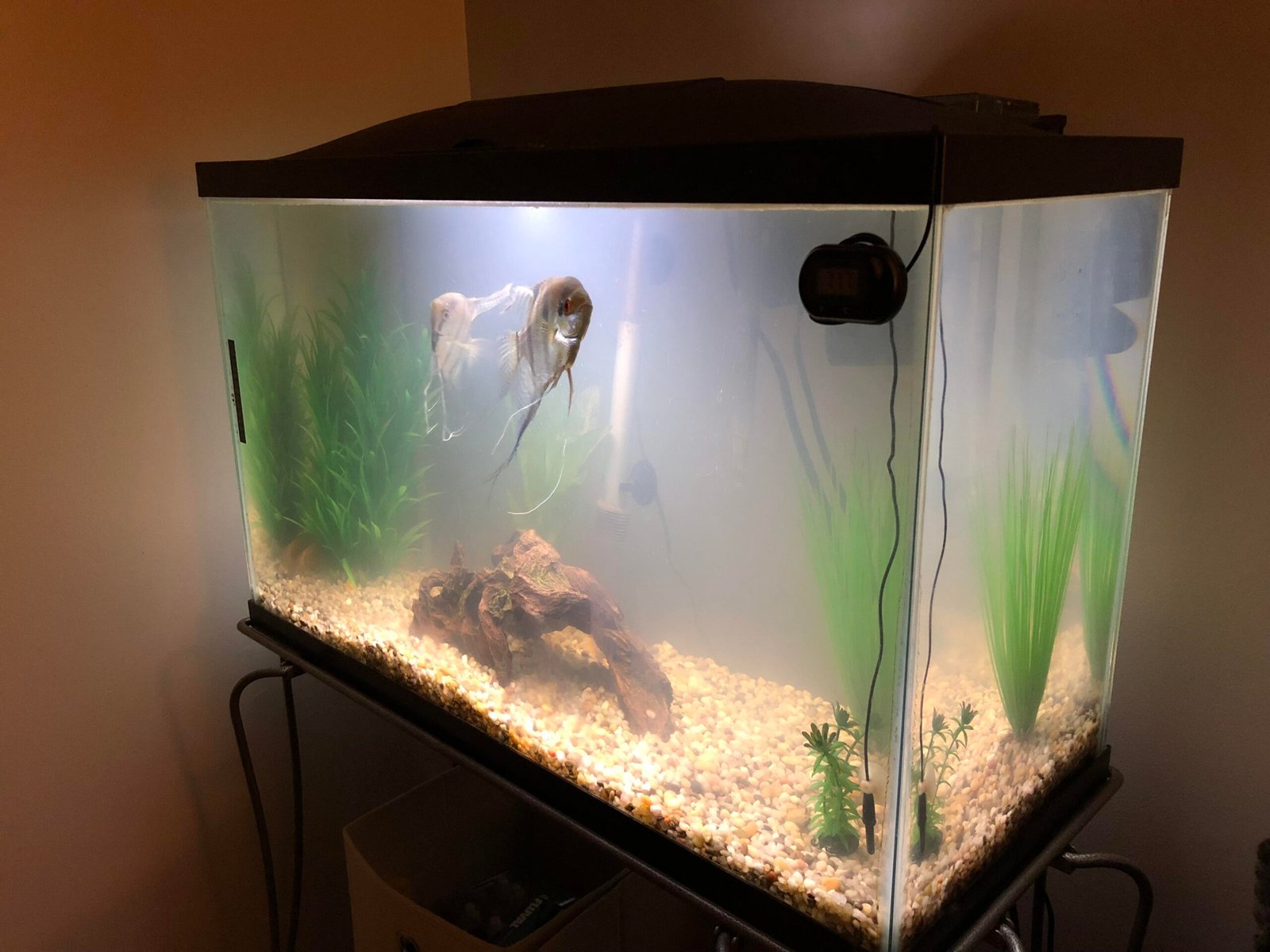
Your aquarium may become cloudy after a water change due to disturbed sediment or bacterial blooms.
As an aquarium enthusiast, seeing murky water after a water change can be frustrating. Understanding the root causes can help you address this common issue effectively. In this guide, we'll explore the reasons why your aquarium becomes cloudy after a water change and provide actionable steps to restore clarity. Whether you're a novice or have years of experience, this information will enhance your aquarium management skills and contribute to a thriving aquatic environment.
Common Causes of Cloudy Aquarium Water
When your aquarium becomes cloudy after a water change, several factors may be at play. Let's delve into some of the most prevalent causes:
Disturbed Sediment
- When performing a water change, gravel and substrate can get disturbed, leading to suspended particles in the water.
- These particles usually settle down over time, but using a gravel vacuum during cleaning can minimize this.
Bacterial Blooms
- Changing a large portion of the water can lead to bacterial blooms. This usually happens because beneficial bacteria are disrupted.
- Smaller, more frequent water changes can help maintain stability.
Overfeeding
- Excess food can contribute to cloudiness. Rotting food particles increase waste, affecting water clarity.
- Feeding appropriate amounts and removing uneaten food promptly can prevent this issue.
Chemical Imbalances
- New water may introduce chemicals, altering the pH or ammonia levels and causing cloudiness.
- Always use a dechlorinator and test water parameters before adding to the aquarium.
Equipment Malfunction
- Filters not functioning correctly can lead to poor water quality. Ensure your filtration system is suitable for the tank size.
- Regular maintenance of filters is crucial to keep water clear.
Steps to Clear Cloudy Aquarium Water
Clearing cloudy water requires patience and targeted efforts. Here's how you can achieve it:
- Monitor and Test Water Parameters: Regularly test and adjust parameters such as pH, ammonia, nitrites, and nitrates.
- Perform Regular Maintenance: Clean filters and check their functionality to ensure they are running efficiently.
- Use a Gravel Vacuum: Avoid disturbing too much sediment by using a gravel vacuum during water changes.
- Adjust Feeding Practices: Feed smaller amounts and remove uneaten food to reduce waste.
- Introduce Beneficial Bacteria: Adding supplements can help replenish the beneficial bacteria in your aquarium.
Preventing Cloudiness in the Future
Preventive measures are key to maintaining a clear aquarium. Consider these strategies:
- Regularly Test Water: Keeping track of water parameters can prevent imbalances.
- Maintain a Consistent Cleaning Schedule: Regular water changes of about 10-20% every two weeks promote a balanced ecosystem.
- Use Quality Equipment: Invest in a reliable filter and heater to keep the environment stable.
- Avoid Overstocking: Too many fish can increase waste, leading to clouds.
Frequently Asked Questions
Why is my aquarium cloudy immediately after a water change?
Cloudiness often occurs due to disturbed sediment or dissolved organics. It usually clears up on its own within a few hours.
How long does it take for cloudy water to clear?
Depending on the cause, it may take anywhere from a few hours to a couple of days for cloudiness to subside.
Can using bottled bacteria help with cloudy water?
Yes, bottled beneficial bacteria can assist in re-establishing a healthy balance and reducing cloudiness.
Is it safe for fish to live in cloudy water?
While temporary cloudiness is generally not harmful, prolonged cloudiness may indicate underlying issues that require attention.
Should I change the water again if it becomes cloudy?
Not immediately. Allow the particles to settle and address any ongoing issues, such as overfeeding or filtration problems, before performing another change.
Conclusion
Understanding why your aquarium might become cloudy after a water change is essential for maintaining a healthy aquatic environment. By applying the insights and practical tips shared in this guide, you can prevent and address cloudiness effectively. Your aquarium will not only look better but will also provide a more stable habitat for its inhabitants.
Explore additional resources, subscribe to our newsletter for regular tips, or feel free to leave a comment with your experiences and questions. Your journey to clearer aquatic waters starts here!