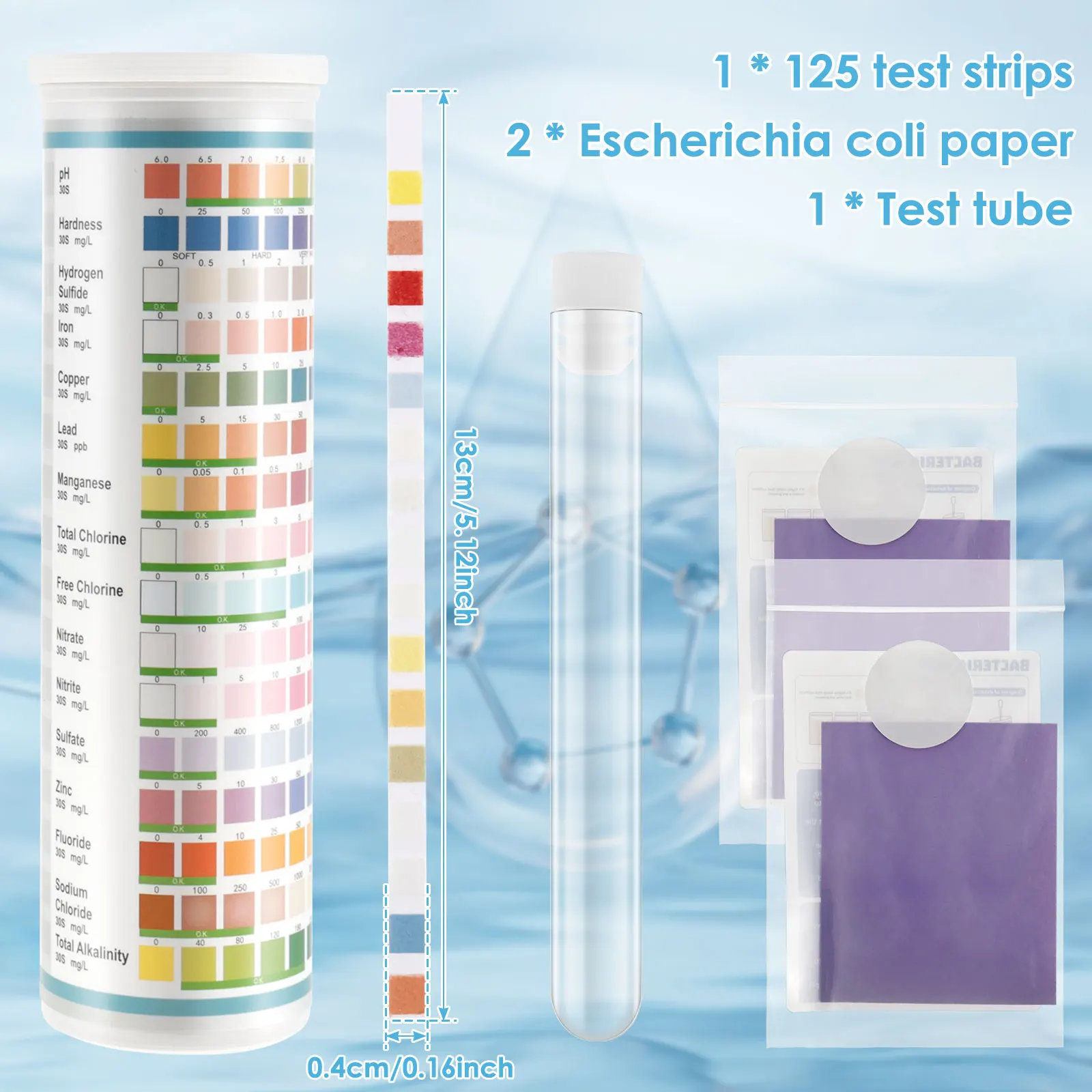
Aquarium water is tested for nitrates because high nitrate levels stress and can kill aquatic life.
I’ve kept and studied tanks for years, so I know why is aquarium water tested for nitrates matters to hobbyists and pros. This guide explains the science, risks, test methods, safe targets, and real tips I use to keep tanks healthy. Read on to learn clear steps you can use today to keep nitrate levels in check and protect your fish, plants, and corals.

Why is aquarium water tested for nitrates: the core reasons
Understanding why is aquarium water tested for nitrates starts with the nitrogen cycle. Ammonia breaks down to nitrite and then nitrate. Nitrate is less toxic than ammonia and nitrite, but it builds up and stays in the tank longer.
People test for nitrates because long-term nitrate build-up harms fish, weakens immunity, and fuels algae. Testing shows whether water changes and filters are working and helps fine-tune care for sensitive species. Regular testing gives early warnings before visible signs show and saves time and animals.
Sources and buildup of nitrates
Knowing why is aquarium water tested for nitrates means knowing where nitrates come from. Nitrates come from waste, uneaten food, and plant decay. Beneficial bacteria convert ammonia and nitrite into nitrate, which then accumulates.
Common nitrate sources include:
- Fish waste and respiration. Fish produce ammonia that ends up as nitrate.
- Overfeeding. Extra food rots and adds nitrogen.
- Dead plant leaves and decaying decorations. They release nitrogen as they break down.
- Tap water or refill water that contains nitrate. Some municipal water has nitrate traces.
If you don’t remove nitrate, it builds up slowly and can reach harmful levels in weeks to months.
Source: kvindefredsliga.dk
How nitrates affect fish, plants, and corals
One reason why is aquarium water tested for nitrates is that nitrate impacts life in different ways. Low to moderate nitrate can be tolerated by many freshwater fish. But high nitrate stresses fish and lowers disease resistance.
Effects to watch for:
- Fish show poor color, slow growth, and lethargy when nitrates are high.
- Fry and sensitive species may have higher mortality with elevated nitrates.
- Corals and reef invertebrates need very low nitrates; high levels can cause poor coral health and algae overgrowth.
- Plants use some nitrate as food, but too much nitrate often means excess algae instead of healthy plants.
Testing helps you match water quality to the needs of your tank’s inhabitants.

Source: aquarzon.com
How aquarium nitrate testing works
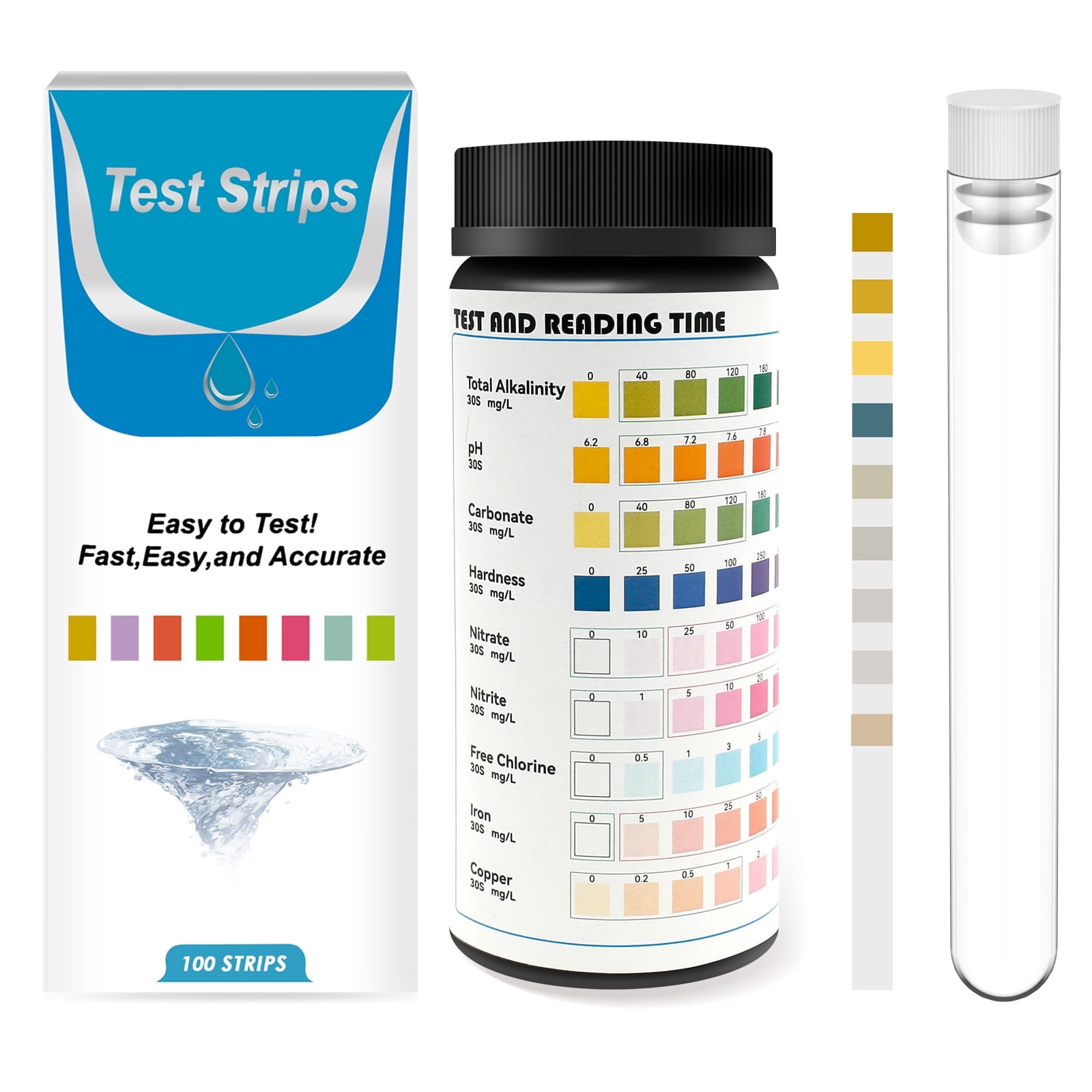
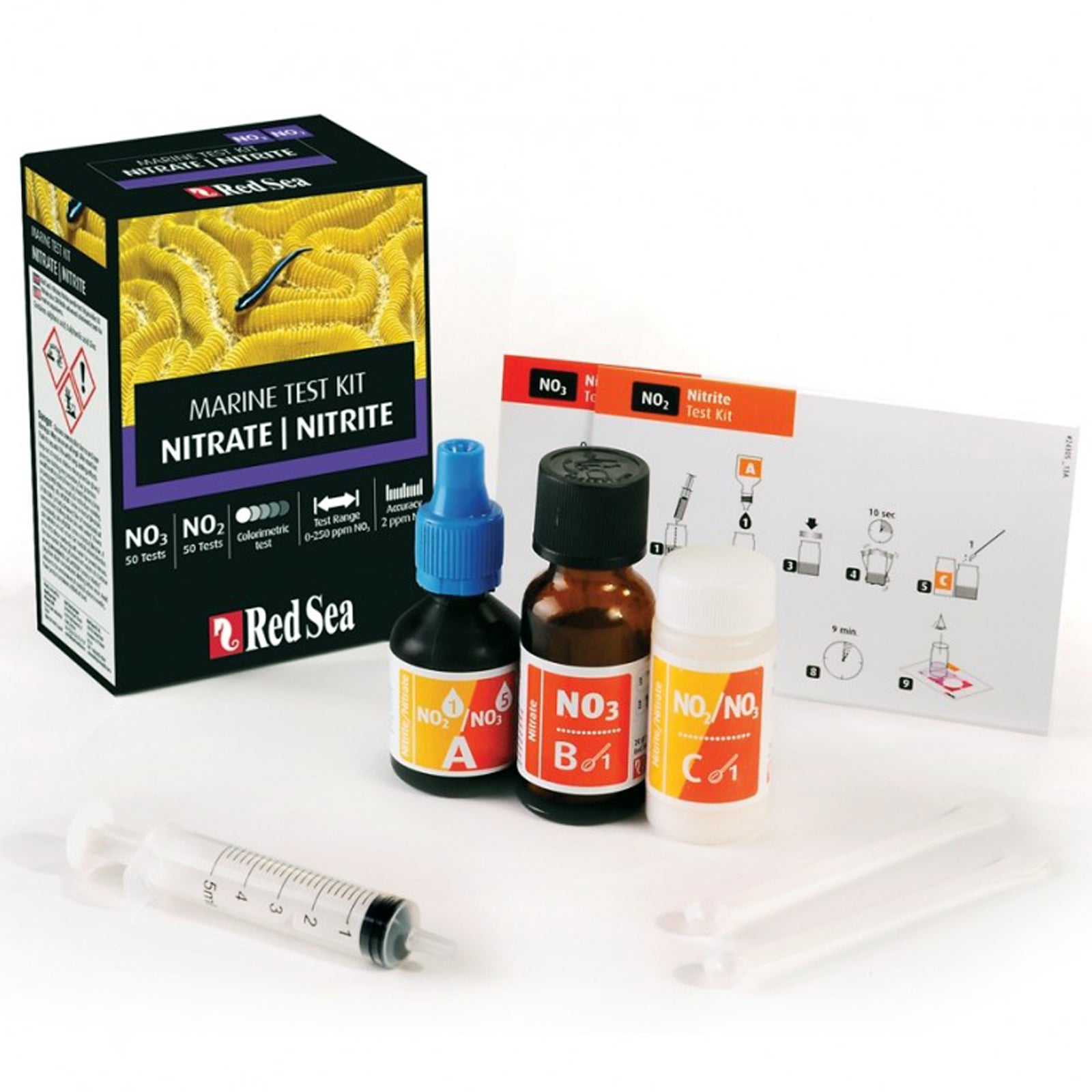
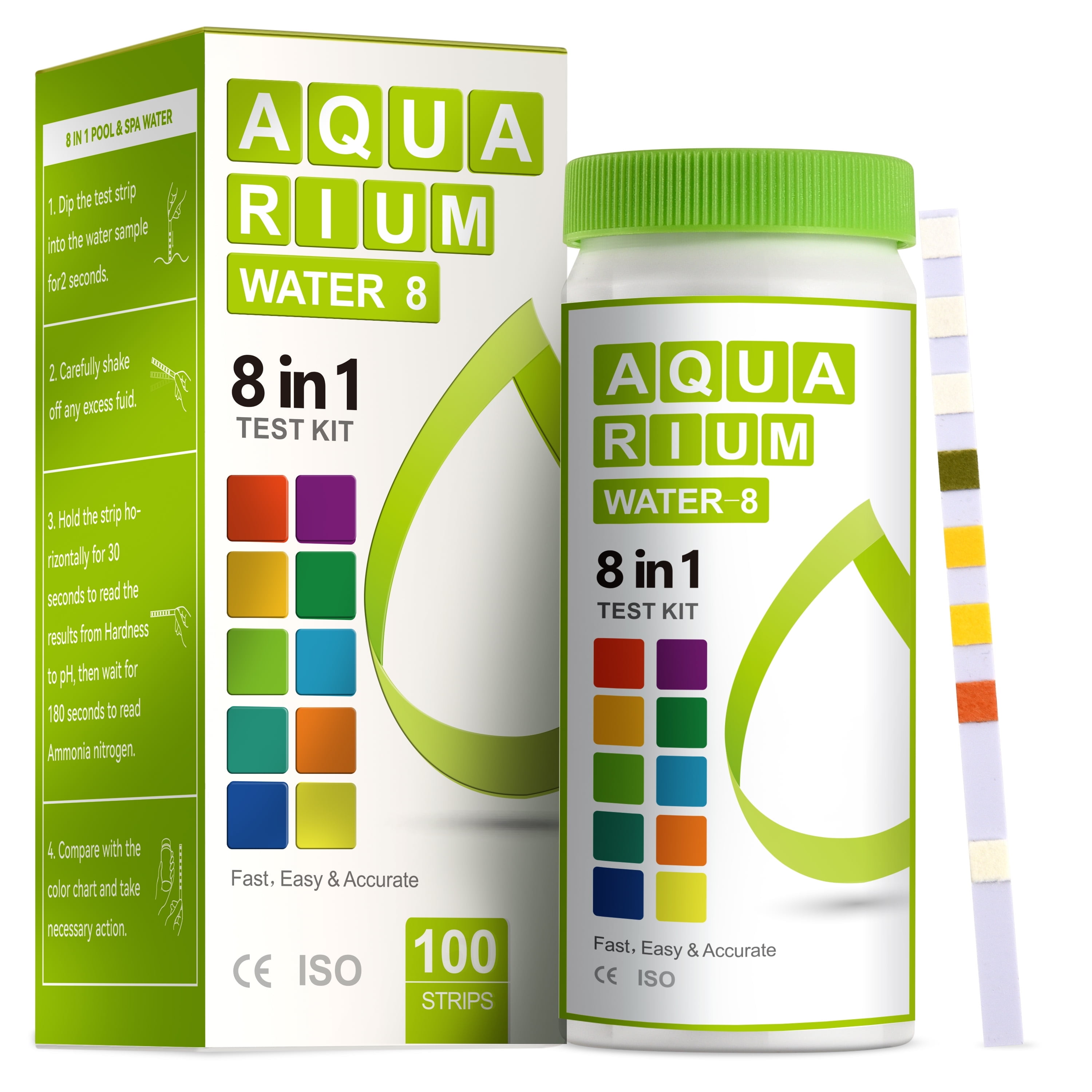
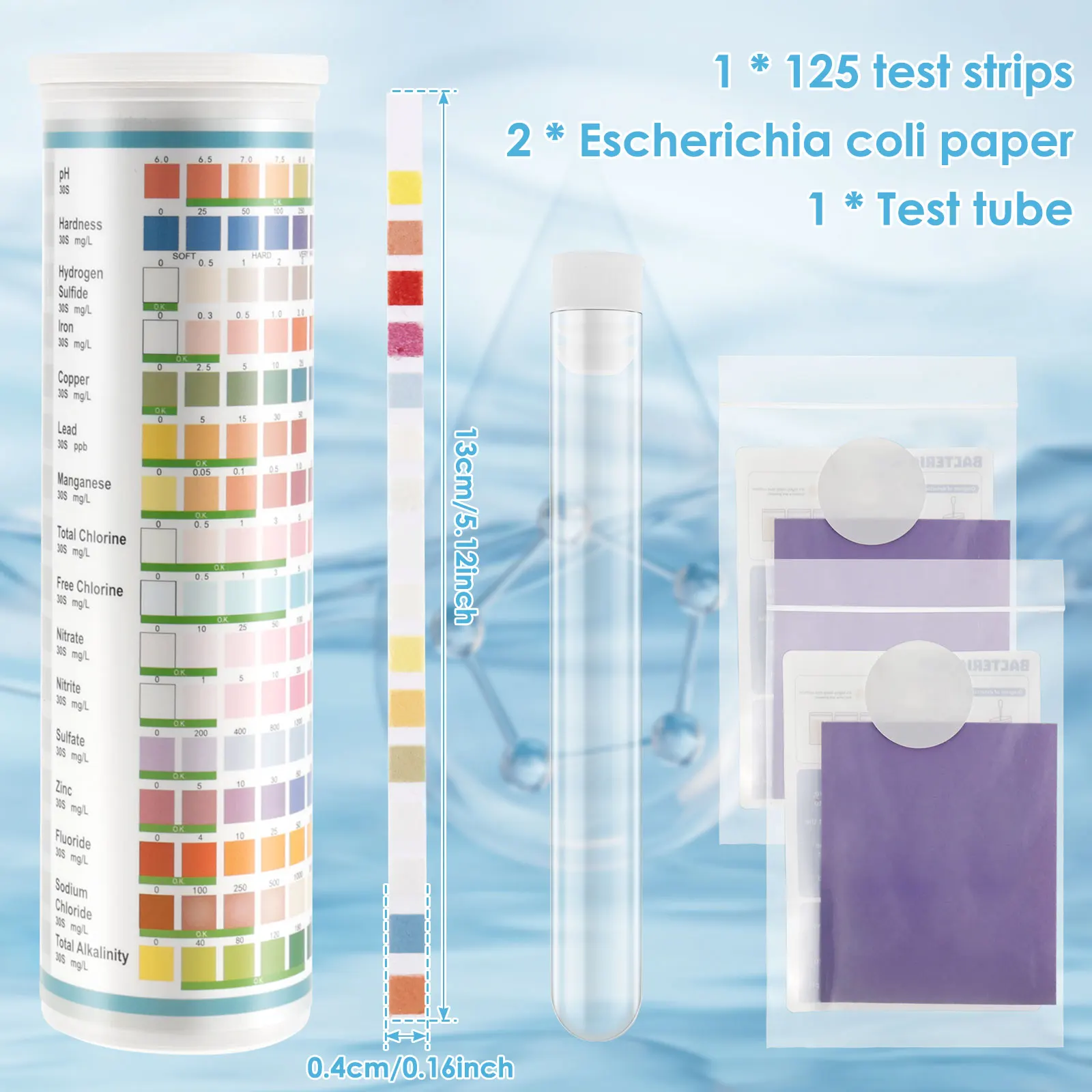
Part of knowing why is aquarium water tested for nitrates is knowing the test methods. There are three common ways to test nitrates: test strips, liquid test kits, and electronic nitrate meters. Each method measures nitrate concentration in parts per million (ppm).
Quick notes on methods:
- Test strips are fast and cheap but less precise.
- Liquid test kits use reagents and give more accurate results when read carefully.
- Electronic meters are fast and precise but cost more and need calibration.
Pick a method you will use often and learn its quirks. Consistent testing with one method is better than random tests with many methods.
Source: pure-represents.com
Recommended nitrate levels and targets
A key practical answer to why is aquarium water tested for nitrates is knowing safe targets. Safe nitrate levels depend on the tank type and species you keep. Use these general targets as a starting point.
Suggested ranges:
- Freshwater community tanks: aim for under 40 ppm, with under 20 ppm ideal for long-term health.
- Planted tanks: 10–30 ppm can be fine because plants use nitrate as fertilizer.
- Breeding tanks and fry: keep under 10 ppm to protect young fish.
- Saltwater reef tanks: keep under 5 ppm for corals and invertebrates.
Test often until you learn how your tank behaves, then set a schedule to keep those targets.

Source: aquarzon.com
Practical steps to lower nitrates
Testing tells you there is a problem. The next step is action. These steps explain why is aquarium water tested for nitrates by showing how to fix high readings.
How to reduce nitrate:
- Do regular water changes. Replace 20–30% weekly for many tanks to cut nitrate load.
- Vacuum the substrate. Remove trapped detritus that turns into nitrate.
- Reduce feeding. Feed less and remove uneaten food within a few minutes.
- Add fast-growing plants or macroalgae. They uptake nitrate as food.
- Use nitrate-absorbing media or resins in your filter if levels are persistently high.
- Improve filtration and consider a denitrifying filter or deep sand bed for marine systems.
Combine methods and monitor results. Small, steady fixes work better than big, rare actions.
Source: proximatape.com
How often to test nitrates
Testing frequency ties directly to why is aquarium water tested for nitrates. More testing equals better control. Here are simple rules to follow.
Testing schedule ideas:
- New tanks: test twice a week until the nitrogen cycle stabilizes.
- Established tanks: test weekly or biweekly depending on stock and sensitivity.
- After any problem, medication, or large water change: test within 24–72 hours to confirm recovery.
- High-stock or breeding tanks: test more often to protect young or stressed animals.
Keep a log of results. A simple chart shows trends and makes problems obvious.
Personal experience and common mistakes
I learned why is aquarium water tested for nitrates the hard way. Early on, I blamed cloudy water and algae on new decor, while nitrate kept rising. A test showed levels over 80 ppm. After regular water changes and cutting food, the tank recovered in weeks.
Lessons I share:
- Don’t skip tests because water looks “ok.” Nitrates build silently.
- Avoid overreacting to a single reading. Look for trends.
- Use a mix of plant life and good maintenance. That balance kept my tanks stable.
These simple habits cut stress, kept fish healthy, and cut my work over the long term.
Frequently Asked Questions of why is aquarium water tested for nitrates
What is a safe nitrate level for a community freshwater tank?
A safe nitrate level for most community freshwater tanks is under 40 ppm, with under 20 ppm preferred for best health. Sensitive species do better at lower levels.
Can plants solve high nitrate problems?
Plants help a lot because they use nitrate as food, but they rarely fix very high nitrate alone. Use plants with water changes and substrate cleaning for best results.
How fast do nitrates rise after overfeeding?
Nitrates can rise in days to weeks after overfeeding, depending on tank size and filtration. Removing excess food and doing water changes brings levels down fast.
Are test strips accurate enough to rely on?
Test strips are okay for quick checks and trends but are less precise than liquid kits or meters. For critical systems like reefs or breeding tanks, use a more accurate method.
What is the best way to lower nitrates quickly?
A quick way to lower nitrate is a partial water change and vacuuming the substrate. Follow with feeding less and checking filtration to prevent repeat rises.
Conclusion
Testing for nitrate is a simple step that prevents long-term harm and keeps tanks stable. By testing regularly, you can catch problems early, protect sensitive species, and reduce algae. Start a testing routine, make small fixes like water changes and feeding less, and track results to see steady improvement.
Try a weekly test for a month and note the trend. If you find high nitrate, act with small, steady steps. If this guide helped, subscribe for more aquarium tips or leave a comment about your nitrate story.