
Green aquarium water happens when tiny free-floating algae bloom inside the tank.
I’ve kept and cared for aquariums for years, so I’ll walk you through why is aquarium water green, what causes it, and how to fix and prevent it. This guide mixes research-backed facts with simple, real-life tips so you can clear the water and keep it clear.
:strip_icc()/1378633-v3-5b46307746e0fb0037d0894e.png)
Why aquarium water turns green
Green water is almost always a bloom of tiny, free-floating algae. These algae are single-celled plants that multiply fast when they have light and nutrients. Understanding why is aquarium water green helps you cut the bloom at the source. In short, more light plus more nutrients equals algae growth.

Main causes of green water
There are a few common reasons why is aquarium water green. Each one adds fuel for algae to grow.
- Excess light. Algae thrive under strong or extended light. A sunny window or too-long aquarium lighting will help algae bloom.
- High nutrients. Nitrate and phosphate feed algae. Overfeeding, poor water changes, and decaying plant matter raise these levels.
- New tanks. Young tanks often get algae blooms because the balance of bacteria and plants isn’t stable yet.
- Weak filtration. A filter that doesn’t move or clean enough water can let algae take hold.
- Low plant biomass. Few live plants mean fewer competitors for nutrients, leaving more for algae.
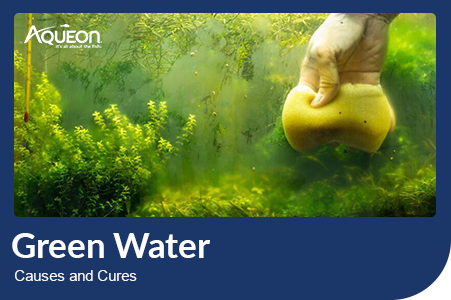
Types of algae and microbes that turn water green
Knowing which algae you have helps pick the right fix for why is aquarium water green.
- Green single-celled algae. These float freely and cause the classic pea-soup look. They respond well to reduced light and water changes.
- Cyanobacteria (blue-green algae). These are actually bacteria and form slimy mats. They can smell bad and need different steps to remove.
- Diatoms. Brownish algae that show up in new tanks or with silicates in water. They usually fade as the tank matures.
- Filamentous algae. These form strings or mats and are less likely to make the whole tank appear green, but they compete with plants for nutrients.

How to clear green water — practical steps
If you need a clear tank fast, follow these steps. I used these steps on a tank that went green after I switched bulbs, and they worked within days.
- Do a 30–50% water change right away to cut algae cells and nutrients.
- Reduce light to 4–6 hours a day or move the tank away from direct sun.
- Clean or rinse mechanical filter media in tank water to remove algae without killing beneficial bacteria.
- Cut feeding by 50% for several days. Uneaten food feeds algae fast.
- Add live plants. Fast-growing plants compete with algae for nutrients.
- Consider a UV sterilizer for persistent green water. It treats free-floating algae effectively.
- Use a flocculant or clarifier as a short-term fix to clump algae so the filter can remove it. Use sparingly and follow directions.

Prevention: how to stop green water before it starts
Prevention is cheaper and easier than a cure. These steps will help you avoid questions about why is aquarium water green in the future.
- Set a regular water change schedule. Weekly partial changes help keep nutrients low.
- Keep lights on a timer. 6–8 hours a day is enough for most planted tanks.
- Feed fish sparingly. Feed only what they finish in 1–2 minutes.
- Use good filtration sized for your tank volume and fish load.
- Quarantine new plants and rinse them to avoid introducing algae.
- Add fast-growing plants or algae-eating fish and invertebrates for natural control.

Testing and maintenance checklist
A simple test routine will keep the tank stable and reduce green water chances.
- Test ammonia and nitrite weekly until stable, then monthly.
- Test nitrate and phosphate every 2–4 weeks; nitrates should stay low.
- Check water flow and clean the filter media monthly or as needed.
- Vacuum gravel lightly during water changes to remove waste.
- Inspect lighting and replace bulbs every 6–12 months if output drops.

Troubleshooting: when green water won’t clear
Sometimes green water persists. Here’s how I troubleshoot when standard fixes fail.
- Re-check nutrient sources. Hidden sources include plant fertilizers or tap water with phosphate.
- Swap out or add filter media. A stronger mechanical filter or polishing pad helps.
- Use a UV sterilizer if the bloom keeps returning despite changes.
- If slimy mats or foul smells appear, suspect cyanobacteria and treat with full cleaning and targeted steps.
- If fish show stress or unusual behavior, seek pro help or test for toxins.
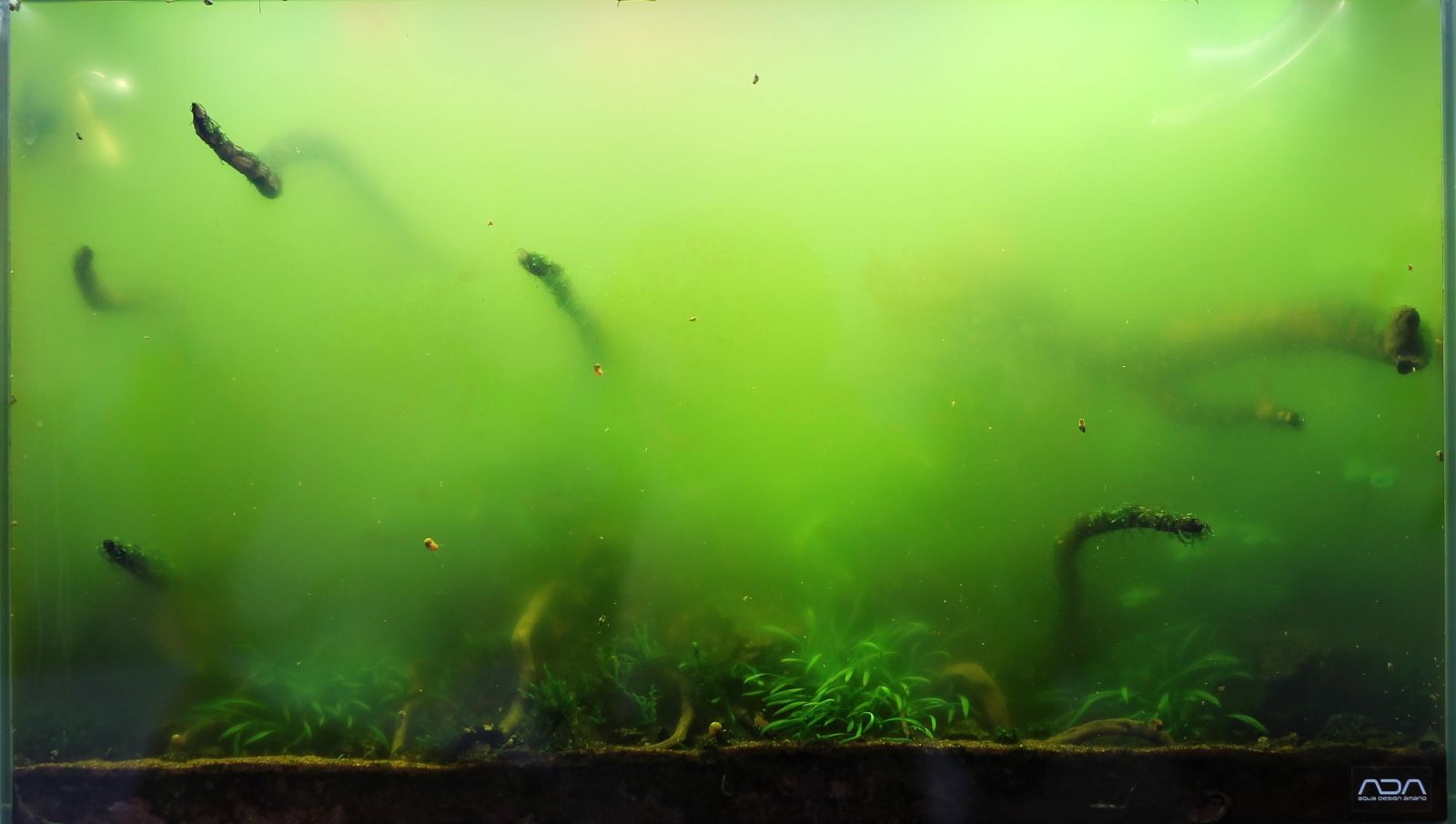
My personal experience and key lessons
Years ago I set up a new 30-gallon tank and added bright LED lights. The tank turned green in two days. I panicked and did a lot of things at once. The real fixes were simple: cut light, do water changes, and add a few fast plants. I later added a UV unit and kept a strict feeding rule. The tank stayed clear after that.
Lessons I learned
- Don’t overreact with many chemicals at once.
- Make one change at a time and wait 48–72 hours to see results.
- Prevention beats cure — good routines stop green blooms before they start.
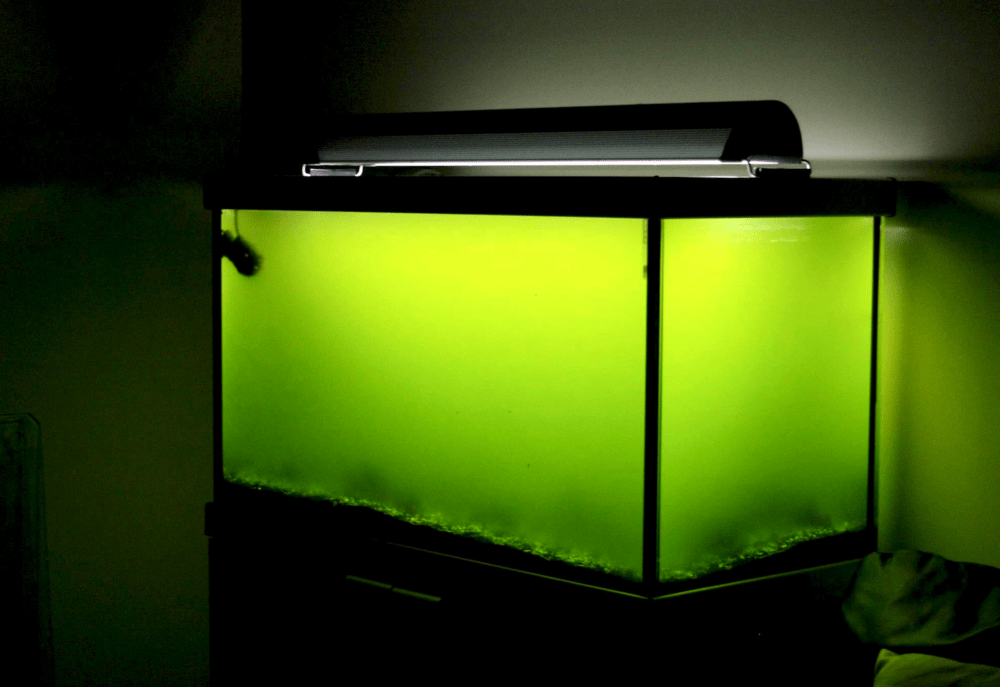
Frequently Asked Questions of why is aquarium water green
Why did my aquarium water turn green so suddenly?
A sudden green bloom usually means a sudden change in light or nutrients. New bulbs, extra sunlight, or a spike in waste from feeding or fish deaths can trigger fast algae growth.
Can green water hurt my fish?
Green water itself rarely harms fish directly, but it can reduce oxygen at night and hide signs of illness. It also makes tank care harder and can stress sensitive species.
How fast will a UV sterilizer clear green water?
A UV sterilizer can clear green water in a few days if sized correctly for the tank. It needs proper flow and time to be effective.
Will adding live plants stop green water?
Live plants help by using the same nutrients algae need. Fast-growing plants can reduce blooms, but they may not stop an active bloom immediately.
Can I use chemical algaecides to fix green water?
Chemical algaecides can work short term but may harm plants, invertebrates, and beneficial bacteria. Use them only as a last resort and follow directions carefully.
Is green water a sign of a bad cycle?
Yes, green water can be common in new tanks during the cycle because the ecosystem is not balanced yet. Proper cycling and patience are the best cures.
Conclusion
Green water is common and often fixable by reducing light, lowering nutrients, and keeping good tank care. Start with simple steps: water changes, less light, cleaner filters, and careful feeding. If the problem persists, add plants or a UV sterilizer and test water regularly.
Take action this week: set a light timer, cut feeding, and schedule a partial water change. Share your experience or questions below and subscribe for more easy aquarium care tips.