
Algae grows on aquarium plants because of excess light, nutrients, and an imbalance in tank care.
I’ve kept planted tanks for years and helped many hobbyists fix green, brown, and black algae. In this guide I explain why is algae growing on my aquarium plants, how to spot the causes, and clear, easy steps to fix and prevent it. You’ll get practical tips from real experience and science-backed ideas you can use tonight.
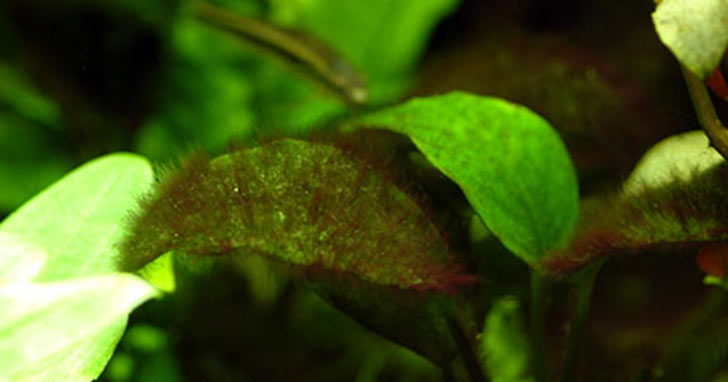
Why algae grows on aquarium plants: the big picture
Algae are simple plants that thrive on light and nutrients. When a tank has too much light or excess nutrients, algae multiply fast. Low plant growth or poor water flow also gives algae room to spread. Knowing why is algae growing on my aquarium plants helps you choose the right fix.
I once had a tank where bright LED lighting and weekly overfeeding caused green dust algae on leaves. Cutting light time and trimming uneaten food cleared it in two weeks. Small changes can make a big difference.

Common types of algae you’ll see on plants
- Green spot algae
- Hard dots on older leaves. Slow to remove by hand.
- Green dust algae
- Fine, fuzzy film that rubs off easily.
- Brown algae (diatoms)
- Brown dust that takes time to fade as tank matures.
- Black beard algae or brush algae
- Dark tufts that cling to stems and leaf bases.
- Hair and filamentous algae
- Long strings that tangle around plants and decor.
Each type points to different causes. Knowing which type you have helps decide how to treat why is algae growing on my aquarium plants.

Light: the number one trigger
Too much light fuels algae. But too little light can weaken plants, letting algae take over. Both extremes matter.
- Check duration
- Aim for 6 to 8 hours of quality light per day for most planted tanks.
- Check intensity
- Powerful LEDs can be too bright for low-tech tanks.
- Use a timer
- Consistent light schedules reduce algae risk.
In my experience, switching to a timer and lowering intensity fixed repeated algae blooms. If plants look pale after reducing light, boost nutrients instead of light.

Nutrients and water chemistry: feeding plants, not algae
Algae feed on nitrates, phosphates, and other nutrients. Imbalance between plant uptake and available nutrients invites algae. Overfeeding fish raises nitrate quickly. Infrequent water changes let phosphates build.
- Test kit routine
- Monitor nitrate and phosphate weekly until stable.
- Water changes
- Regular 20% weekly changes keep nutrients in check.
- Dosing for plants
- Add iron and trace elements if plants show deficiency, not algae will take them.
I used to avoid dosing because I feared feeding algae. Later I learned healthy plants outcompete algae when they have balanced nutrients. Treating plants helped stop algae long-term.
Plant health and tank balance: the silent factors
Stressed or slow-growing plants cannot outcompete algae. Good plant health is your best defense.
- Choose the right plants
- Fast-growing stem plants absorb nutrients quickly.
- Trim dead leaves
- Remove decaying material that fuels algae.
- Improve CO2 or circulation
- CO2 helps plant growth in many tanks; better flow keeps debris from settling.
When I started adding fast growers like hornwort, algae on slower plants vanished in weeks. A healthy plant community is an algae barrier.

Practical fixes and DIY treatments
Here are steps you can try today to stop why is algae growing on my aquarium plants.
- Manual removal
- Gently rub or trim affected leaves. Use soft tools to avoid damage.
- Reduce light
- Cut light time by 1–2 hours and lower intensity.
- Do a large water change
- 30–50% water swap can drop nutrient spikes fast.
- Adjust feeding
- Feed less and remove uneaten food after a few minutes.
- Add plant-friendly algae eaters
- Snails, shrimp, and certain fish help, but research compatibility first.
- Use targeted treatments cautiously
- Algaecides can harm plants and livestock. Use only as last resort.
I once used shrimp and snails together with trimming and a 40% water change. That combo cleared green dust algae in 10 days with no chemicals.

Long-term prevention and maintenance
Preventing algae is easier than fighting big blooms. Make these routines part of your care.
- Keep a weekly schedule
- Test water, prune plants, and do partial water changes.
- Watch light and nutrients
- Balance both and avoid sudden changes.
- Promote plant growth
- Add fast growers and consider CO2 if needed.
- Monitor tank inhabitants
- Overstocked tanks produce more waste and nutrients.
Think of your tank as a small pond. Consistent care keeps it stable and beautiful.

When to seek expert help
If algae persists despite consistent care, it's time to get help.
- Ask a local store or club
- Experienced hobbyists can spot issues quickly.
- Share photos online
- Clear pictures of plants and water help diagnose problems.
- Consider a water chemistry review
- Professional testing can find hidden imbalances.
If you’ve tried steps above and still ask why is algae growing on my aquarium plants, a community or pro can offer targeted advice based on your tank specifics.

Frequently Asked Questions of why is algae growing on my aquarium plants
What is the fastest way to remove algae from plant leaves?
Manual removal is the fastest. Trim or gently rub leaves, do a 30–50% water change, and reduce light for a few days.
Can I use algaecide on planted tanks?
Algaecides can harm plants and invertebrates. Use them only as a last resort and follow product directions carefully.
Do fish cause algae on plants?
Fish contribute nutrients through waste and uneaten food. Overstocking or overfeeding can escalate algae growth quickly.
Will adding more plants stop algae?
Fast-growing plants compete with algae for nutrients and usually help. They are a safe, natural way to reduce algae long-term.
How long does it take to fix algae problems?
Small outbreaks often clear in 1–3 weeks with consistent care. Severe, established algae can take longer and need combined measures.
Conclusion
Algae on aquarium plants usually means light, nutrients, or plant health are out of balance. Start with simple fixes: cut light, trim plants, test and adjust nutrients, and remove debris. Healthy plants and steady habits prevent most algae issues. Try one change at a time and watch results for a week or two.
Take action today: pick one small change—reduce light, do a water change, or add a fast-growing plant—and track the results. Share your progress or questions in the comments, or subscribe for more tank care tips.