
A backup power source keeps your home and devices running during outages for safety and convenience.
I have spent years helping homeowners and small businesses pick and use reliable backup power. In this guide, I explain why is a backup power source vital, how different options work, how to choose one, and simple steps to keep power when the grid fails. Read on for clear advice, hands-on tips, and practical examples you can use today.

Why is a backup power source important?
A backup power source protects safety, comfort, and income when the main grid stops. Knowing why is a backup power source matters helps you plan for storms, blackouts, or equipment failures. A good backup keeps medical devices, refrigeration, heating, and security systems running. It also reduces stress and prevents costly damage to food, electronics, and business operations.

Types of backup power sources and how they work
There are several common backup options. Each one answers why is a backup power source useful in different ways.
- Portable generators
- Run on gasoline or propane and provide short-term power for essentials.
- They are cheap to buy but need fuel and careful placement outdoors for safety.
- Standby generators
- Permanently installed and start automatically during an outage.
- They run on natural gas or propane and can power a whole home.
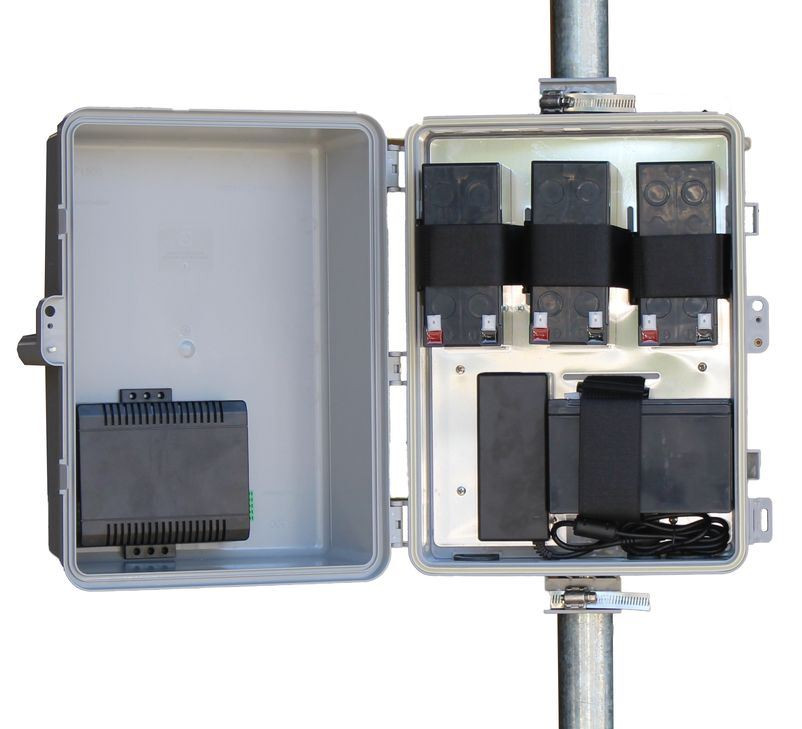
- Battery backup systems (inverters and battery banks)
- Store electricity and supply it silently when needed.
- Great for short outages and powering sensitive electronics.
- Solar-plus-storage systems
- Combine solar panels with batteries to reduce dependence on the grid.
- They can provide long-term resilience and lower energy bills over time.
Each option answers different parts of the question why is a backup power source important. Portable units are for short-term fixes. Standby and battery systems suit continuous protection and convenience.

How to choose the right backup power source
Start by listing what you must keep running. This answers why is a backup power source needed for your situation.
- Identify essential loads
- Medical equipment, refrigerator, lights, and Wi-Fi are common essentials.
- Calculate wattage and runtime
- Add the watts for each device and decide how long you need power.
- Match the system to your needs
- Choose a portable generator for occasional outages.
- Pick standby or battery systems for longer or automatic coverage.
- Consider fuel, noise, and installation
- Fuel supply and safe placement matter. Noise can be an issue in neighborhoods.
- Factor in future needs
- If you plan to add a heat pump or EV charger, size the system up front.
A clear plan makes the answer to why is a backup power source right for you simple and practical.
Installation, safety, and maintenance
Proper setup and care explain why is a backup power source reliable over time. Installation rules and safety steps are important.
- Use a licensed electrician for whole-home or hardwired systems.
- Never run portable generators indoors. Exhaust is deadly.
- Test battery systems and generators monthly.
- Replace fluids and filters on fuel-based units per the manual.
- Store fuel safely and rotate it to avoid stale gas.
Good maintenance reduces failures and keeps the system ready when you need it.

Costs, savings, and incentives
Cost is a big part of why is a backup power source worth the investment. Upfront prices vary, but so do long-term benefits.
- Portable generators cost the least but need ongoing fuel costs.
- Standby generators cost more to buy and install but offer full-home coverage.
- Battery systems have higher upfront cost but low operating cost and quiet operation.
- Solar-plus-storage can lower bills and qualify for rebates or tax credits in many places.
Think of backup power as insurance. The value shows up in avoided losses, comfort, and reduced downtime.
Personal experience: lessons learned and practical tips
From installing systems for friends and clients, I learned simple lessons that answer why is a backup power source smart.
- Size the system with some headroom. Under-sizing causes frustration.
- Label critical circuits. This makes switching loads fast and safe.
- Practice starting the system before a storm. Know the steps and have tools ready.
- Keep spare fuel and battery health monitoring. Small prep avoids big problems.
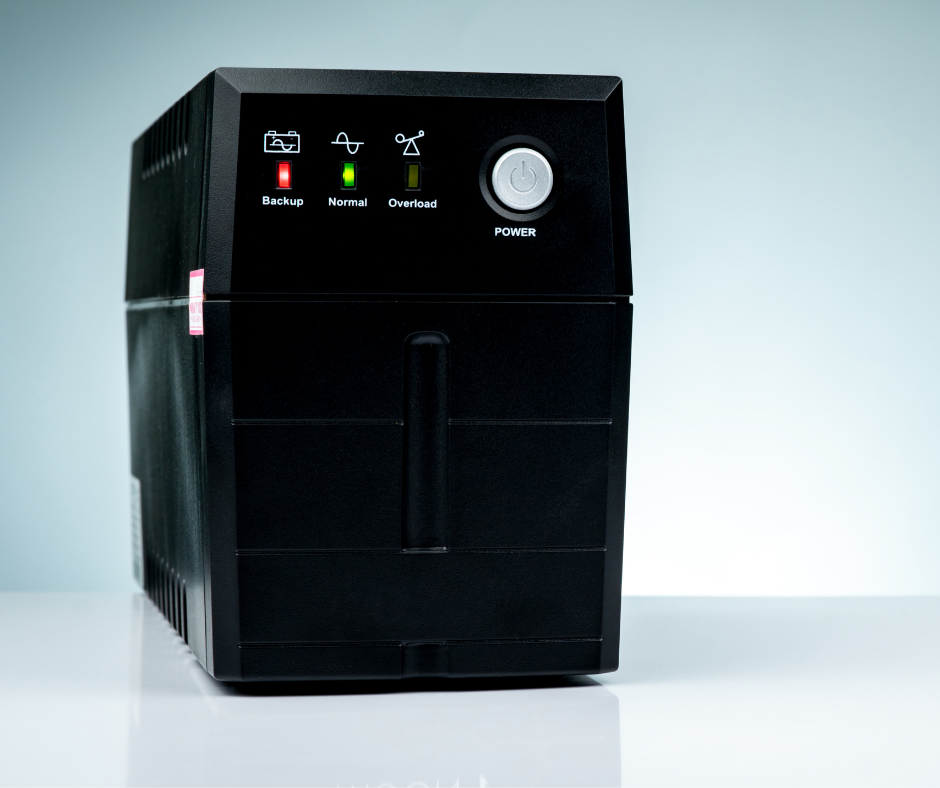
One real example: a neighbor had food spoil after a long outage. After we installed a small battery backup for their fridge and router, they kept food safe and stayed connected during future storms. That relief alone made the cost worth it.

Frequently Asked Questions of why is a backup power source
What is a backup power source?
A backup power source provides electricity when the main grid fails. It can be a generator, battery system, or solar-plus-storage setup.
How long will a backup power source run?
Runtime depends on the system size and load. Portable generators run as long as they have fuel; batteries last until the stored energy is depleted.
Do I need a backup power source for a small apartment?
It depends on your needs. For most apartments, a small UPS for essential electronics and a portable power station for lights and phone charging may be enough.
Is a backup power source expensive to maintain?
Maintenance costs vary. Batteries need periodic checks, and fuel generators need oil and filter changes. Regular care keeps costs predictable.
Can I connect a backup power source myself?
Simple portable units can be used safely with extension cords, but whole-home or hardwired systems should be installed by a licensed electrician for safety and code compliance.
How do I decide between a generator and a battery system?
Decide based on outage length, noise tolerance, and fuel access. Batteries are quiet and low-maintenance for short outages. Generators are better for long outages with steady fuel.
Conclusion
Backup power keeps you safe, comfortable, and prepared when the grid fails. Use the steps here to decide why is a backup power source right for your home or business, pick the best option, and maintain it well. Start by listing essentials, estimating power needs, and planning a safe installation. Take action today: assess your needs, get a quote, or try a small battery backup to feel the peace of mind. If you found this helpful, leave a comment or share your backup power questions below.