Most fish die from poor water quality, stress, disease, and incorrect tank care.
I have kept and cared for aquariums for years, and I’ve seen the same problems repeat. This article explains why fishes die in aquarium tanks, how to spot causes fast, and what to do to stop losses. Read on for clear, friendly guidance backed by experience and practical tips so your fish thrive.
Common reasons why fishes die in aquarium
Fish die for many reasons. The biggest causes are poor water quality, sudden changes, illness, and overcrowding. Small mistakes add up fast and make a tank unsafe for fish.
- Poor water quality: Ammonia and nitrite spikes damage gills and stress fish.
- Sudden changes: Fast temperature or pH shifts shock fish.
- Disease and parasites: Infections spread quickly in tanks.
- Overfeeding and poor diet: Dirty water and weak fish follow.
- Poor tank setup: Wrong tank size, lack of hiding spots, and weak filtration hurt fish.

Water quality and chemistry: the silent killer
Water is everything in an aquarium. Bad water kills fish slowly or suddenly.
- Ammonia and nitrite toxicity: These are deadly even at low levels and often come from uneaten food and waste.
- Nitrate buildup: High nitrates weaken fish over time and reduce disease resistance.
- pH swings and hardness: Rapid or large changes cause stress and shock.
- Temperature: Many fish are tropical and need steady temperatures. Drops or spikes can be fatal.
Test water weekly with reliable kits. Do partial water changes to remove toxins. A steady cycle of testing and small changes is safer than large, sudden fixes.
Diseases, parasites, and infections
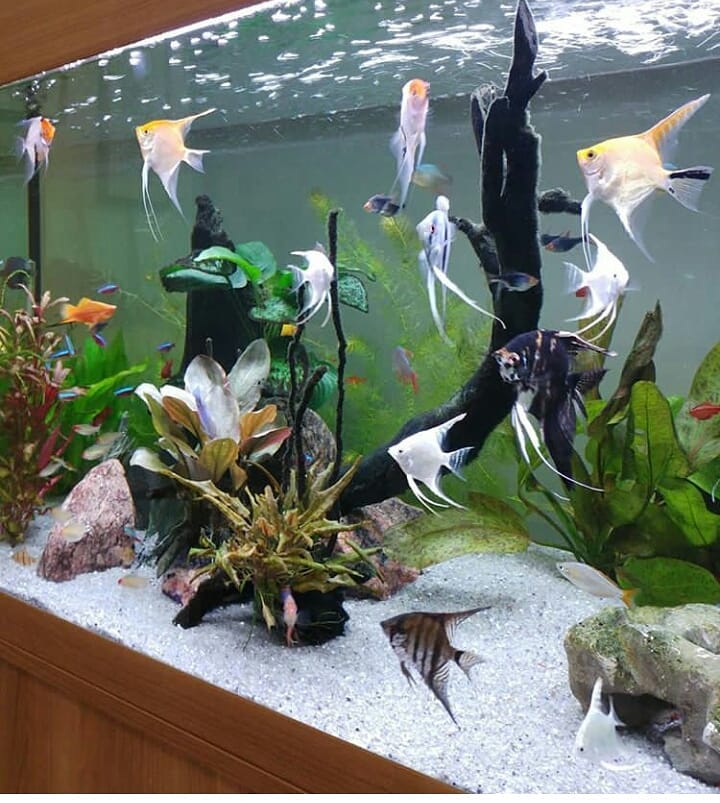
Illness spreads fast in closed systems. Common diseases cause sudden death when left untreated.
- Bacterial infections: Often follow stress or poor water. Symptoms include sores and lethargy.
- Fungal infections: White, cottony growths are typical and thrive in weak fish.
- Parasites: Ich and flukes irritate gills and skin, causing rapid decline.
- Viral illnesses: Harder to treat and can wipe out a tank if not quarantined.
Quarantine new fish for two weeks. Observe them closely and treat early. Good water and low stress reduce disease risk.
Stress and environmental factors
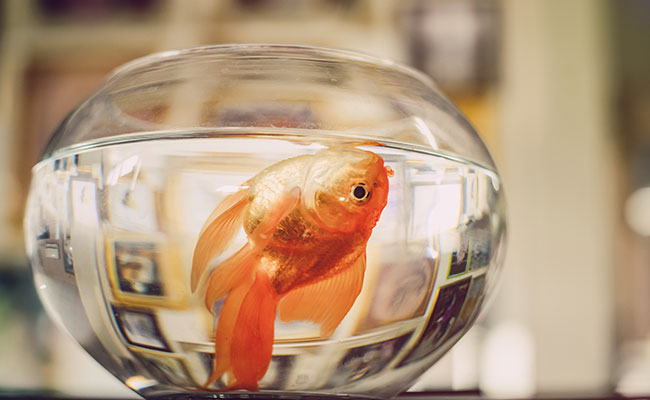
Stress shortens a fish’s life. It lowers immune response and makes disease more likely.
- Aggression and bullying: Overcrowded or mixed-species tanks cause fights.
- Lack of hiding places: Fish need shelter to feel safe.
- Bright lights and noise: Constant disturbance stresses fish.
- Poor compatibility: Some species have different needs and harm each other.
Create a calm environment with plants, caves, and correct stocking levels. Watch fish behavior daily to catch problems early.

Overfeeding and nutrition problems
Overfeeding is a leading, preventable cause of death. It pollutes the water and causes health issues.
- Uneaten food breaks down into toxic waste.
- Obesity and fatty liver disease affect some species with poor diets.
- Incorrect diet weakens immune systems and causes color loss, lethargy, and death.
Feed small amounts once or twice daily. Remove leftovers after a few minutes. Offer variety: flakes, pellets, frozen foods, and occasional live treats.
Tank setup, filtration, and maintenance
A good tank needs proper size, filtration, and regular care.
- Tank size matters: Small bowls often fail because toxins build up quickly.
- Filtration: Use filters rated for your tank and clean them gently.
- Cycle your tank: Establish beneficial bacteria before adding many fish.
- Regular maintenance: Weekly checks, partial water changes, and gravel vacuuming keep the environment healthy.
I once set up a 10-gallon without cycling. Within days, fish gasped at the surface. After learning how to cycle and maintain, losses stopped. Small investments in gear and routine pay off.
 quickly”
style=”max-width: 100%; height: auto; border: 2px solid black; border-radius: 10px; display: block; margin: 0 auto;”
loading=”lazy”
/>
How to diagnose a dying fish quickly
Act fast if a fish looks unwell. Quick diagnosis can save lives.
- Observe behavior: Gasping, clamped fins, hiding, or erratic swimming are warning signs.
- Check the water: Test for ammonia, nitrite, nitrate, pH, and temperature.
- Inspect the body: Look for spots, lesions, rot, or unusual growths.
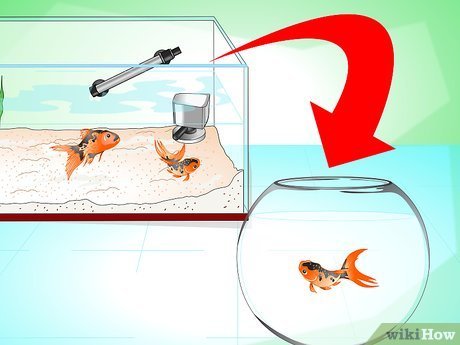
- Isolate if needed: Move sick fish to a quarantine tank to stop spread.
Early action and calm steps work best. Sudden changes are often reversible if caught early.

Practical treatments and first aid
When you find a sick fish, start with safe, proven steps.
- Improve water quality: Do a partial water change and test parameters.
- Raise temperature slightly for tropical fish to speed immunity, if appropriate.
- Medicate carefully: Use targeted medicines for parasites, bacteria, or fungi following instructions.
- Quarantine sick fish: Treat away from the main tank and watch for recovery.
Avoid panicked, repeated treatments. Overmedicating and chemical overdoses harm healthy fish and filter bacteria.
Prevention checklist: keep fish alive and healthy
Prevention beats treatment every time. Use this checklist to reduce deaths.
- Cycle every new tank before adding fish.
- Quarantine all new arrivals for at least two weeks.
- Test water weekly and change 10–25% of water regularly.
- Feed appropriate amounts and varied food.
- Choose compatible species and avoid overcrowding.
- Provide proper filtration, heating, and hiding places.
- Observe fish daily for behavior or appearance changes.
These steps cut risk and keep fish thriving.
My real-world lessons and mistakes
I’ve learned practical lessons the hard way. Early on, I added many fish to a new tank and lost most to ammonia spikes. I then started slow, testing daily and doing small water changes. Another mistake was trusting labels; one “hardy” species still needed stable water. Since then, I always research species needs and pre-cycle tanks.
Simple routines and patience are lifesavers. Treat each tank like a small ecosystem you tend to daily.
Frequently Asked Questions of why fishes die in aquarium
Why do fish suddenly die in my aquarium?
Sudden deaths usually mean a toxin spike like ammonia or nitrite, or a rapid temperature change. Test water immediately and check equipment.
Can overfeeding kill aquarium fish?
Yes. Overfeeding leads to decaying food, ammonia spikes, and poor water quality that can kill fish quickly.
How often should I test my aquarium water?
Test weekly for stable tanks and immediately if fish show stress. Check ammonia, nitrite, nitrate, pH, and temperature.
Are new fish more likely to carry disease?
New fish can carry pathogens. Quarantine new additions for two weeks to prevent introducing disease into your main tank.
Will adding more plants help prevent fish deaths?
Live plants help by absorbing nitrates and providing shelter, which lowers stress and improves water quality. They are a helpful preventive measure.
How big should my tank be to reduce fish deaths?
Bigger tanks are more forgiving and stable. Choose a tank size recommended for the species you want and avoid overstocking.
Conclusion
Understanding why fishes die in aquarium tanks helps you prevent loss and build healthy ecosystems. Focus on water quality, stable conditions, proper feeding, and early diagnosis. Small, steady habits—testing, cycling, quarantine, and gentle care—make the biggest difference. Start with one change today: test your water or set up a quarantine tank. If this article helped, leave a comment, share your story, or subscribe for more practical aquarium tips.