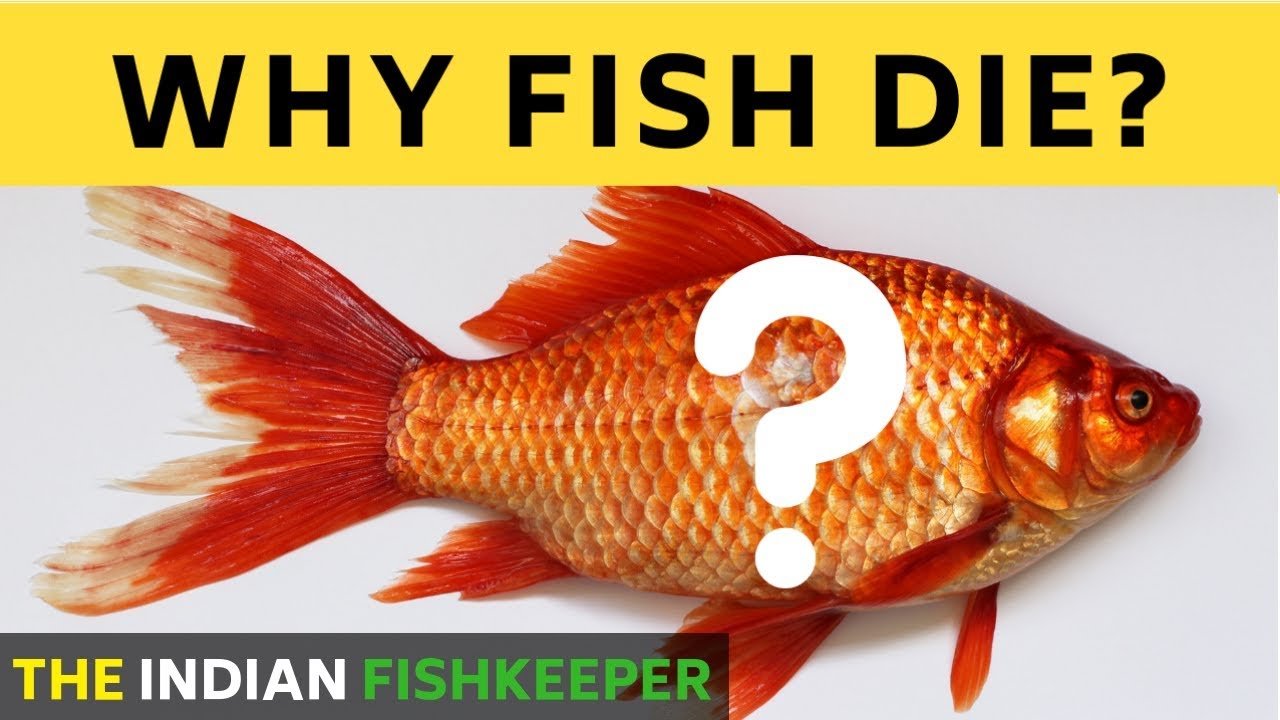
Most aquarium fish die from poor water quality, stress, disease, or sudden environmental changes.
I’ve kept and cared for freshwater and brackish tanks for years, so I’ve seen firsthand why fish dying in aquarium happens and how to stop it. This article breaks down the common causes, clear signs to watch for, practical fixes, and prevention steps you can use today to keep your fish healthy and your tank thriving. Read on for proven tips, simple tests, and real-life lessons that will save fish and reduce tank stress.
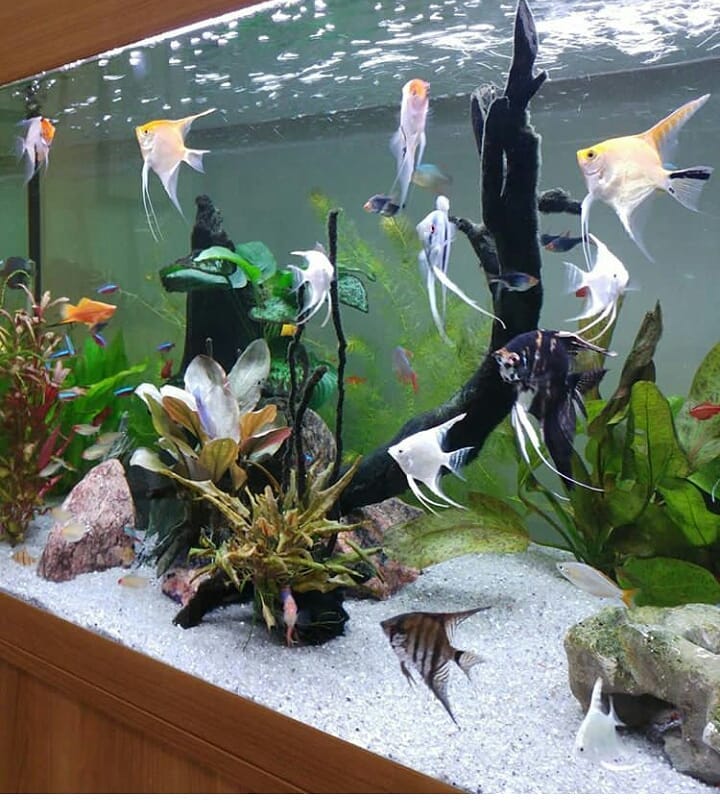
Common causes of why fish dying in aquarium
Fish can die for many reasons. Knowing the main causes helps you act fast.
- Water quality problems. Ammonia, nitrite, and big nitrate spikes are toxic and kill fish fast.
- Sudden temperature swings. Fish struggle with rapid hot or cold changes.
- Disease and parasites. Bacterial, fungal, and parasitic infections can spread quickly.
- Overfeeding and poor diet. Leftover food decays and poisons the water.
- Overstocking and stress. Too many fish raises waste and fights, causing weakness.
- Bad acclimation. Moving fish without a proper acclimation kills many new arrivals.
- Toxins and chemicals. Household cleaners, copper, and some medications harm fish.
From my own tanks, I learned that the most frequent early warning is odd behavior — gasping at the surface, clamped fins, or loss of appetite. Spotting that early usually lets you save the fish with a few simple actions.

Water quality: testing and quick fixes
Clean water is the single most important factor in preventing fish deaths.
- Test regularly. Use color test kits or digital meters to check ammonia, nitrite, nitrate, pH, and temperature.
- Cycle the tank. Ensure the nitrogen cycle is established before adding many fish.
- Do partial water changes. Replace 20–30% weekly for established tanks and 40–50% for emergency fixes.
- Treat ammonia or nitrite spikes. Add water immediately and use conditioners that detoxify ammonia while bacteria recover.
If you see rising ammonia or nitrite, remove uneaten food, do a large partial water change, and reduce feeding. In my earliest tank, a 50% water change saved most fish after a filter clog caused a toxic spike.

Disease, parasites, and infection control
Illness can spread fast. Knowing the signs helps you act quickly.
- Watch for visible signs. White spots, frayed fins, bloating, and unusual swimming are common red flags.
- Quarantine new fish. Keep new arrivals in a separate tank for 2–4 weeks to watch for disease.
- Use targeted treatment. Identify the issue and apply medication as directed. Broad treatments can hurt beneficial bacteria.
- Maintain good hygiene. Clean nets, hands, and tools between tanks to limit spread.
Common conditions like ich, fin rot, and swim bladder issues often respond well to early treatment. I once treated ich by raising temperature slightly and adding medication; early action prevented a tank-wide outbreak.
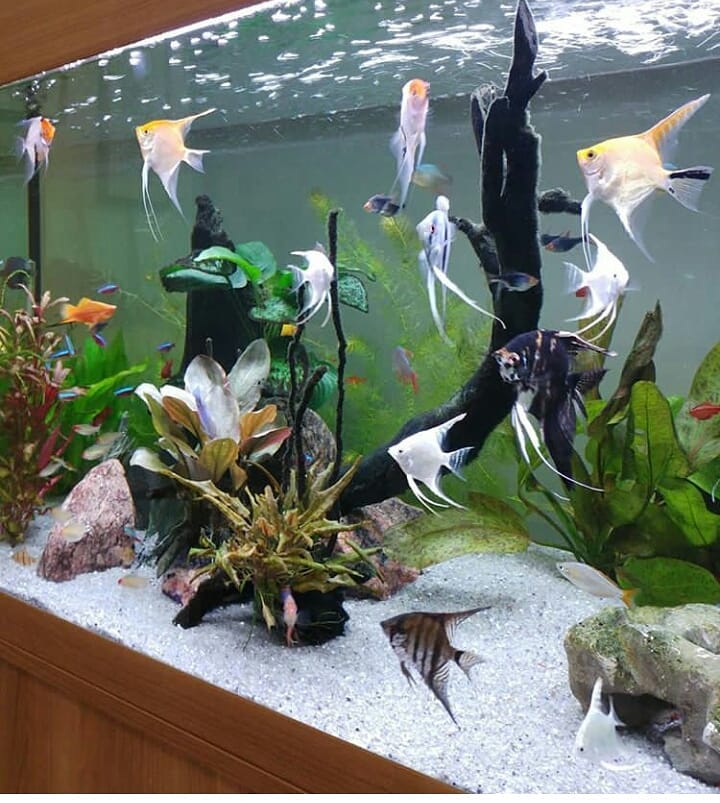
Stress, overcrowding, and tank setup
Stress weakens fish and makes them more prone to disease.
- Follow stocking guidelines. Use the “inch per gallon” rule only as a rough guide and adjust for fish size and behavior.
- Provide hiding spots. Plants, caves, and decorations reduce stress and aggression.
- Match species. Keep fish with similar water needs and temperaments.
- Maintain stable conditions. Avoid moving decorations or changing flow patterns without care.
I remember a community tank where adding a single aggressive species led to sudden deaths over weeks. Rehoming the bully and improving hiding places brought peace and recovery.
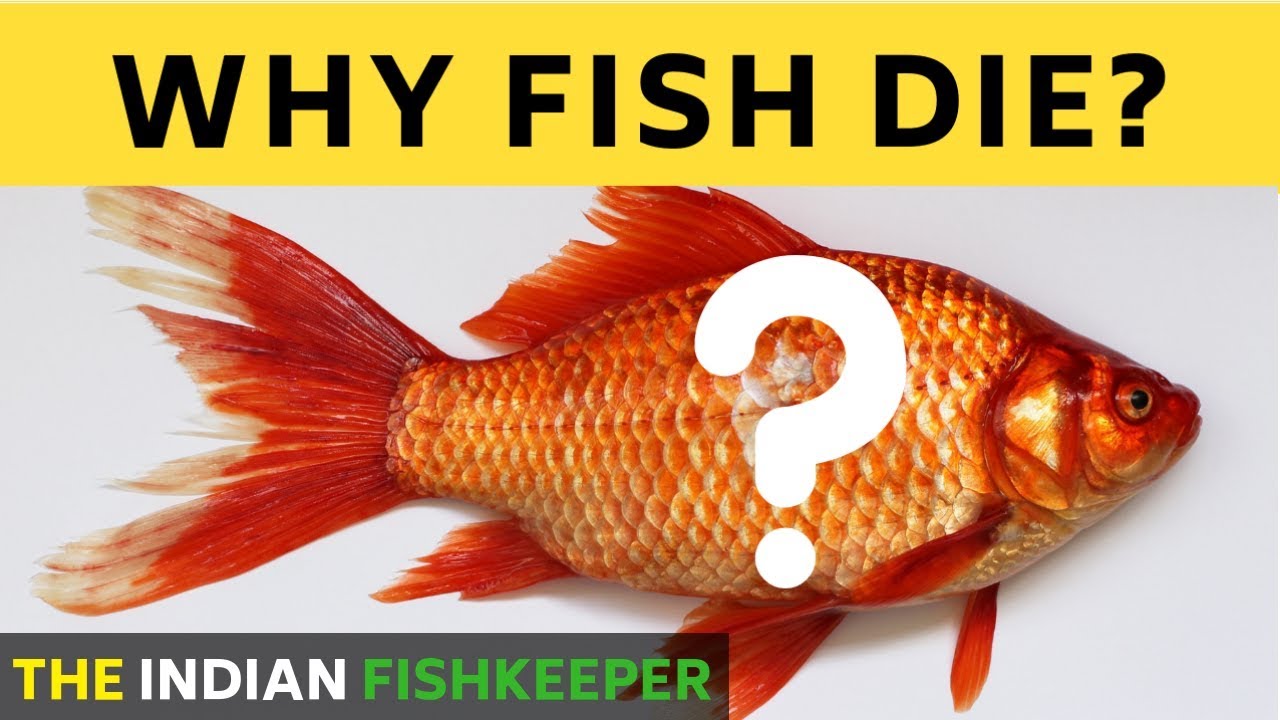
Feeding, nutrition, and overfeeding
Good food keeps fish healthy. Bad feeding kills them slowly.
- Feed appropriate food. Use pellets, flakes, frozen, or live food suitable for your species.
- Feed small amounts. Offer what fish eat in 1–2 minutes, once or twice a day.
- Avoid overfeeding. Uneaten food rots and raises ammonia.
- Use occasional fasting. One fasting day per week helps digestion for many species.
A bag of freeze-dried food once led to a heavy algae bloom because it sank and rotted. I switched to portioned servings and the problem stopped.
Proper acclimation and transport practices
Moving fish is risky. Proper acclimation reduces shock and death.
- Float bag in tank. Let the bag sit for 15–20 minutes to equalize temperature.
- Drip acclimate for sensitive fish. Use airline tubing to slowly add tank water into the bag over 30–60 minutes.
- Avoid sudden pH or hardness changes. Match water parameters as closely as possible before transfer.
- Minimize stress during transport. Keep the bag dark and quiet.
When I started using drip acclimation with new tetras, my losses dropped dramatically. It’s a small step that makes a big difference.

Tank maintenance, equipment, and filtration
Good gear and upkeep keep problems from starting.
- Use proper filtration. Match filter size and flow to tank bioload and species needs.
- Maintain heater accuracy. Use a reliable heater and a backup thermometer to avoid temperature drift.
- Clean gently. Rinse sponges in tank water during water changes to preserve beneficial bacteria.
- Replace old equipment. Failing pumps or heaters often cause sudden fish deaths.
One midnight I woke to find a heater dead and several fish gone. Investing in a good heater and a thermostat saved me from repeating that error.

Prevention checklist and first-responder steps
Have a plan so you can act fast if fish start dying.
- Immediate actions
- Remove dead fish promptly to prevent ammonia spikes.
- Test water for ammonia, nitrite, nitrate, pH, and temperature.
- Do a 25–50% water change with dechlorinated water.
- Reduce feeding to zero or tiny amounts until levels stabilize.
- Short-term fixes
- Increase aeration with an air stone if fish gasp at the surface.
- Isolate sick fish in a quarantine tank for diagnosis and treatment.
- Check filter and pump for clogs.
- Long-term prevention
- Keep a log of water tests and maintenance tasks.
- Quarantine new fish and plants.
- Build a maintenance routine and stick to it.
In one emergency, adding an air stone and doing a large water change saved almost an entire tank that had been poisoned by a decaying plant.

Personal experience: mistakes, lessons, and best tips
I’ve lost fish. Each loss taught me a clear lesson.
- Mistake: adding many fish to a new tank. Lesson: cycle first and add fish slowly.
- Mistake: skipping quarantine. Lesson: one disease can wipe out a community tank.
- Mistake: trusting a single test kit. Lesson: cross-check with a digital meter or a second kit.
My best tip is to build simple routines. Test water weekly, perform small water changes, and feed measured amounts. Routine prevents most emergencies.
Frequently Asked Questions of why fish dying in aquarium
What is the most common reason for fish dying in aquarium?
Poor water quality from ammonia, nitrite, or nitrate spikes is the top cause. These toxins build up quickly when tanks are overstocked or not cycled.
How fast can bad water kill fish?
Toxic spikes can kill fish within hours to days depending on severity and species sensitivity. Prompt testing and water changes are essential to stop rapid losses.
Can temperature changes cause sudden fish deaths?
Yes. Rapid drops or rises in temperature stress fish and weaken their immune systems, making death more likely. Use a reliable heater and gradual acclimation to prevent this.
Should I remove all fish if one fish dies?
Not automatically. Remove the dead fish and test the water first. Quarantine visibly sick fish and treat based on symptoms and test results.
How do I prevent disease spread after a fish dies?
Quarantine sick fish, isolate new arrivals, disinfect nets and tools, and maintain good water quality. Early detection and treatment are key to preventing tank-wide outbreaks.
Is overfeeding really dangerous for aquarium fish?
Yes. Overfeeding leads to rotting food, which increases ammonia and fuels harmful bacteria and algae. Feed small portions that fish consume quickly.
Conclusion
Keeping fish alive and healthy comes down to stable water, careful feeding, thoughtful stocking, and quick response when things go wrong. Small, consistent steps — testing water, doing routine changes, quarantining new fish, and acting fast on warning signs — will prevent most losses. Start a simple maintenance plan today and commit to steady care; your fish will thrive and you’ll stress less. Share your experiences or questions in the comments, subscribe for more aquarium tips, or try one prevention step this week to see immediate improvement.