
Educating zoo and aquarium visitors about animals and conservation is crucial for fostering awareness and responsibility. Visiting a zoo or an aquarium isn't just about being wowed by exotic animals or colorful underwater life; it's about igniting a connection between people and wildlife. This connection is pivotal in today's world, where many species face threats from habitat loss, climate change, and poaching. By educating visitors, zoos and aquariums can transform spectators into advocates for conservation, encouraging them to support sustainable practices in their daily lives.
The Role of Education in Conservation
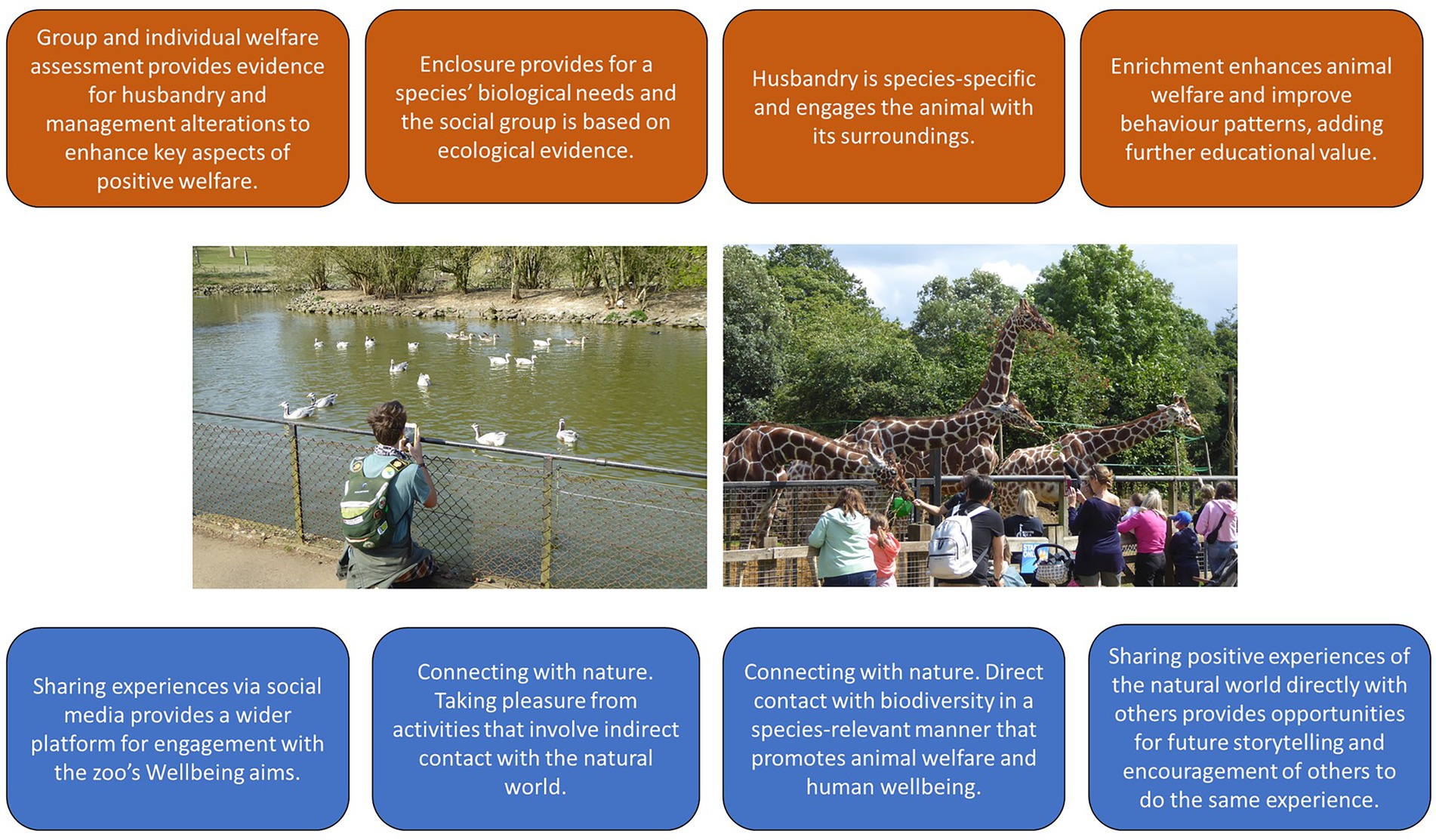
Zoos and aquariums serve as more than just recreational facilities; they are vital educational platforms. They offer firsthand experiences that allow people to see animals up close, creating a personal link that can inspire dedication to conservation causes. According to many conservationists, exposure to wildlife in these settings increases empathy and understanding, which can drive change in public behavior and policies.
Hands-On Learning Experiences
- Interactive exhibits and educational programs enhance understanding.
- Visitor engagement through workshops, tours, and talks fosters deeper connections.
- Real-life encounters with animals leave lasting impressions on visitors.
Bridging the Gap Between People and Wildlife
It's one thing to read about endangered species in textbooks; it's another to witness them in person. Zoos and aquariums bridge this gap, providing a visceral understanding that books or documentaries may not fully capture.
- They illustrate the impact of human activities on wildlife.
- They show real-time conservation efforts in action.
- They inspire visitors to contribute personally to wildlife conservation.

Promoting Sustainable Habits
Educating visitors extends to promoting sustainable practices that can reduce human impact on the environment. Zoos and aquariums often showcase innovative conservation projects and provide practical tips for everyday living.
Inspire Action and Change
- Highlighting successful conservation projects encourages optimism.
- Workshops on sustainable practices empower individuals to make changes.
- Educational campaigns show the importance of biodiversity and ecosystem balance.
Encourage Responsible Tourism
Visitors learn the importance of supporting efforts that protect habitats and wildlife around the world. By fostering responsible tourism, these institutions highlight that everyone has a role to play in the conservation journey.
Personal Experiences and Stories
Many who work in zoos and aquariums can share countless stories of transformation. I've witnessed children participate in educational programs and leave with a newfound passion for conservation. It's these personal stories that reinforce the critical nature of this education.
Real-Life Examples
- Programs that turn passive visitors into active environmental advocates.
- Conservation success stories that begin from a single inspiring zoo visit.
Frequently Asked Questions
How do zoos and aquariums contribute to conservation?
Zoos and aquariums run breeding programs for endangered species and fund conservation projects worldwide. They also educate the public about protecting wildlife and habitats.
Why is visitor education important in zoos and aquariums?
Education fosters awareness and empathy, transforming visitors into informed advocates for conservation efforts. It helps individuals understand human impacts on the environment.
Can visiting a zoo change my perspective on wildlife?
Absolutely! Seeing animals in person often deepens appreciation and commitment to wildlife protection, encouraging sustainable behaviors.
How do zoos and aquariums ensure information shared is accurate?
They work with scientists and conservation experts to provide the most up-to-date and reliable information about wildlife and environmental conservation.
Are there ways I can support conservation efforts after visiting a zoo or aquarium?
Yes, you can support by donating to conservation funds, participating in educational programs, and adopting sustainable practices in daily life.
Conclusion
Educating visitors at zoos and aquariums isn't just a service; it's a powerful mission to create informed global citizens who care about the planet. By engaging with these organizations, people are not only learning about the wildlife they encounter but are also motivated to contribute to preservation efforts. Next time you visit a zoo or aquarium, engage deeply, ask questions, and consider how you can make a difference. Explore more, share your experiences, and consider supporting conservation initiatives today.