
Most aquarium sharks are fed and housed to prevent predation, so they rarely eat tank mates.
I’ve worked with public aquariums and studied shark behavior, so I know why don't sharks eat the other fish in the aquarium is a common question. This article explains the science, husbandry, and design choices that keep sharks and other fish safe together. You’ll learn clear reasons, practical tips, and real-world examples that demystify shark behavior in tanks and help hobbyists and professionals make smart choices.

Why don't sharks eat the other fish in the aquarium — key reasons
Aquarium sharks rarely eat other fish because of targeted feeding, species choice, tank design, and behavior management. Aquariums control food supply and pick species that are compatible, so predation is limited. Staff use feeding routines, enrichment, and careful pairing to reduce hunting drive. The result is a stable mix of sharks and other fish that coexist without routine predation.

Biology and behavior: what sharks naturally do in tanks
Shark species differ in diet and hunting style, and that shapes why don't sharks eat the other fish in the aquarium. Some sharks are active hunters in the wild, while others are scavengers or feed on invertebrates. In captivity, consistent feeding lowers the need to hunt, and some species lose the drive to chase fast prey.
Shark senses and hunting cues matter too. Sharks rely on smell, vibration, and electroreception to find prey, and tank conditions often mask those cues. When food is offered directly and predictably, sharks focus on human-provided meals rather than tank mates.

Aquarium management: feeding, compatibility, and welfare
Good husbandry explains most answers to why don't sharks eat the other fish in the aquarium. Feeding schedules and diets are designed to meet nutrition needs and cut hunting motivation. Target feeding—delivering food directly to the shark—keeps the shark well-fed without the need to compete with other fish.
Compatibility planning prevents trouble before it starts. Aquariums select shark species and tank mates based on size, temperament, and habitat needs. Staff monitor behavior and separate individuals if aggression appears. My experience shows that a calm tank often comes from predictable feeding and regular health checks.
Tank design and enrichment that reduce predation
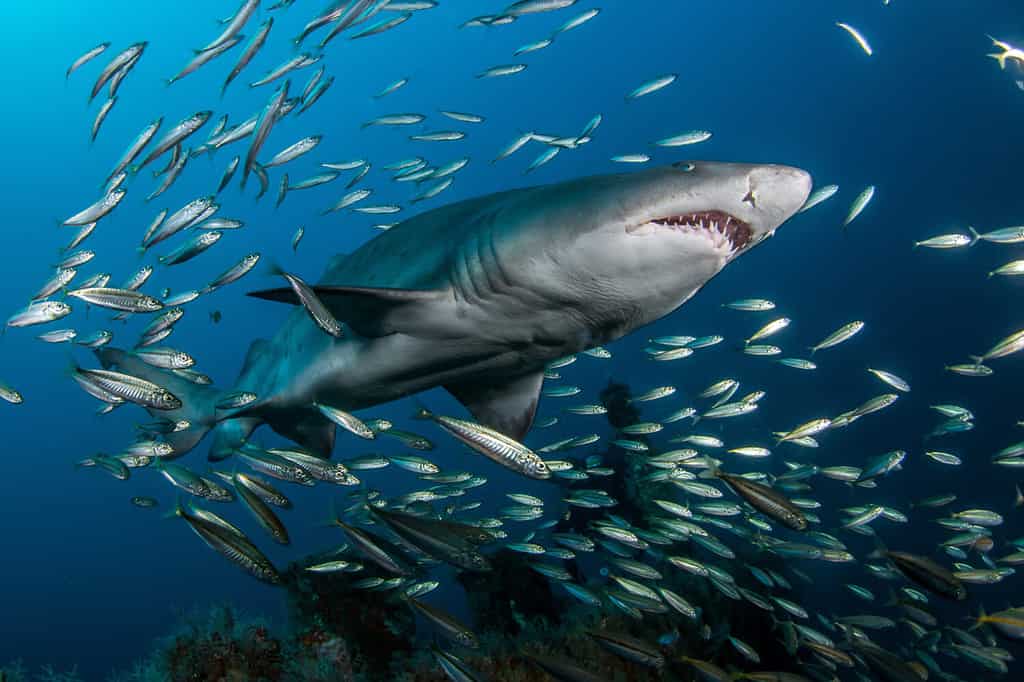
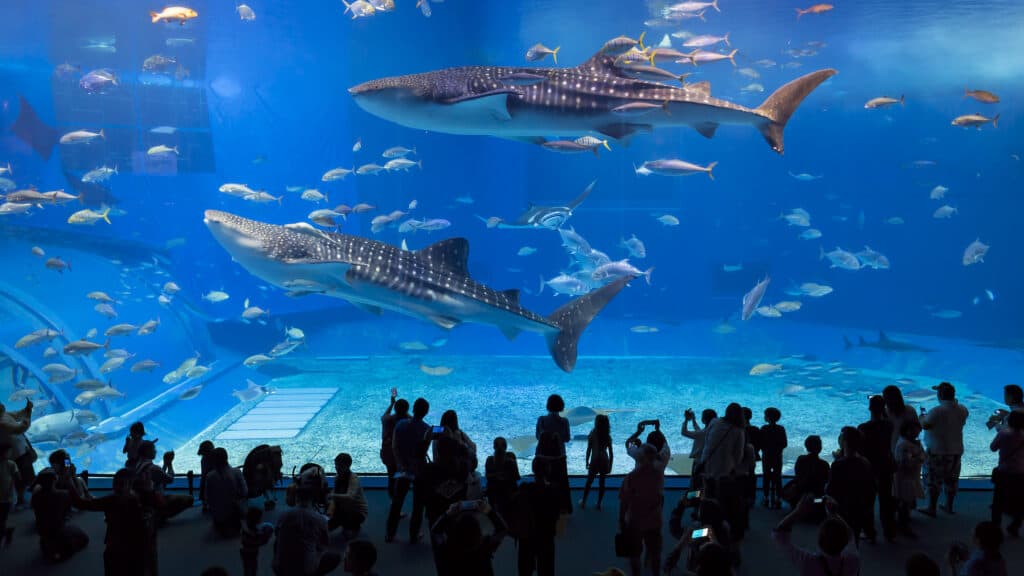
Tank layout plays a big role in why don't sharks eat the other fish in the aquarium. Designers create hiding places and swim zones so smaller fish can avoid sharks. Naturalistic decor, current flow, and visual barriers help reduce direct encounters.
Enrichment also keeps sharks engaged and less focused on hunting tank mates. Toys, scent trails, and varied feeding puzzles meet mental needs and reduce boredom-driven aggression. In practice, a varied environment cuts chase behavior and supports overall welfare.

Common myths and misunderstandings
There are many myths around why don't sharks eat the other fish in the aquarium, and they can cause bad choices. Myth: all sharks will eat any other fish. Reality: many shark species are not active predators of large tank mates when fed properly. Myth: sharks are always dangerous in mixed tanks. Reality: risk is manageable with good husbandry and species matching.
People also assume captive sharks behave exactly like wild sharks. Captivity changes food availability and social cues, so behavior often differs from wild hunting patterns. Understanding those differences helps set realistic expectations for tank owners and visitors.
Practical tips for hobbyists and aquarium managers
If you keep or design tanks with sharks, follow these clear actions to address why don't sharks eat the other fish in the aquarium:
- Choose species carefully, matching shark size and temperament to tank mates.
- Provide a large enough tank so sharks and smaller fish have distinct zones.
- Use target feeding to ensure sharks get proper nutrition without stealing from others.
- Add structure and hiding spots so smaller fish can escape and rest.
- Observe daily and separate or rehouse any aggressive individuals promptly.
From my work, the biggest mistake is underestimating space needs. Sharks require room to swim and predictable rhythms to stay calm. Proper planning prevents most conflicts.
Frequently Asked Questions of why don't sharks eat the other fish in the aquarium
Why do sharks in aquariums not eat smaller fish like they do in the wild?
Many aquarium sharks are fed on schedule and lose the drive to hunt constantly. Staff also choose compatible species and provide hiding spaces that reduce encounters.
Are there shark species that will always eat other fish in a tank?
Some active predatory species have higher risk, but even they can coexist if fed properly and given enough space. Risk can be reduced with careful pairing and management.
Can overcrowding make sharks start eating tank mates?
Yes, overcrowding raises stress and competition, which can lead to aggression or predation. Adequate tank size and proper stocking prevent this behavior.
How do aquariums prevent sharks from stealing food from other fish?
Aquariums use target feeding, feeding stations, and separate feeding times for species. These methods ensure sharks get enough food without competing with other fish.
Is it safe for hobbyists to keep sharks with other fish at home?
Keeping sharks at home is challenging and not recommended for beginners. Proper tank size, species choice, and husbandry are essential for safety and animal welfare.
Conclusion
Sharks in aquariums usually don’t eat other fish because of thoughtful species selection, steady feeding, smart tank design, and good husbandry. These steps change natural hunting drives and create stable communities. If you keep or care for tanks, focus on space, feeding, and enrichment to protect all animals. Try one small change today: review your feeding routine or add a hiding spot, and observe the difference in behavior. If this helped, subscribe or leave a comment to share your tank story.