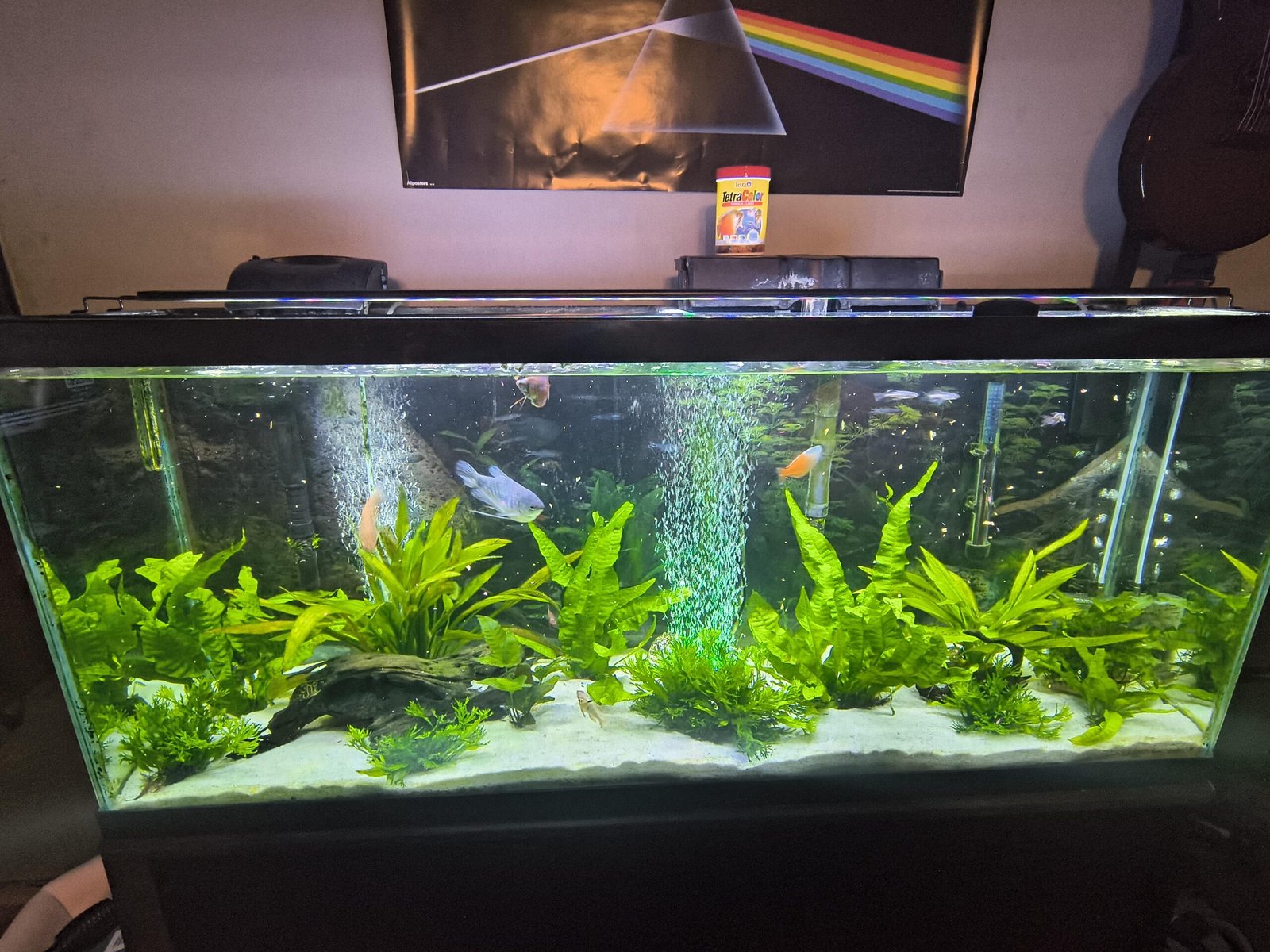
Fast aquarium water evaporation usually stems from high room temperature, low humidity, strong airflow, and uncovered tanks.
I’ve kept aquariums for years, and I’ve helped many friends stop losing water so quickly. If you’ve ever asked, why does the water in my aquarium evaporate so fast, this article breaks down the real causes and shows simple fixes. I combine practical experience, clear explanations, and step-by-step tips so you can reduce evaporation and keep your tank stable.

Main causes: why does the water in my aquarium evaporate so fast
Evaporation is normal. Warm water turns into vapor at the surface and escapes into the room air. But some tanks lose water much faster than others.
Common causes include high room temperature, low indoor humidity, direct lighting, open tanks, and strong airflow from fans or vents. Equipment like heaters and filters can raise water temperature and speed evaporation. Surface agitation from filters or strong pumps also spreads water molecules, making them evaporate faster.
If you ask, why does the water in my aquarium evaporate so fast, check these items first. They are the most likely reasons and the easiest to change.

How evaporation works in your aquarium
Evaporation depends on three simple things: temperature, humidity, and surface exposure. Warmer water gives molecules more energy. Drier air can hold more water vapor. A larger open surface gives more space to evaporate.
Evaporation rate increases with:
- Rising water temperature. Each degree warmer speeds evaporation.
- Lower room humidity. Dry air soaks up vapor quickly.
- Bigger exposed surface. Wide tanks lose water faster than tall tanks.
- More airflow across the tank. Fans, open windows, and HVAC vents speed things up.
When you wonder, why does the water in my aquarium evaporate so fast, these physics basics answer most of it.

Environmental factors that speed up evaporation
Room conditions matter a lot. A warm, dry room with lots of air movement is a perfect evaporation engine.
Key environmental factors:
- Room temperature: Heaters, warm lighting, and sun-facing windows raise room and water temperature.
- Indoor humidity: Homes with low humidity let water vapor disperse quickly.
- Airflow: Ceiling fans, air vents, and open windows blow vapor away.
- Direct sunlight: Sun warms the water and increases evaporation.
I once had a tank near a sunny window that lost half an inch daily. Moving it away cut evaporation in half within a week.

Tank setup and equipment that affect evaporation
Your tank setup plays a key role. The same tank in different rooms will behave differently.
Equipment effects:
- Aquarium lid or hood: A lid slows evaporation dramatically. Open-top tanks evaporate much faster.
- Heater placement: Heaters near the surface warm the top layer and speed loss.
- Filter output: Strong surface agitation increases evaporation. Directing flow downward helps.
- Lighting type: High-output LED and metal halide lights add heat. Timers help control run time.
If you ask, why does the water in my aquarium evaporate so fast, check if your setup heats or stirs the surface too much.

Practical tips to reduce aquarium evaporation
You can slow evaporation easily. Use a few simple steps and you’ll see quick results.
Try these practical fixes:
- Add a fitted lid or cover glass. It’s the fastest, most effective solution.
- Lower room temperature slightly or reduce heater output a few degrees.
- Increase room humidity with a small humidifier placed away from electricals.
- Reduce direct airflow across the tank. Move fans or redirect HVAC vents.
- Aim filter return downward or reduce flow to limit surface agitation.
- Use floating plants or densely planted aquascapes to block surface area.
- Dim or shorten lighting periods to lower heat input.
I used a clear glass lid and redirected a filter return. Evaporation dropped from a quarter inch a day to a few drops.

Monitoring and measuring evaporation
Track evaporation to spot changes. Simple monitoring helps test fixes.
How to measure:
- Mark the glass: Use a marker on day one and check daily at the same time.
- Use a ruler: Measure water height loss in millimeters or inches each day.
- Log conditions: Note room temp, humidity, and equipment changes.
If you keep asking, why does the water in my aquarium evaporate so fast, these measurements show whether fixes work.

Troubleshooting common scenarios
Common questions have quick fixes. Match the scenario to a likely cause.
Scenarios and solutions:
- Rapid loss after installing a new light: Reduce light time or move the lamp away.
- Faster loss when guests run HVAC: Close vents or add a lid during those times.
- Evaporation spikes in winter: Indoor heat and dry air cause it; use a humidifier.
- Loss after installing a stronger pump: Lower pump flow or redirect output below surface.
If you still wonder, why does the water in my aquarium evaporate so fast, this list will guide your next steps.

Personal tips and lessons learned
From my aquarist experience, small changes make big differences. I learned the hard way that a beautiful open-top tank can be high maintenance.
What I tried and what worked:
- Swapped a decorative open lid for a glass top. It cut evaporation dramatically without harming aesthetics.
- Moved a tank two feet away from a sunny window and saved hours of daily water top-ups.
- Used floating plants to reduce exposed surface and noticed more stable water parameters.
If you try one tip, add a lid and measure the difference. You’ll see how big an effect tiny changes can have.

When rapid evaporation signals other problems
Sometimes fast water loss points to other issues. Don’t ignore sudden changes.
Possible red flags:
- Hidden leaks: Check seams, fittings, and hose connections.
- Excessive equipment heat: Malfunctioning heaters may overheat water.
- Unusual room changes: New ventilation systems or summer heat waves can change evaporation.
If you’re asking, why does the water in my aquarium evaporate so fast and you see sudden spikes, inspect the tank and equipment before adding more water.
Frequently Asked Questions of why does the water in my aquarium evaporate so fast
Can evaporation harm my fish?
Evaporation increases salinity in saltwater tanks and concentrates chemicals in freshwater tanks. Regular top-offs and testing keep parameters safe and prevent stress for fish.
Is daily top-off normal?
Yes, daily top-offs are normal for many open-top tanks, especially in dry or warm rooms. If you top off daily, consider a lid or humidity control to cut maintenance.
Will a lid affect gas exchange?
A fitted lid reduces evaporation but still allows gas exchange if you leave small gaps or use vents. Ensure adequate surface movement or an airstone to maintain oxygen levels.
Can I use tap water for top-offs?
Tap water is often fine for top-offs if treated to remove chlorine and chloramine. Match temperature to tank water to avoid stressing fish.
Does a humidifier help reduce evaporation?
Yes, a room humidifier raises air moisture and slows evaporation. Place it safely and monitor both tank and room humidity to avoid condensation problems.
Conclusion
Evaporation is natural, but it can be managed. High temperature, low humidity, strong airflow, open surfaces, and certain equipment cause fast water loss. Start by measuring loss, then try a lid, adjust flow, reduce heat sources, or raise room humidity. Small, targeted changes usually fix the problem quickly.
Take action today: measure your tank’s evaporation, try one simple fix, and watch the change. If you found this helpful, leave a comment, subscribe for more aquarium tips, or share your own evaporation story.