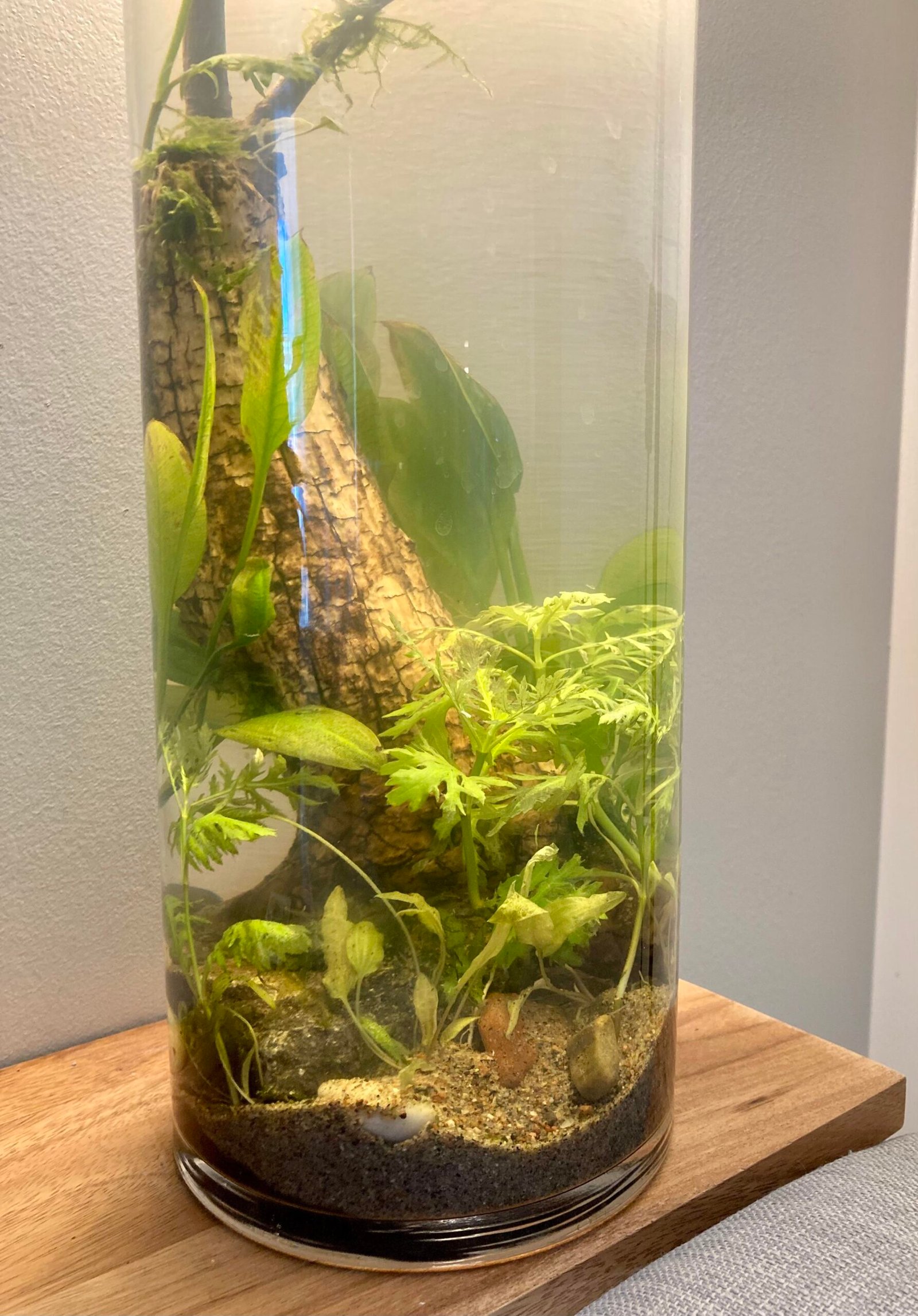
Aquarium water may smell due to bacteria growth, decaying plants, or leftover food.
If you’ve ever leaned close to your aquarium only to be greeted with an unpleasant odor, you know it's not the experience you hoped for. Taking care of an aquarium goes beyond just adding water and fish; it’s about creating a balanced ecosystem. In this article, we'll explore why your aquarium water might have a bad smell and provide tips on how to maintain a fresh and healthy environment for your aquatic friends.
Common Reasons Your Aquarium Water Smells
Understanding why your aquarium water smells can help you tackle the issue effectively. Let’s dive into the main culprits causing that unpleasant aroma.
Bacteria Overgrowth
A common reason for smelly aquarium water is the overgrowth of bacteria. When excess food or waste is present, it becomes a breeding ground for bacteria, leading to bad odors. Regular cleaning and proper filtration can keep bacteria levels in check.
Decaying Plant Matter
If you have live plants in your aquarium, ensure they remain healthy. Dead or decaying plant matter releases gases that can cause a foul smell. Regular trimming and care can prevent this issue.
Fish Waste
Fish produce waste, and if it's not effectively filtered out, it can build up and lead to smelling water. Invest in a good filtration system and conduct regular water changes to minimize this problem.
Leftover Food
Overfeeding your fish can lead to leftover food sinking to the bottom of the tank, decomposing over time. Be mindful of the amount you feed your fish and remove any uneaten food promptly.
Poor Water Quality
Sometimes, despite good practices, water may decline in quality due to a lack of beneficial bacteria. Regularly test your water’s pH, ammonia, and nitrate levels to ensure a balanced environment.
How to Prevent and Treat Smelly Aquarium Water
Addressing the root cause of the odor is crucial for a lasting solution. Here are some strategies to prevent and treat smelly water.
Regular Water Changes
One of the simplest ways to keep your water fresh is through regular changes, typically 10-20% weekly. This helps remove waste and stabilize water parameters.
Invest in Quality Filtration
A reliable filtration system will keep your water clear and odor-free. Ensure the filter is appropriate for the size of your aquarium and clean it regularly to maintain efficiency.
Maintain a Balanced Ecosystem
Introduce beneficial bacteria that help break down waste products. These bacteria support a healthy ecosystem, reducing smells and keeping your fish healthy.
Monitor Feeding Schedules
Feed your fish only what they can consume in a few minutes. This reduces leftover food and promotes a cleaner environment.
Plant Health Management
Keep an eye on plant vitality, removing any dead or yellowing leaves promptly. Healthy plants contribute to a healthy, sweet-smelling aquarium.

Frequently Asked Questions of Why Does My Aquarium Water Smell
Why does my new aquarium smell bad?
New aquariums might smell due to initial bacterial blooms. This is a natural part of the cycling process as bacteria establish themselves.
Can overstocking fish cause smelly water?
Yes, too many fish in a tank increases waste production, leading to potential odors. Stick to recommended stocking levels for your aquarium size.
How often should I clean my aquarium to prevent smells?
Perform partial water changes weekly and clean the substrate as needed. Filter maintenance should be done every few weeks.
Do different types of fish affect how the water smells?
Certain fish produce more waste, potentially affecting water odor. Research your species to understand their impact on the tank environment.
Is a smelly aquarium dangerous for fish?
Yes, bad odors can indicate poor water quality, which may harm fish health. Addressing the root cause of the smell keeps your fish safe.
Conclusion
A fresh-smelling aquarium is within your reach with a bit of diligence and care. By understanding the causes of smelly water and implementing strategic cleaning and maintenance practices, you can ensure a healthy, pleasant environment. Take proactive steps today to keep your aquarium thriving and enjoyable for both you and your aquatic companions. For further tips and community support, consider joining online aquarium enthusiast groups or subscribing to specialized newsletters for ongoing advice.