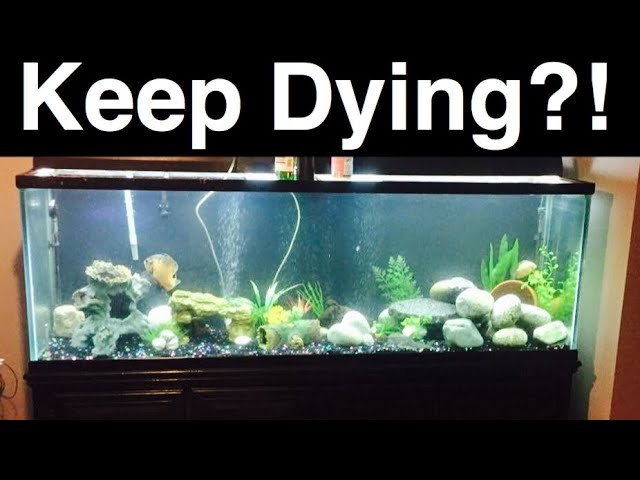
Fish often die in aquariums because of poor water quality, overfeeding, or stress.
If you've ever experienced the heartache of losing a fish in your aquarium, you're not alone. Many fish enthusiasts face this challenge, often without understanding why it's happening. In this comprehensive guide, we'll explore the common reasons behind fish deaths in aquariums, offering insights and tips to help you create a healthy environment for your aquatic friends. Whether you're a beginner or a seasoned hobbyist, understanding these factors can ensure the longevity and vitality of your fish.
Common Reasons Why Fish Die in Aquariums
Ensuring the well-being of fish in your aquarium involves understanding several key factors. These are the most common causes of fish mortality:
Poor Water Quality
Water quality is crucial for the health of fish. Sub-par conditions can lead to stress and disease. Regular testing and maintenance are essential. Monitor:
- Ammonia Levels: High levels are toxic.
- Nitrite and Nitrate Levels: These should be kept minimal.
- pH Levels: They need to be stable and appropriate for your fish species.
Overfeeding
Overfeeding can lead to waste accumulation and water pollution. Feed your fish in small amounts, and remove any uneaten food to maintain cleanliness.
Incompatible Tank Mates
Sometimes, it's not just about the fish themselves but with whom they share the tank. Incompatible species can cause stress and aggression. Research your fish species to ensure compatibility.
Stress from Environment
Fish are sensitive creatures and can be easily stressed by factors like:
- Temperature Fluctuations: Keep a stable water temperature.
- Improper Lighting: Mimic natural light patterns.
- Inappropriate Decoration: Ensure there are hiding spots and open swimming areas.
Lack of Regular Maintenance
An often-overlooked factor is regular tank cleaning and maintenance. A clean environment is crucial, including:
- Regular Water Changes: Helps maintain water quality.
- Filter Cleaning: Ensures optimal performance.
- Gravel Vacuuming: Removes waste and debris.
Disease and Parasites
Fish can fall victim to various diseases and parasites, often introduced from new fish or plants. Quarantine new arrivals and regularly check for signs of illness, like changes in appearance or behavior.
Tips for Preventing Fish Loss
Caring for your aquarium involves proactive steps to ensure a thriving environment:
- Maintain Consistent Water Parameters: Regular checks and adjustments are vital.
- Establish a Feeding Schedule: This avoids overfeeding and helps maintain cleanliness.
- Research Fish Before Purchase: Know their needs and compatibility.
- Regularly Inspect and Clean Equipment: Ensure all equipment is functioning efficiently.
- Observe Fish Behavior: Early detection of stress or illness can prevent loss.
Frequently Asked Questions
Why are my fish gasping at the surface?
This usually indicates low oxygen levels in the water. Try increasing aeration with an air stone or adjust the filter for better circulation.
How often should I change the aquarium water?
Ideally, change 10-15% of the water weekly. This helps maintain a healthy environment by reducing toxin levels.
Why are my fish's colors fading?
Fading colors may result from stress, poor diet, or inadequate lighting. Evaluate these factors to restore vibrancy.
How do I introduce new fish safely?
Always quarantine new fish for at least 2 weeks before introducing them to your main tank. This prevents disease spread.
What should I do if my fish appears sick?
Isolate the sick fish in a separate tank, and consult a specialist for the correct treatment. Monitoring tank conditions can also help identify potential causes.
Conclusion
Creating a thriving aquarium is both a rewarding and challenging task. By understanding the common causes of fish deaths, such as water quality, overfeeding, and incompatibility, you can foster a healthy environment for your fish. Regular maintenance, careful observation, and consistent care are key to enjoying a vibrant aquarium. Dive deeper into your aquatic journey by subscribing to our newsletter, sharing your experiences, or exploring our library of resources. Your fish deserve the best, and you're now equipped to provide it!