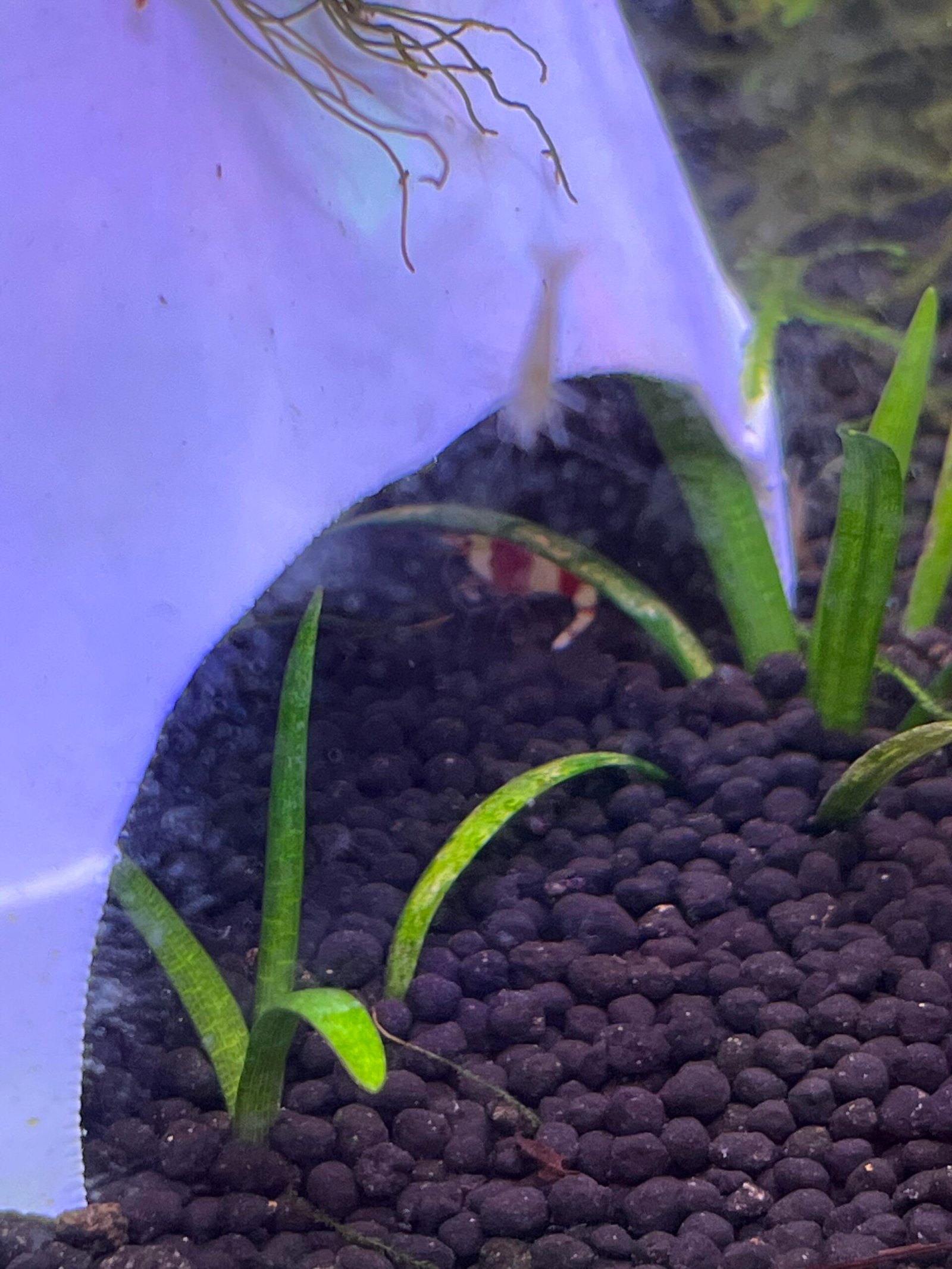
Most shrimp in aquariums curl up because it's a natural response to environmental stress.
If you’ve ever noticed your shrimp curling up in your aquarium, you might wonder what’s going on. This behavior isn’t just a quirky trait—it’s a sign worth paying attention to. Understanding why shrimp curl up can help you maintain a healthy environment for your aquatic friends. In this article, we'll explore the reasons behind this behavior, offer practical tips, and ensure you're well-equipped to keep your shrimp thriving.
Environmental Stressors
Shrimp often curl up due to environmental stress. This can be triggered by several factors, each impacting their well-being:
- Water Quality: Poor water conditions, such as imbalanced pH or high ammonia levels, can cause stress. Regular testing and maintenance are crucial.
- Temperature Fluctuations: Sudden changes in temperature can be alarming for shrimp. A consistent, suitable temperature is essential.
- Pollutants: Chemicals like chlorine in tap water can stress shrimp. Always use a dechlorinator when changing water.
By maintaining optimal water conditions, you create a stress-free environment for your shrimp.
Inadequate Diet
A proper diet is vital for shrimp health. Shrimp require nutrients that mimic their natural diet, which can sometimes be overlooked in captivity:
- Varied Diet: Provide a mix of commercial shrimp food, algae, and vegetables.
- Nutrient Deficiency: Lack of essential vitamins and minerals can cause weakness and stress responses. Supplements may help.
Feeding your shrimp a diverse diet ensures they receive all necessary nutrients, reducing the risk of curling due to malnutrition.
Molting Issues
Molting is a critical process for shrimp growth. Problems here can trigger stress behaviors:
- Lack of Iodine: Iodine is essential for molting. Supplements can aid this process.
- Injury During Molting: Provide hiding spaces to reduce stress and potential injury during molting.
Help your shrimp molt successfully by ensuring safe, iodine-rich conditions, and provide ample hiding places to minimize stress.
Overcrowding
Too many tank mates can lead to competition and stress:
- Aggressive Tank Mates: Some species may bully shrimp, causing them to curl up defensively.
- Space Constraints: Ensure the tank is spacious enough to accommodate all inhabitants comfortably.
A well-balanced tank population reduces stress and allows shrimp to thrive without the need to curl up defensively.
Disease and Parasites
Illnesses can also cause shrimp to curl up. Look for these signs:
- Visible Parasites or Fungi: Check your shrimp regularly for external parasites or unusual growths.
- Lethargy: Consistent inactivity may suggest underlying health issues.
Quarantine infected shrimp and consult a professional for advice on treatment to ensure a healthy aquarium environment.
Frequently Asked Questions about Shrimp Curling Up in Aquariums
What do I do if my shrimp curl up?
Check for common stressors such as water quality, pollutants, or disease. Address these issues promptly.
Can shrimp die from curling up?
If left unchecked, the underlying cause of curling (like poor water conditions or disease) might lead to more severe health problems.
How can I tell if a shrimp is stressed?
Alongside curling, look for symptoms like frequent hiding, erratic swimming, or loss of appetite.
Is curling normal after molting?
Post-molt curling can be normal as shrimp are vulnerable and may seek protection. Ensure they have hiding spots.
Are shrimp that curl always sick?
Not necessarily. Sometimes, it’s a response to temporary stress rather than a sign of illness.
Conclusion
Taking the time to understand why your shrimp curl up in the aquarium can greatly enhance their well-being. By managing water quality, offering a balanced diet, and preventing overcrowding, you can create a healthy environment where your shrimp flourish. If you encounter persistent issues, consider consulting an expert for personalized advice. Feel free to share your experiences or ask questions in the comments—let's ensure your aquarium thrives!
