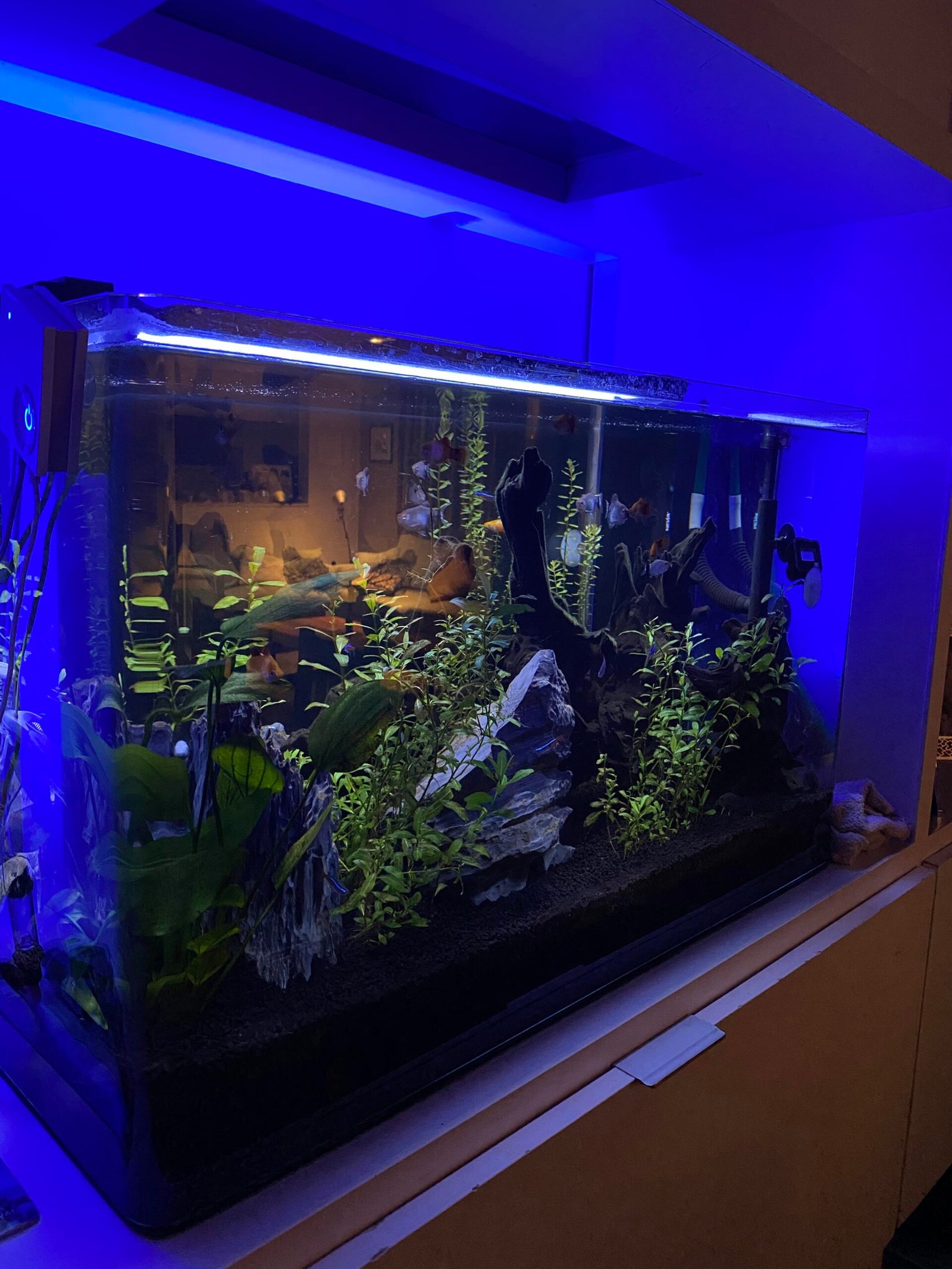
Aquariums use blue light to mimic moonlight, enhance colors, and support coral growth. Dive deeper into why blue light is crucial for aquariums, and explore how it benefits both aquatic life and displays. This journey will uncover insights into the fascinating role blue light plays in creating vibrant and healthy underwater ecosystems.
The Role of Blue Light in Aquariums
When stepping into a room with an aquarium, you might notice the mesmerizing blue hue illuminating the water. It’s not just for aesthetics. Blue light holds the key to creating an environment that fosters the health and well-being of aquatic creatures.
Simulating Natural Environments
Blue light is reminiscent of moonlight, providing a calming, natural atmosphere. In the wild, many aquatic species are exposed to moonlight, which influences their behaviors and feeding patterns. The blue hue mimics this environment, offering a familiar and comforting setting.
Enhancing Aquarium Aesthetics
Blue light enhances the visual appeal of aquariums. It accentuates vibrant colors of fish and corals, making them pop against the backdrop. This not only highlights the beauty of the aquatic life but also creates an engaging display for viewers.
Promoting Coral and Plant Growth
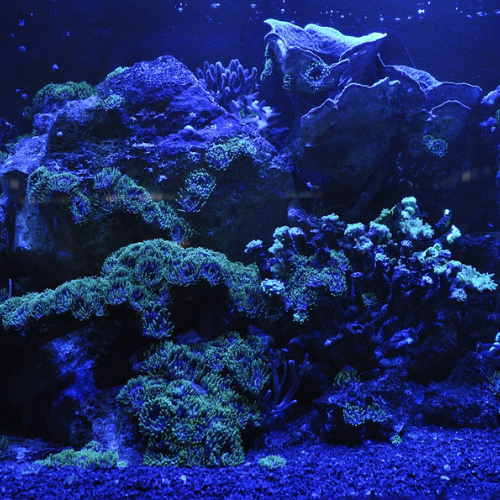
For those with reef aquariums, blue light is critical. Many corals rely on specific light spectrums for photosynthesis. Blue light supports this process, promoting healthy growth and vibrant colors in corals. Additionally, it helps in the growth of many aquatic plants, contributing to a balanced ecosystem.
Supporting Nocturnal Activity
Blue lighting plays a pivotal role in supporting the nocturnal activities of certain fish species. During nighttime, these creatures become active, and blue light acts as a guide, allowing them to navigate without stress and maintain their natural behaviors.
Reducing Algae Growth
Blue light helps in minimizing unwanted algae growth. While certain spectrums of light can promote algae proliferation, blue light is less conducive to this, helping maintain a cleaner and clearer aquarium environment.
Frequently Asked Questions of Why Does an Aquarium Have Blue Light
What is the primary benefit of blue light in aquariums?
The main benefit is the simulation of a natural environment that supports the health and behavioral patterns of aquatic life.
Does blue light affect fish behavior?
Yes, blue light provides a familiar environment, reducing stress and allowing fish to exhibit natural behaviors.
Can blue light promote coral growth?
Absolutely. Blue light is essential for photosynthesis in many corals, aiding in their growth and health.
How does blue light enhance aquarium aesthetics?
It highlights the vivid colors of fish and corals, creating a stunning and captivating visual display.
Is blue light better for controlling algae?
Blue light is less likely to promote algae growth compared to other light spectrums, helping maintain a cleaner tank.
Conclusion
Blue light's role in aquariums goes beyond mere aesthetics—it’s a critical component that fosters healthy aquatic ecosystems. By mimicking natural environments and enhancing visual appeal, blue light creates a symbiotic relationship between beauty and necessity. Whether you're a hobbyist or a professional, understanding the importance of blue light can lead to a thriving aquarium. Dive into learning more, experiment with your own setup, and immerse yourself in the vibrant world of aquatic care. Consider subscribing for more insights or sharing your experiences in the comments below!