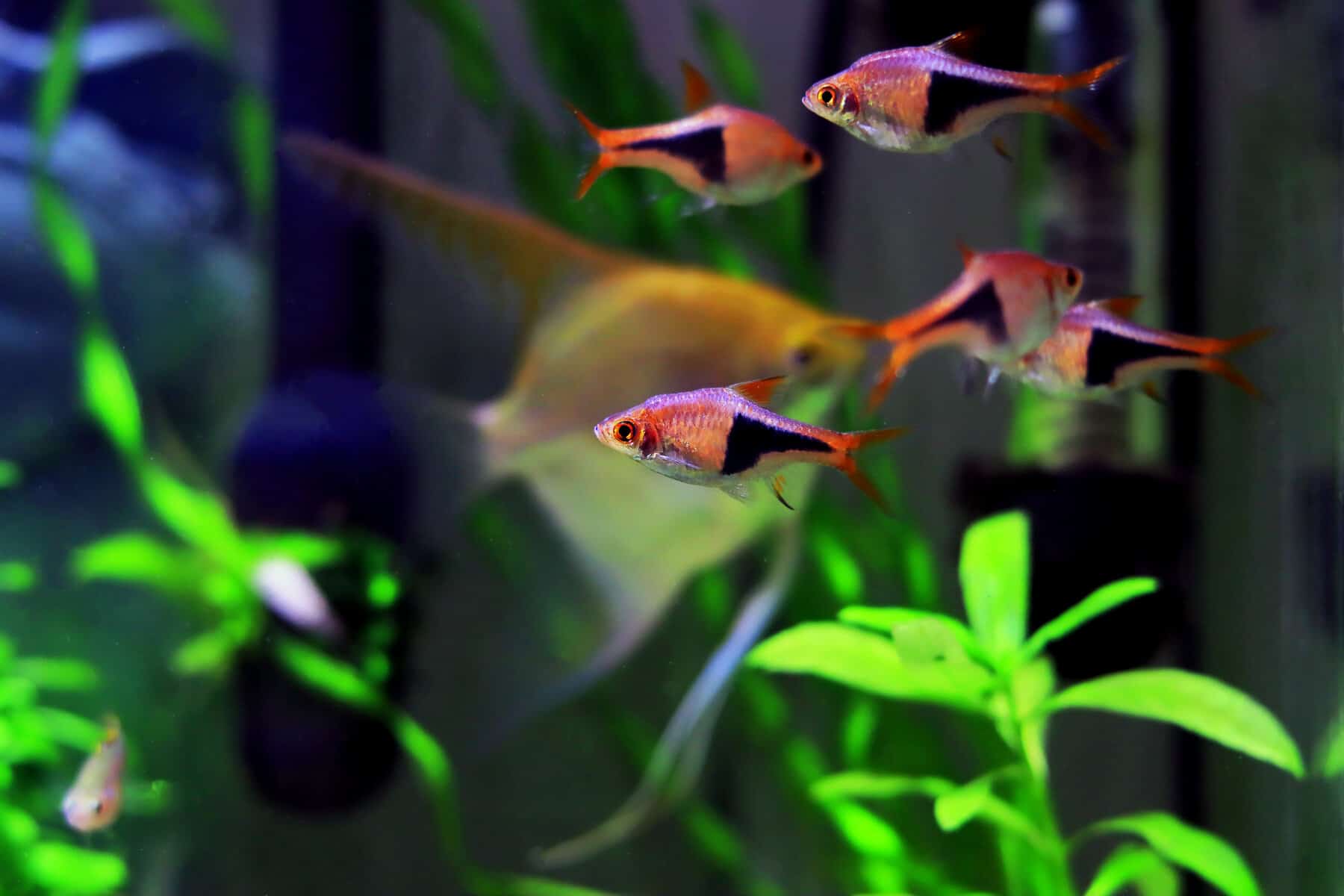
Fish in aquariums need currents to mimic natural environments, improve health, and maintain water quality. Creating a thriving aquatic habitat isn't just about decorative rocks and plants; it's about replicating the conditions that fish naturally thrive in. When we discuss why fish in aquariums need currents, we delve into a world where nature meets design, ensuring these vibrant creatures enjoy a healthy and stress-free existence. Join me as we explore how currents affect fish health, behavior, and overall environment.
Understanding the Role of Currents
Aquarium currents aren't merely for visual appeal; they're crucial to the well-being of fish. By mimicking the gentle flow of rivers and oceans, currents ensure that water movement meets several key needs:
- Oxygenation: Currents improve oxygen levels in water, which is vital for fish respiration.
- Waste Removal: They help distribute waste products to the filtration system, maintaining water purity.
- Physical Activity: Fish naturally swim against currents, encouraging physical fitness and reducing obesity.
Currents simulate the natural environment, keeping fish active and content while promoting the overall ecological balance.
Benefits of Currents for Aquarium Fish
Enhanced Oxygenation
Oxygen is essential for fish survival, and currents play a critical role in oxygenating the water. The surface agitation they create promotes gas exchange, ensuring a constant supply of fresh oxygen. This reduces the risk of suffocation and related health issues.
Balanced Ecosystem
Currents help distribute nutrients and waste evenly across the aquarium. This distribution prevents the buildup of harmful substances in any one area, keeping water quality stable and extending the life of the aquarium's filtration system.
Improved Behavior and Mental Health
Fish display more natural behaviors when currents are present. The natural instinct to swim against or with the flow reduces stress and creates a stimulating environment. This can prevent boredom and promote better overall health.
Regulation of Temperature Layers
Aquarium currents help mix different water layers, ensuring a uniform temperature. This is crucial because temperature fluctuations can be stressful to fish and harmful over time.
Encouraging Natural Feeding Habits
In the wild, fish often encounter their food floating in the current. Simulating this aspect encourages them to feed more naturally, enhancing their overall diet and nutritional uptake.
Practical Tips to Create Currents
Creating the right balance of currents requires some understanding and experimentation. Here’s how you can get started:
- Select the Right Equipment: Use a combination of water pumps and filters to mimic natural currents.
- Adjust Flow Strength: Ensure the current is not too strong, as this can cause stress. Aim for a gentle yet noticeable flow.
- Position Equipment Strategically: Place pumps to create a natural circular flow, similar to streams.
- Monitor Fish Reaction: Watch how fish respond. If they appear stressed or avoid certain areas, adjust flow patterns accordingly.
Tips from Experience
Having maintained aquariums for years, I've learned that patience is key when adjusting currents. Initially, my fish showed signs of stress, but small adjustments to flow speed and direction solved the issue. Always observe your aquatics closely – they'll tell you what they prefer!
Frequently Asked Questions About Aquarium Currents
Why are currents important in an aquarium?
Currents provide oxygenation, waste removal, and enrichment for fish, creating a healthy environment.
Can all fish handle strong currents?
No, some fish prefer gentle currents. Research your species to provide appropriate water movement.
How do I measure current strength?
You can use aquarium test kits to measure water flow or observe fish behavior for signs of distress.
Do plants benefit from currents?
Yes, currents can distribute nutrients and carbon dioxide, aiding plant growth while preventing algae buildup.
What if my fish avoid the current?
If fish avoid the current, consider reducing its strength or altering its path to avoid stress.
Conclusion
Creating the perfect aquarium environment requires understanding and patience, with currents playing a pivotal role. By enhancing oxygen levels, waste removal, and natural behavior, currents contribute to a thriving aquatic ecosystem. Test and adjust based on your observations to tailor the best conditions for your aquatic friends. Ready to explore deeper into creating ideal aquatic environments? Share your thoughts in the comments or subscribe for more insights!