The Nitrogen Cycle: Why Your Fish Keep Dying and How to Stop It
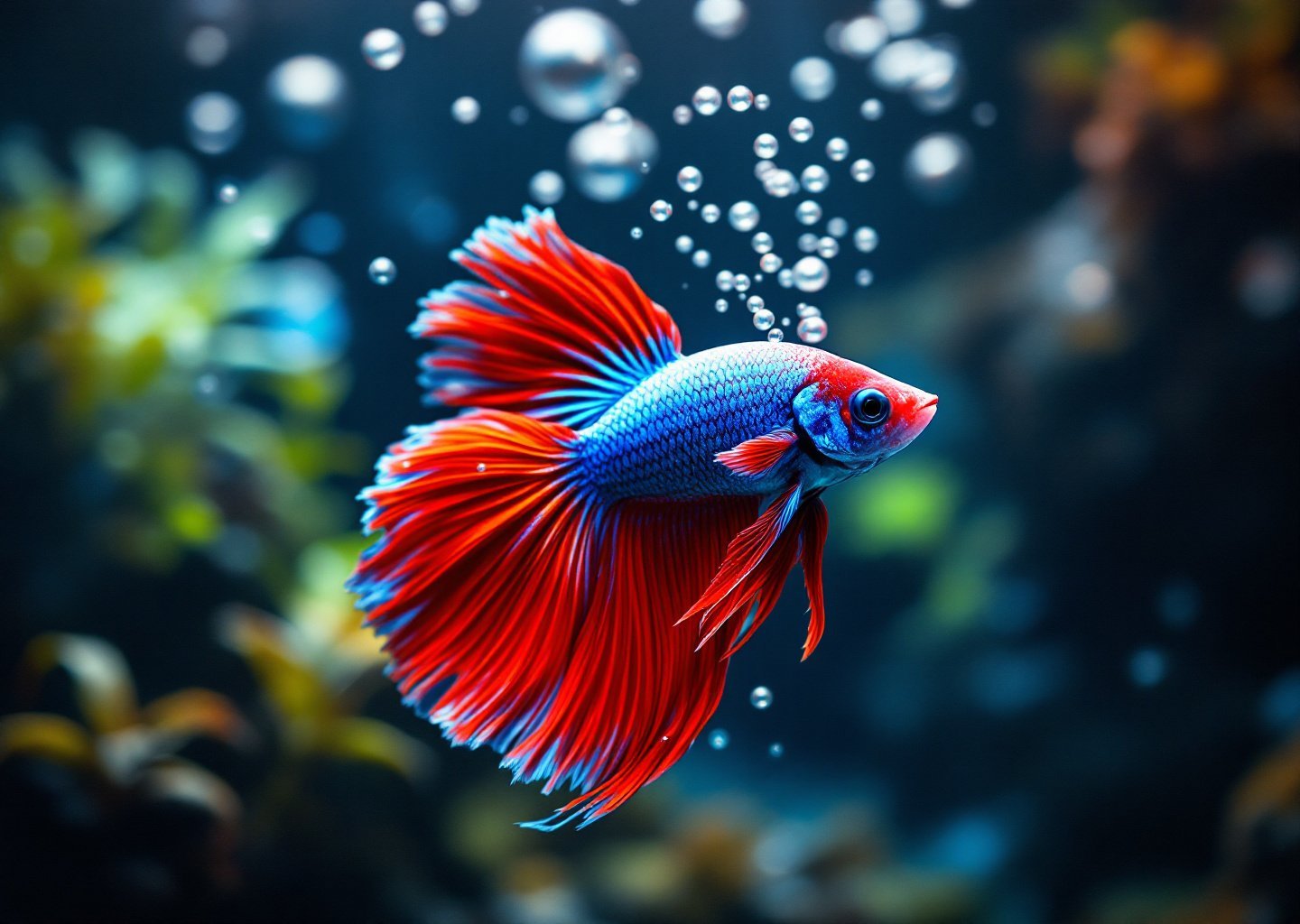
Every new aquarist walks straight into an invisible war. I did too. Back when I brought home Gerald the betta and proudly plopped him into an uncycled tank, that mistake cost him his life. Honestly? I still think about it every time I help beginners understand the nitrogen cycle. Have you ever wondered why fish keep dying in a new tank? This is the story that changes everything.
Look, almost every beginner who loses fish in the first month thinks they messed up feeding or water temperature. But here’s the thing: the real villain is almost always the same chemical process happening right under the surface. Once you understand what’s really going on, the fog lifts. You stop guessing. Your fish stop dying. Your tank becomes something you can actually trust.
Let me break down the nitrogen cycle using a story that helped me remember it. Picture your tank as a tiny world under attack. There are villains, heroes, and a timeline for the battle. Plus, there’s a simple way to win before you ever add fish. Sound interesting?
The Villains: Ammonia and Nitrite Explained
When beginners ask me why their fish look stressed, hover near the top, or clamp their fins, I always check one thing first: ammonia. This toxic invader sneaks in from fish waste, leftover food, and decaying plants. Pretty much anything organic. In a brand-new tank, ammonia builds up fast because nothing’s around to stop it.
Ammonia burns fish gills. Literally burns them. Once levels get high enough, your fish can’t breathe. Then comes nitrite, the second villain. Think of nitrite as ammonia’s ruthless second-in-command. It binds to hemoglobin in fish blood, forming methemoglobin, which can’t carry oxygen. Veterinarians call this condition brown blood disease, and fish struggle to get oxygen even when the water looks perfectly clear.
People are shocked when they see ammonia, nitrite, and nitrate level charts for the first time. Clear water doesn’t mean safe water. The villains are invisible. That’s exactly why beginners miss the warning signs.
The Heroes: Beneficial Bacteria and Where They Actually Live
Now for the good news. Your tank has heroes too. Beneficial bacteria, the kind that break down ammonia and nitrite, slowly form colonies and start fighting back. Most beginners think these bacteria live inside the water. Or worse, inside those replaceable filter cartridges that pet stores try to upsell every month.
They’re not there.
They live on surfaces. Rough ones. Filter sponge, ceramic media, gravel, rocks, and driftwood: all the tiny nooks in your hardscape. So if you toss your filter cartridge, you toss your army. Learned that the hard way during my second tank build. Water went cloudy, ammonia spiked, and I was basically back at square one. Fun times.
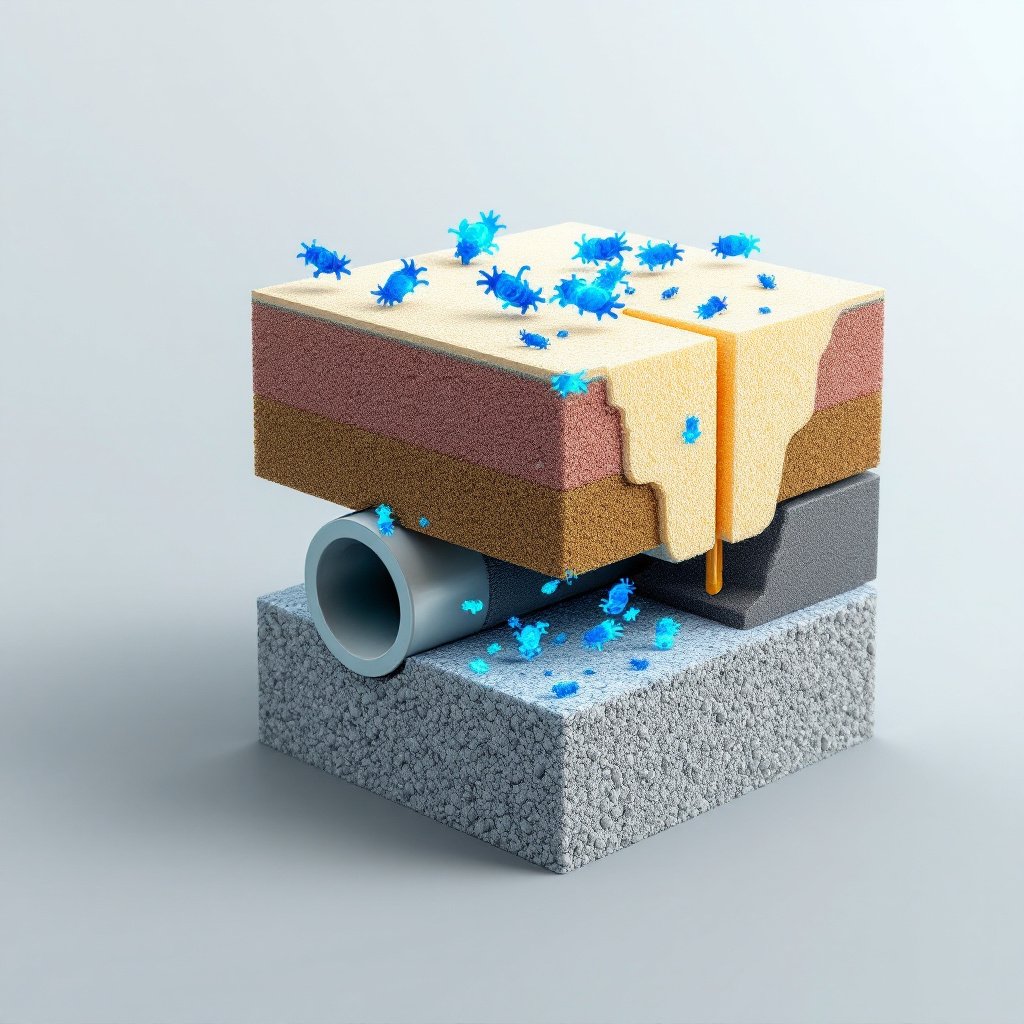
A bigger filter with more space for bacteria gives you a bigger hero squad. That’s why I love stuffing extra sponges and ceramic rings into every filter I own. Easiest way to seed a filter with beneficial bacteria.
The Battle Timeline: How Long Cycling Really Takes
People ask me how long cycling takes, and I wish I could give a tidy number. Most tanks take four to six weeks. Some finish in two. A few stubborn ones take eight or more. Temperature matters here, along with how much ammonia you add and whether you used seeded media from an established tank.
Here’s the basic story:
- Week 1: Ammonia spikes like a firestorm. No nitrite yet.
- Week 2: Nitrite appears. Ammonia starts to drop.
- Weeks 3 to 5: Nitrite stays high for a while. Totally normal.
- Weeks 4 to 6: Nitrate forms. Ammonia hits zero. Nitrite hits zero.
At this point, your heroes have taken the top of the hill and planted a flag. Battle’s basically won. A simple nitrogen cycle diagram shows ammonia going up first, then nitrite, then nitrate. Seeing that nitrite mountain for the first time? Makes everything click.
Old test strips and photos from my nano tanks help newbies see what real progress looks like. Works better than you’d think.
Fishless Cycling Step by Step: The Humane Method That Works Faster
Back when I was cycling my fourth nano tank, I finally tried the fishless cycling method. Wish I’d known about it earlier because it’s faster and way kinder to everyone involved.
What I actually do:
- Set up your tank, filter, and heater. Warm water speeds up bacteria growth.
- Add bottled ammonia. Don’t guess, measure it. You want about 2 ppm (parts per million).
- Test daily. Once ammonia drops to zero and nitrite appears, add a little more ammonia.
- Keep feeding the heroes until they can process ammonia and nitrite within 24 hours.
- Do a big water change to lower nitrates.
Can you process 2 ppm of ammonia in a day? Then your army’s battle-ready. That’s how to cycle an aquarium fast without fish. Way easier than chasing stressed fish around because you added them too early.
The 3 Tests That Prove Your Tank Is Ready
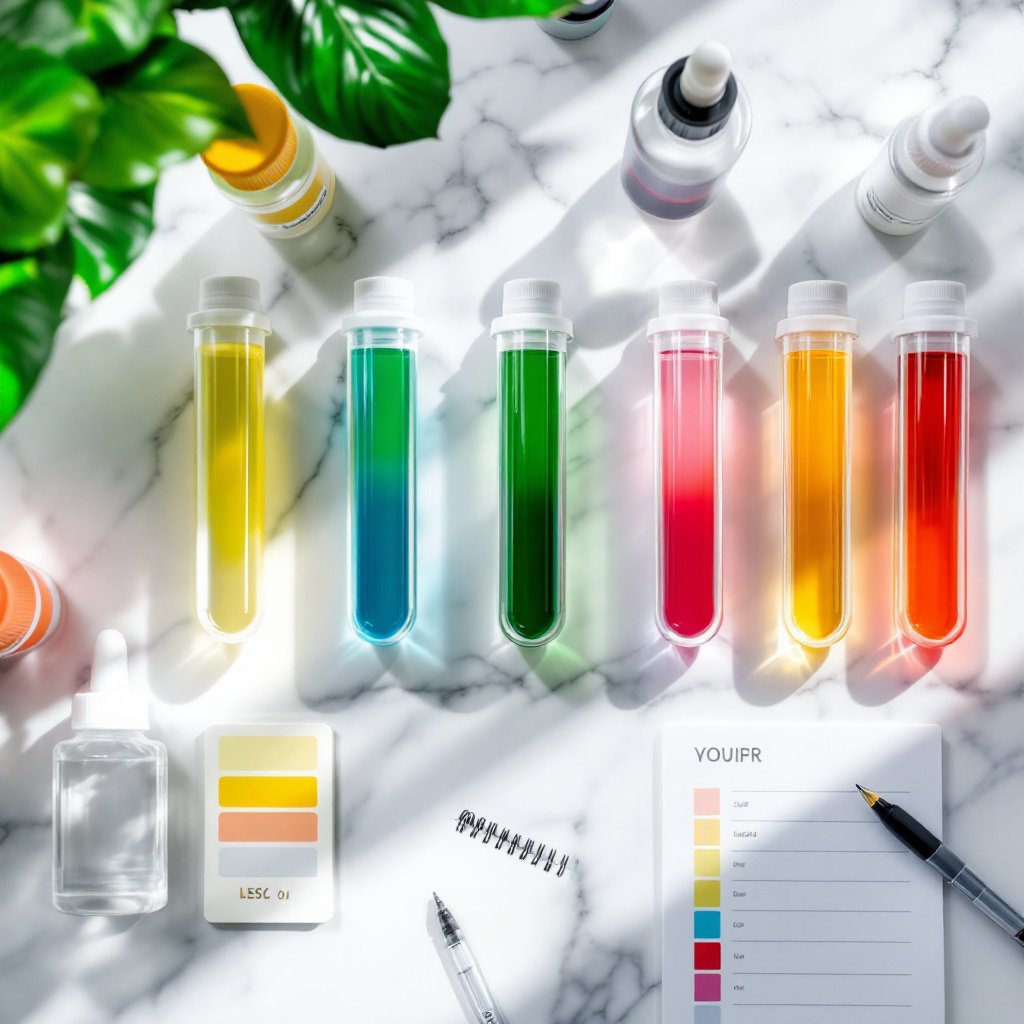
People ask me how to know if their tank is properly cycled. Check three things:
- Ammonia: must be zero.
- Nitrite: must be zero.
- Nitrate: must be present but not sky-high.
These three numbers are your green light. The moment ammonia and nitrite hit zero within 24 hours of adding ammonia, you can finally get fish. Not before. Guessing leads to heartbreak.
Emergency Protocols: Fixing Ammonia Spikes and Saving Fish in an Uncycled Tank
Sometimes the battle gets ugly. Maybe someone bought fish too early. Maybe a filter broke. Maybe you accidentally washed your filter media under tap water and wiped out your heroes. (Done that too. We don’t talk about it.)
Seeing an ammonia spike means fixing it becomes your top priority. Here’s what works:
- Big water changes, 50 percent or more.
- Add bottled bacteria.
- Stop feeding for a day or two.
- Increase aeration, since ammonia stress lowers oxygen uptake.
Fish already struggling? Move fast. Once helped a college student rescue their guppies this way, and it worked within hours. No one wants to lose fish because of a mistake that can be fixed with four gallons of fresh water.
Cycling is the secret skill that separates confident aquarists from frustrated beginners. Once you understand the nitrogen cycle as an invisible battle, every strange test result or cloudy water moment makes sense.
Your cycling checklist:
- Add ammonia and test regularly.
- Watch for ammonia to drop and nitrite to rise.
- Wait for both to hit zero.
- Confirm nitrate is present.
- Do a big water change.
On the day you add your fish, keep it small. Let your new heroes settle into their routine. Enjoy the moment, because you built a functioning ecosystem from scratch.
Want to keep learning? Check out topics like beginner aquarium setups or best nano tank filters.