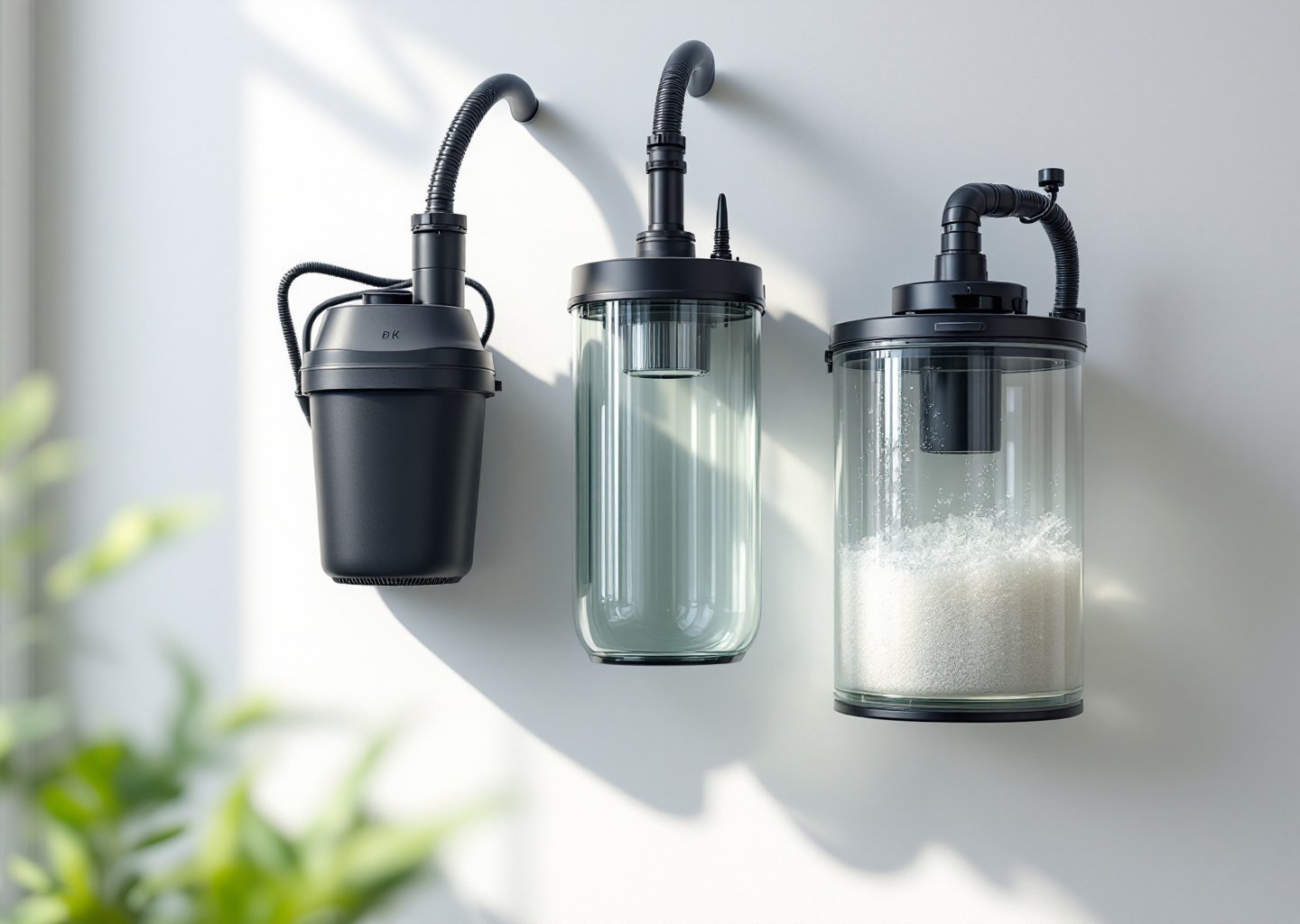
Best Aquarium Filter Types for Beginners: What Actually Works (And What’s a Waste of Money)
I wish someone had shaken my shoulders during my first month in the hobby and said: please don’t spend four hundred dollars on a canister filter for a ten-gallon tank. Yet I did exactly that, convinced by a mix of marketing claims and a very enthusiastic big-box store employee. That filter rattled louder than my fridge, clogged every other week, and absolutely blasted my poor guppies. So when beginners ask me about the best aquarium filter types for beginners, I always answer with the honesty I wish I had back then.
You’re about to save yourself money, stress, and quite possibly a fish or two. My goal is simple: help you understand what filters actually do, compare the common types without the sales fluff, and show you how to choose based on your tank size and your actual needs.
By the end, you’ll know which filter fits your setup, why your water flow matters more than fancy features, and how to avoid the mistakes I made early on. Want a beginner-friendly breakdown without buzzwords or hype? You’re in the right place.
Filtration 101: Biological vs. Mechanical vs. Chemical (What Your Fish Actually Need)
Forum veterans overcomplicate filtration so much that it scares beginners away. Here’s what you really need. Yes, this is the short version.
Biological Filtration
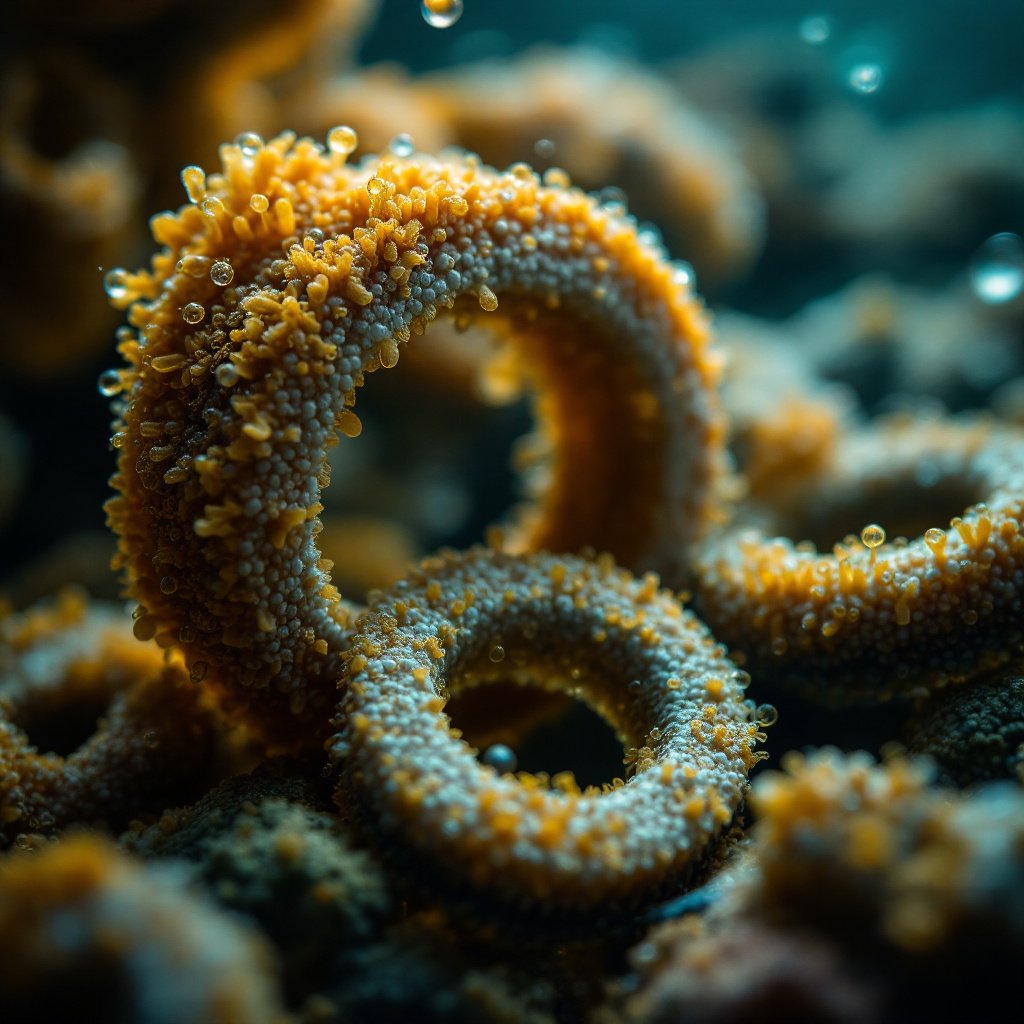
The part that keeps fish alive. Beneficial bacteria grow on media, sponges, gravel, basically anything with surface area. These colonies convert toxic ammonia to nitrite, then nitrite to nitrate. When I lost Gerald the betta in my uncycled tank, it was because I didn’t understand this.
Mechanical Filtration
Think of this as your filter’s vacuum. Pads, sponges, or floss trap debris like plant bits and food crumbs. It doesn’t magically make your water healthy, but it does make it look cleaner.
Chemical Filtration
Activated carbon, Purigen, resins: these polish water or remove specific pollutants. Helpful sometimes, unnecessary most of the time. Plenty of beginners burn money here.
One thing to remember above all else: biological filtration is the part that must stay stable. Everything else is optional.
The 5 Main Filter Types Explained: Sponge, HOB, Canister, Internal, and Undergravel
Sponge Filters
My apartment is a sponge filter jungle. Cheap, quiet, and perfect for nano tanks where you need gentle flow.
Pros:
– Great biological filtration
– Safe for shrimp and bettas
– Simple to clean
– Dirt cheap
Cons:
– Not the best for heavy mechanical polishing
– Needs an air pump and tubing
Got a dorm room or a small studio? The soft bubbling noise is surprisingly soothing.
Hang-On-Back Filters
HOB filters are the middle ground. Simple, effective, and great for most beginners.
Pros:
– Easy to maintain
– Good balance of mechanical and biological filtration
– Accessible media
– Hang on the rim, so you save space
Cons:
– Some are noisy
– Cartridge-based brands push you to replace media you shouldn’t replace
When comparing brands, a canister vs. hang-on-back filter comparison usually leans toward HOBs for smaller tanks under 30 gallons.
Canister Filters
Ah, the filter that haunts my budget. Canisters are powerful and quiet, but often overkill for first-time aquarists.
Pros:
– Tons of media capacity
– Great for larger tanks
– Strong mechanical polishing
– Can hide equipment under the stand
Cons:
– Pricey
– More involved maintenance
– Can create too much flow for small fish
– Heavy and awkward to clean
People ask how often you should clean a canister filter. My rule: every one to two months, unless it starts slowing down.
Internal Filters
These sit inside the tank. I used one in my bathroom shrimp tank for years.
Pros:
– Compact
– Cheap
– Decent flow control
– Good for low to medium bioloads
Cons:
– Takes up space inside the tank
– Usually limited media
– Harder to hide
Great choice for tanks without room for a HOB, like rimless cubes.
Undergravel Filters
Old school, but not useless.
Pros:
– Surprisingly strong biological capacity
– Budget-friendly
– Good oxygenation
Cons:
– Gravel vac maintenance is intense
– Not compatible with planted tanks
– Hard to troubleshoot
Into planted scapes like I am? Skip these. Roots and undergravel plates don’t get along.
Tank Size Cheat Sheet: Matching GPH to Your Setup
Flow rate is where beginners get overwhelmed. It doesn’t need to be complicated.
Here’s the quick method I teach people: your filter should turn your tank volume about four to six times per hour. That’s it. Your aquarium filter GPH calculator guide in one line.
Examples:
– 5-gallon tank: 20–30 GPH
– 10-gallon tank: 40–60 GPH
– 20-gallon tank: 80–120 GPH
Want to know how to calculate GPH for an aquarium filter yourself? Tank size multiplied by four to six equals your target flow range.
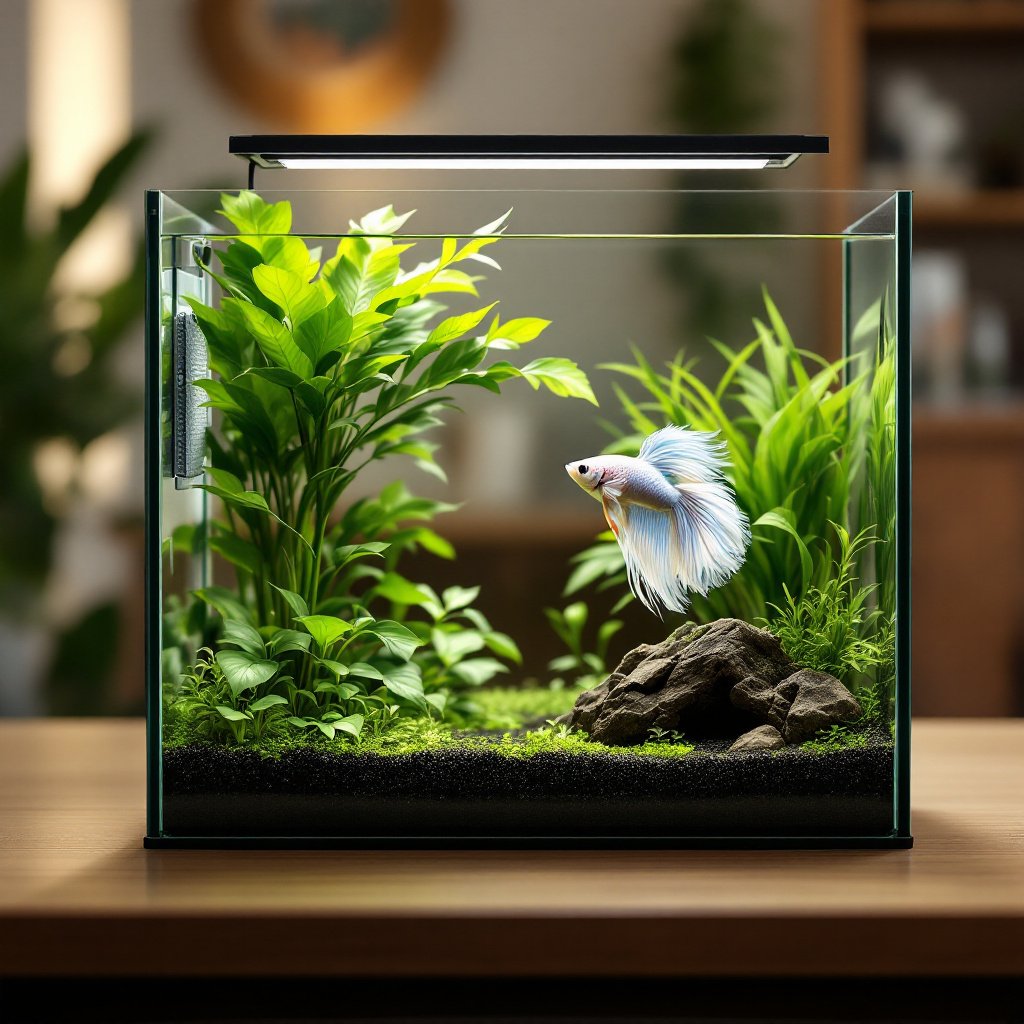
And yes, flow direction matters. Got a filter that’s too strong for betta fish? Solutions often involve baffling the outflow or switching to a sponge filter.
Head-to-Head Comparison: Which Filter Type Wins for Different Beginner Scenarios
I’ll keep this simple and opinionated, because beginners deserve clarity.
For bettas or shrimp:
Sponge filter wins. HOB with adjustable flow is second place.
For a simple community 10- or 20-gallon tank:
Quality HOB wins. Sponge combo works too.
For planted tanks:
– Under 20 gallons: HOB or sponge combo
– Larger tanks: canister
Looking for top-rated aquarium filters for planted tanks in 2024? Seek out models that don’t force cartridge changes.
For goldfish:
Canister wins. Honestly, these fish are living poop machines.
For a college dorm or shared spaces:
Sponge filter wins for quiet and price.
For crystal-clear display tanks:
Well-packed HOB or canister with fine floss gives you the best filter for crystal-clear aquarium water.
Common Beginner Mistakes: Overspending, Over-Cleaning, and the Too-Strong Problem
Spending too much on the filter:
You don’t need a two-hundred-dollar canister on a nano tank. I say this from personal regret.
Cleaning media until the bacteria die:
Never wash filter media under tap water. Swish it in tank water instead.
Replacing cartridges:
Cartridge systems tell you to replace media constantly. Ignore that. Cut out the floss and keep the plastic frame. Add your own sponge or biomedia.
Flow that blasts your fish:
Look for adjustable flow, spray bars, or softer outflow. Bettas absolutely hate being pushed around.
Too little media:
Single thin foam pad isn’t enough. The best filter media combination for fish tanks usually includes sponge plus biomedia like ceramic rings.
How to Pick Your First Filter (Without Overthinking It)
Choosing a filter gets way simpler when you break it into three steps.
Step 1: Match the filter type to your tank style. Nano or gentle species? Sponge. Typical 10- to 30-gallon tank? HOB. Larger planted tanks or goldfish? Canister.
Step 2: Match the flow to your tank size. Use the four-to-six-times turnover rule.
Step 3: Choose a model that lets you control media. Avoid cartridge-only systems.
Here are my honest starter picks for beginners this year:
– Sponge: Aquarium Co-Op sponge filter
– HOB: Seachem Tidal for adjustable flow and strong media capacity
– Canister: Oase Biomaster for easier cleaning
– Internal: Fluval U series for tight spaces
Want to go deeper? I wrote about matching filters to tank size tank size guide and broke down the canister vs. hang-on-back debate filter comparison in separate posts.
Filters should make your aquarium easier, not stressful. Pick something simple, stable, and quiet, and spend the rest of your budget on plants and good hardscape. I promise your fish will appreciate it.